
Does Rewilding Need Taking Back?
January 7, 2026
Must rewilding be “taken back” from forces that corrupt its meaning? A few years ago, I contributed an aborted series to Rewilding Earth that suggested as much, but I would not take that stance today. I would simply encourage the rewilding movement to directly and honestly address the appearance of conflict between North American and European rewilding practices.
It is, of course, a fool’s errand to stifle linguistic change. The Rewilding Institute does not have a trademark on the word “rewilding.” Even if it did, that would not preclude semantic broadening; just ask 3M about “Post-it” or Kimberly-Clark about “Kleenex.” Moreover, conservation projects deserve to be assessed on their merits, not their label. Personally, I am happy to see turf lawn converted to pollinator habitat, no matter the signage. At the same time, the Rewilding Institute has no obligation to broaden its own mission to promote every last thing someone calls “rewilding.”
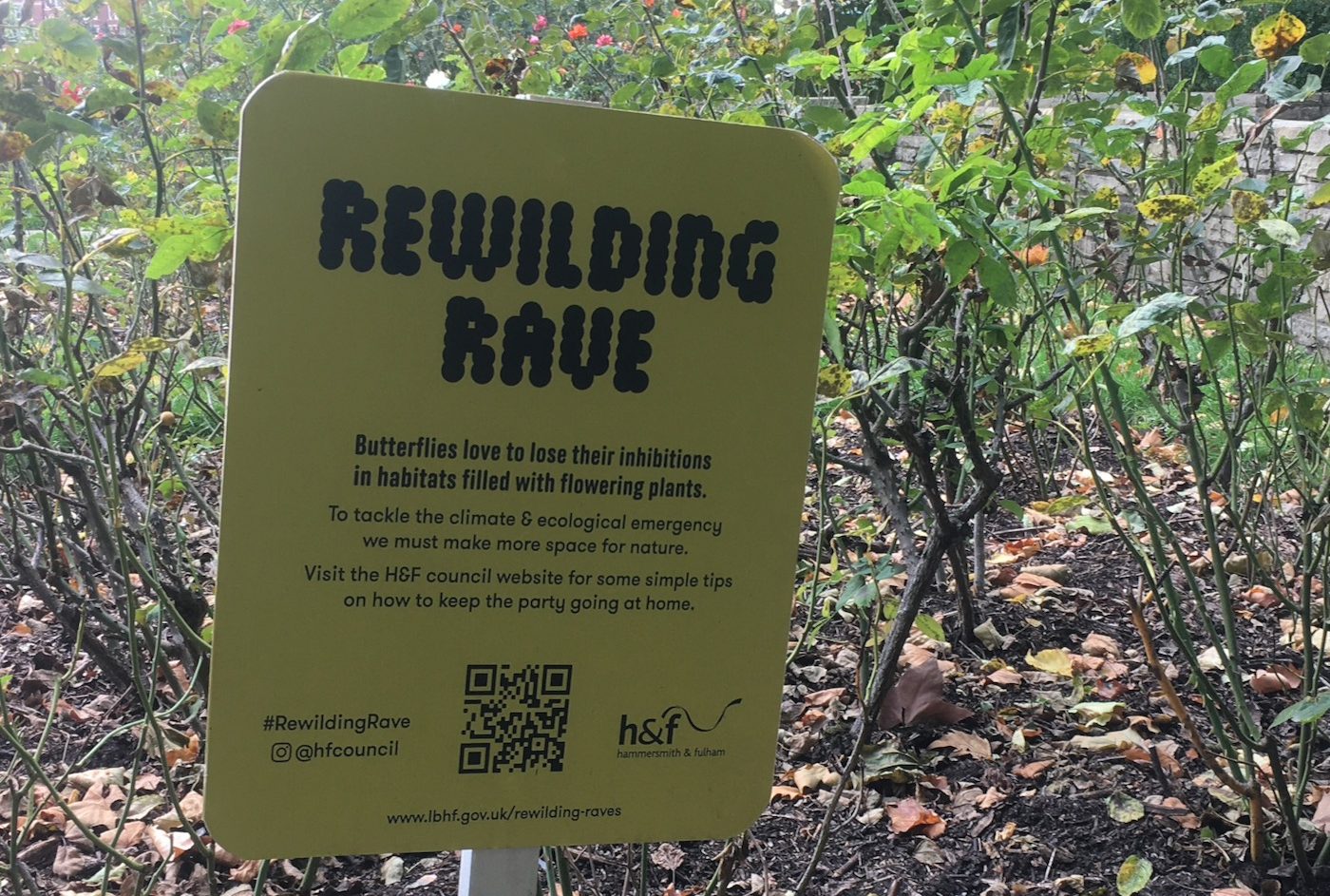
Semantic Broadening example (small London park)
My concern, however, had not been this general semantic broadening but, specifically, certain influential uses of the term in Europe. Let me recall two conspicuous examples:
1. The Dutch experiment at Oostvaardersplassen – in which hundreds of Konik ponies and Heck cattle were released, without shelter or supplemental feed, to graze year-round on an undeveloped, 22-square-mile polder – is commonly cited as Europe’s flagship “rewilding” project in both popular and academic literature. Infamously, many of these ponies and cows starved to death during the harsh winter of 2005, prompting protests from animal rights activists.
When I first began to explore literature about rewilding, I was perplexed to repeatedly encounter references to Oostvaardersplassen, sometimes only a few breaths after mentions of the seminal work of Dave Foreman or Michael Soulé and Reed Noss’ influential call for “Core, Corridors, and Carnivores.” Strikingly, there were no large carnivores in the Oostvaardersplassen, but I had understood proponents of rewilding to be motivated to prevent overgrazing by reintroducing apex predators to landscapes. Oostvaardersplassen seemed more closely reminiscent of Leopold’s famed description in “Thinking Like a Mountain” of the herd “dead of its own too-much.”
Furthermore, Oostvaardersplassen was no one-off, but an influence for other European “rewilding” projects, such as Denmark’s Molslaboratoriet, where Galloway cattle and Exmoor ponies have been introduced into the landscape to graze without supplemental feed (again to criticism from animal rights proponents).
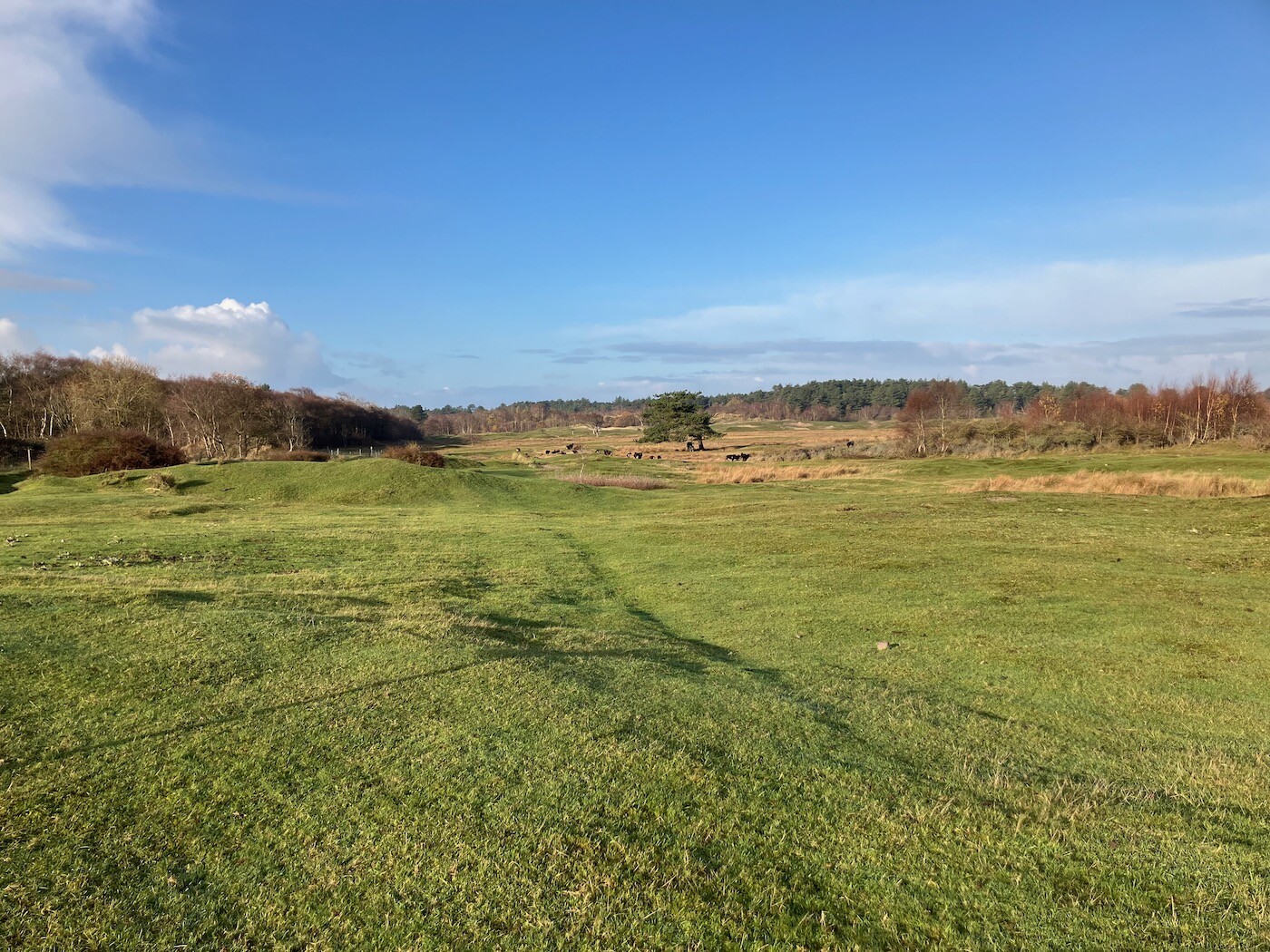
Landscape maintained by conservation grazers (The Netherlands)
2. Rewilding Europe was founded in part with the goal of reintroducing large grazing animals to abandoned farmland to prevent afforestation[1]. This motivation stood in stark contrast to the North American rewilding movement’s celebration of the natural afforestation of abandoned farmland in the northeastern U.S., often regarded as an example of nature’s ability to heal itself. I had implicitly taken for granted that a European rewilding movement would also celebrate the spontaneous afforestation of abandoned land, considering that much of the European continent had also been deforested for agriculture. I presume that most people in my position would have felt flummoxed.
* * *
Several years ago, I had hoped to involve myself with rewilding out of support for the cause and especially the ecocentric motivations of groups like the Rewilding Institute. However, the unease over the unaddressed asymmetries preyed on me. My heart was in Europe, my background American. Did I need to relinquish the “trees good, cows bad” mantra that was nearly as ingrained in my worldview as “two and two is four,” or was nature conservation in Europe somehow woefully astray?
It felt difficult to endorse “rewilding” without answers, and yet no one in rewilding circles appeared alarmed by these seeming inconsistencies. Not wanting to appear ignorant, I kept silent about my concerns. When I finally did speak out, it was only after I had garnered moral support from rewilding’s purist faction, and it came at a cost; in pitching my questions as critical rather than ignorant, I neglected my own value of epistemic modesty, which I regret.
Perhaps the Rewilding Institute and Rewilding Europe fundamentally agree on both the facts of ecology and the goals of rewilding, and the differences – striking as they appear – are mere artifacts of geographical differences. But what if the differences in practice do stem from conflicting beliefs or values? (I do suspect there are some, e.g., about appropriate baselines or the appropriate role for “self-willed” nature.) In that case, I believe that a critical but civil exchange of ideas is owed not only to the public but also, and most importantly, to wild nature.
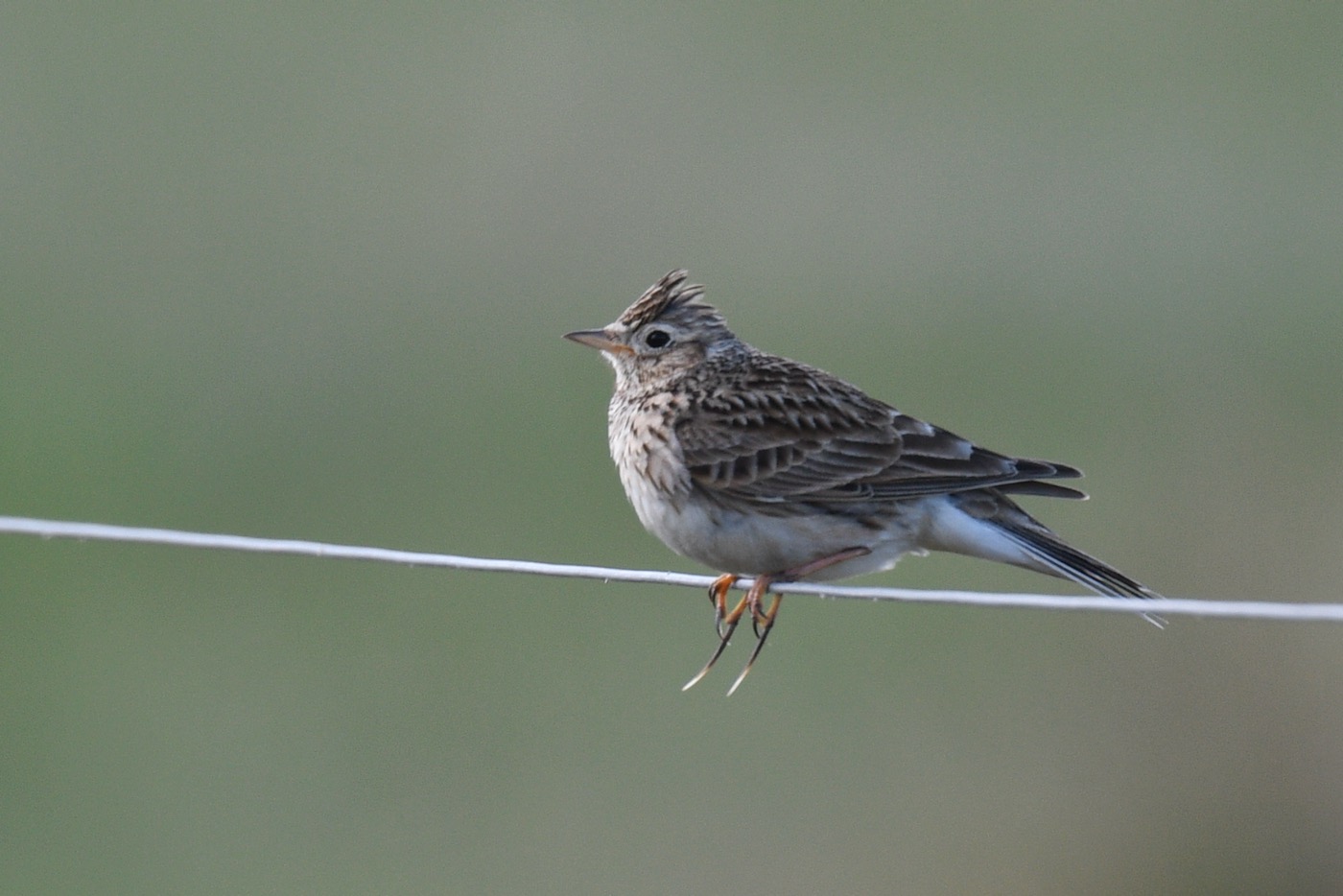
Eurasian skylark (a bird species reliant on open landscapes like farmland)
Instead of banging the table about the sanctity of “3Cs” rewilding, I will suggest to adopt an extra “4Cs” [I had intended to insert a “7Cs” / “seven seas” pun here, but I have been informed that the rewilding movement has already exceeded the relevant number of Cs]: The 4Cs of Civil Discourse developed by the Ohio State University’s Center for Ethics and Human Values.
“Be Charitable” – When someone supports “rewilding” by any definition, it is reasonable to assume that they are genuinely interested in the protection of wild nature, even if their focus and emphasis might differ from ours. It is also reasonable to assume that the practices they support derive from a good-faith effort to act according to the best available science.
“Be Curious” – The existence of different practices and traditions of conservation and rewilding is an invitation to learn. What are their rationales? What do they think about our entrenched practices and assumptions? We should be willing to revise our own thinking.
“Be Conscientious” – We might sometimes disagree with one another, but let’s not be jerks.
“Be Constructive” – The point of disagreement is not to let factions compete to win the upper hand in a debate, but to make progress toward a more-than-human world that thrives globally.
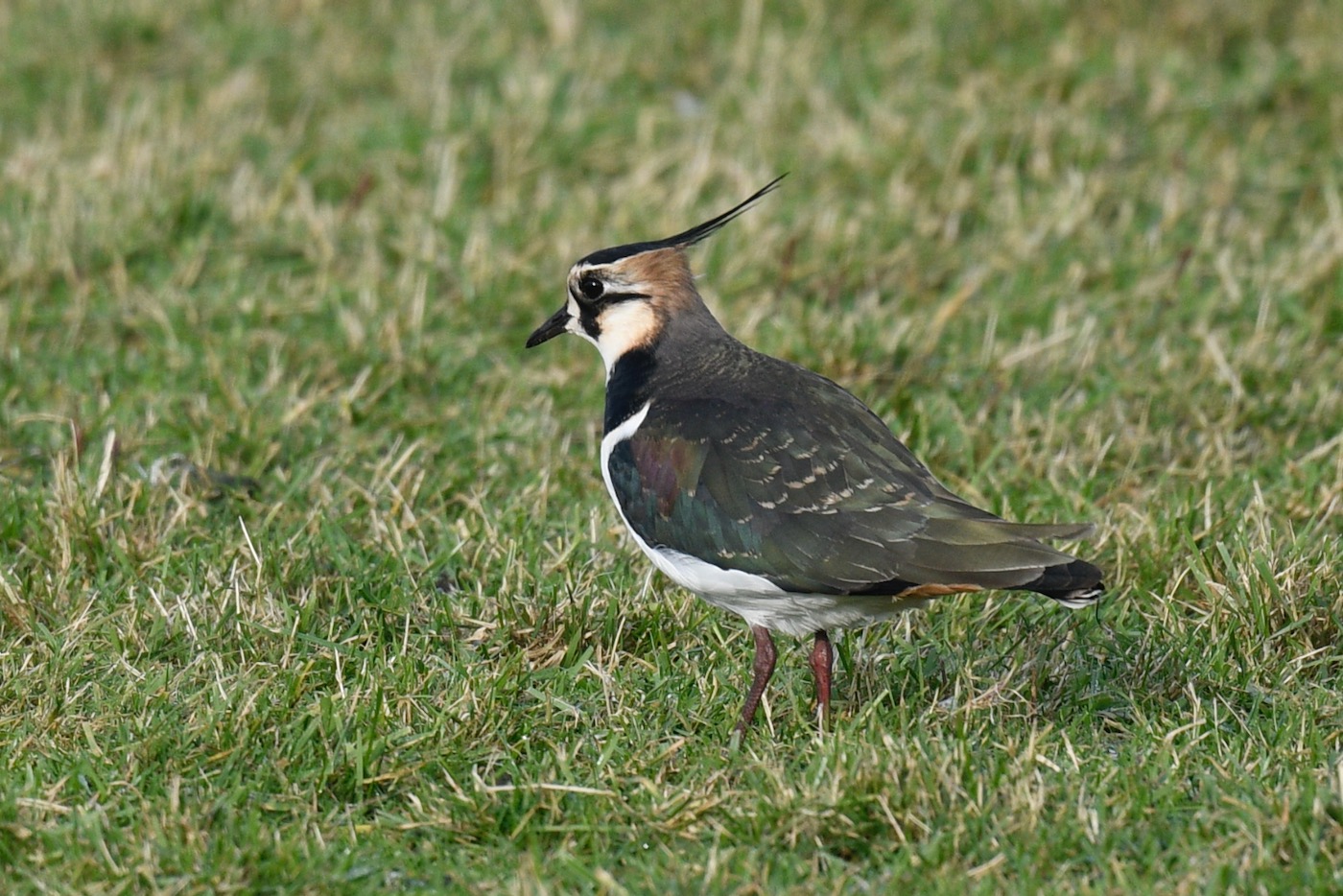
Lapwing (another European bird species known for utilizing farmland)
[1] See, e.g., “Rewilding in a European Context” by Frans Schepers and Paul Jepson. Note also that this motivation is common to other grazer-focused European rewilding projects. In the case of Oostvaardersplassen, for example, the grazers were introduced to prevent the polder from succeeding to forest, to preserve habitat suitable for birds who were beginning to use the area.
All photos by Kate McFarland.
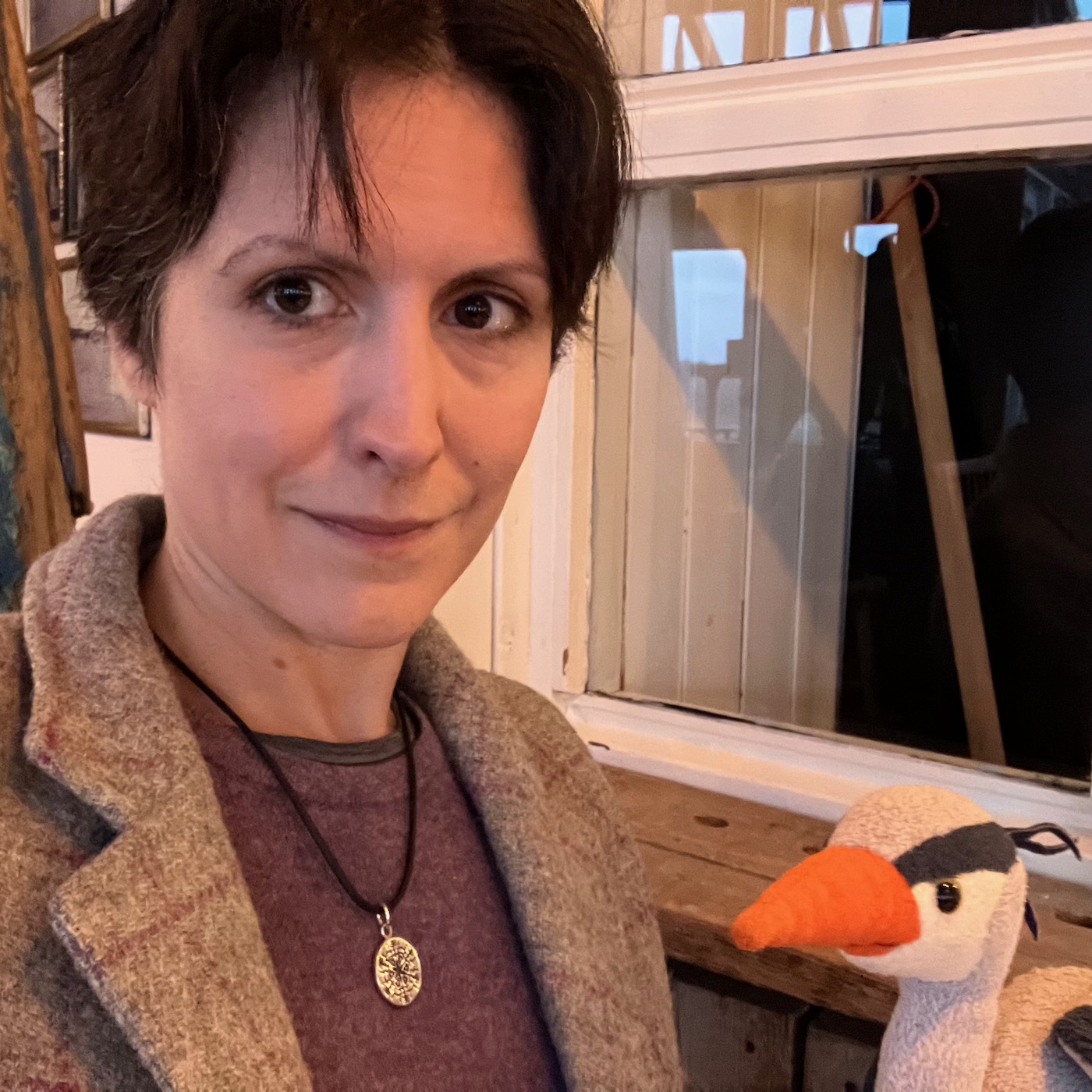
Kate McFarland is a former board member of The Rewilding Institute.
Kate’s rewilding-related interests have subsequently landed upon feathered fauna and flyway conservation, with a side interest in the absence of noise and light pollution as an element of wildness.
At present, Kate volunteers remotely for the Bird City Network, World Migratory Bird Day, and Quiet Parks International. When she’s in downtown Columbus during migration season, she also volunteers with Ohio Lights Out to look for window collision victims. She has also been involved with DarkSky International.
For her day job, Kate works for the Center for Ethics and Human Values at the Ohio State University as a sort of liaison between the academic and bureaucratic realms.
Kate is also committed to a lifestyle of walking and cycling – never driving – due to its mental and physical health benefits. Once in a while, she writes about her experiences of seeking wildness, birds, quiet, and darkness as a non-driver on her blog Nonmotorized Trails, or posts about them on Bluesky.
image sources
- Landscape with Grazers: Photo by Kate McFarland
- Eurasian skylark (a bird species reliant on agroecosystems): Photo by Kate McFarland