
Wolves in 2026: Threats from Washington, DC; Hope in the Northeast
February 13, 2026
Really big news often bears repeating. That was certainly the case with the 2021 killing of a wolf in Otsego County, New York — an event that generated many questions and much anticipation about the implications of wolf presence in the state.
Genetic material obtained by the Northeast Ecological Recovery Society confirmed that the 85-pound animal was a wild wolf of Great Lakes origin. In 2023, the New York Department of Environmental Conservation (DEC) conducted more testing and finally admitted the same fact. Then this past December, scientists released an in-depth genetic analysis, concluding that the Otsego wolf is part of a “growing body of evidence” that wolves are dispersing long distances from core breeding areas to the Northeast.
Such evidence includes more than a dozen documented cases of wolves living in the Northeast. Since these cases involve only wolves that have died and been identified, it is likely that many more wolves are currently roaming the region and contributing to resilient, balanced ecosystems — just as they were born to do.

Wolf shot in Cooperstown, NY at the New York State Museum (Photo by Joseph Butera)
Federal lawbreaking
Wolf and wilderness advocates were hoping that 2026 would bring a hard look at the current and potential presence of wolves in the Northeast by the U.S. Fish and Wildlife Service (FWS). The agency was under a court order to develop a National Wolf Recovery Plan by the end of 2025, following years of federal stonewalling on plans for places where wolf recovery is just beginning.
Adherence to the law isn’t a hallmark of the current administration. Instead of following the court order, FWS decided that the gray wolf should be altogether removed from federal listing under the Endangered Species Act (ESA). Fortunately, the Center for Biological Diversity promptly sued FWS over its refusal to follow the law.
In the meantime, some members of Congress are actively pursuing wolf-hating agendas with legislation to remove both gray and Mexican wolves from listing under the ESA. In the coming weeks and months, the public will have to speak out loudly and often to stop elected officials from turning back the clock on wolf recovery. Delisting could result in the killing of wolves wherever they have managed to regain a foothold after centuries of persecution, while decreasing the chance that wolves will recover in the Northeast.

Northeastern canids (Courtesy of Maine Wolf Coalition)
State planning
The arrival of 2026 marks the deadline for many states to submit State Wildlife Action Plans (SWAPs) to FWS in order to be eligible for federal wildlife protection and recovery funding. This once-a-decade process requires state wildlife agencies to determine their lists of Species of Greatest Conservation Need (SGCN) — a status that guides allocation of available resources and the development of protection and recovery strategies.
Project Coyote, Rewilding Institute, and partners in the Northeast Wolf Recovery Alliance have been pushing Northeastern states to classify wolves as SGCN, based on their critical ecological role and likelihood that they are already in the region or soon could be. To date, New Hampshire has done so, and Maine plans to. Vermont is poised to put the wolf on a short “watch list” of species that could require monitoring and protection in the future. New York has stubbornly refused to list the wolf in its draft plan.

The many faces of mixed canids in the Northeast. (Courtesy of Maine Wolf Coalition)
Wolves and coyotes doing what comes naturally
As human legislators, agencies, advocates, and scientists debate and fight over how to manage and classify wolves, the animals continue to move forward with their lives wherever they are able to survive. For tens of thousands of years, this has included genetic mixing with coyotes — an evolutionary trend that is playing out most obviously in the Northeast.
A newly released book, Wild Canis of Maine, published by Eastern Coyote / Coywolf Research and based on years of motion-triggered camera footage, showcases what is really happening deep in that state’s forests. As wolves and coyotes wander and encounter each other, the result is a population of animals with diverse genes, colors, shapes, and sizes. This remarkable display of resilience and persistence provides hope that wolves, coyotes, and all carnivores will make the Northeast ecologically healthier and wilder long into the future.
Join Project Coyote’s e-team to receive updates and take action to protect coyotes, wolves, and other carnivores. Stay informed about threats to wolves and take action to protect them at Team Wolf.
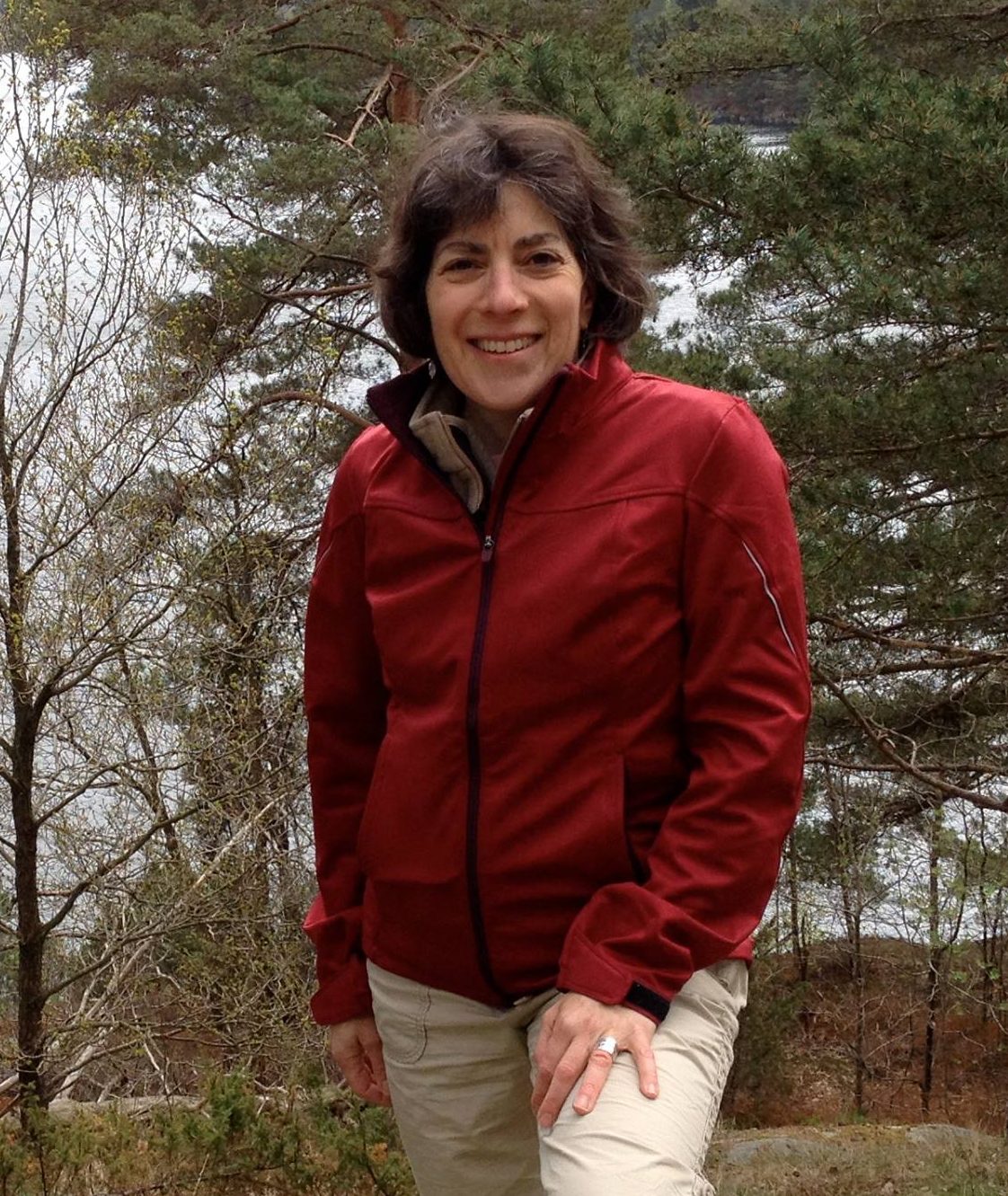
Nadia Steinzor is an environmental consultant with 25 years of experience in policy analysis, research, writing, and communications. She has developed and managed projects to investigate the oil and gas industry’s impact on the climate and communities, secure governmental protections for air, water, land, and wildlife, and engage the public in advocacy efforts. Nadia worked with the Rewilding Institute to ensure that wolves and other carnivores thrive and roam in the Northeast and beyond, and is now Carnivore Conservation Director for Project Coyote. Nadia holds an M.S. in environmental policy from the Bard College Center for Environmental Policy.