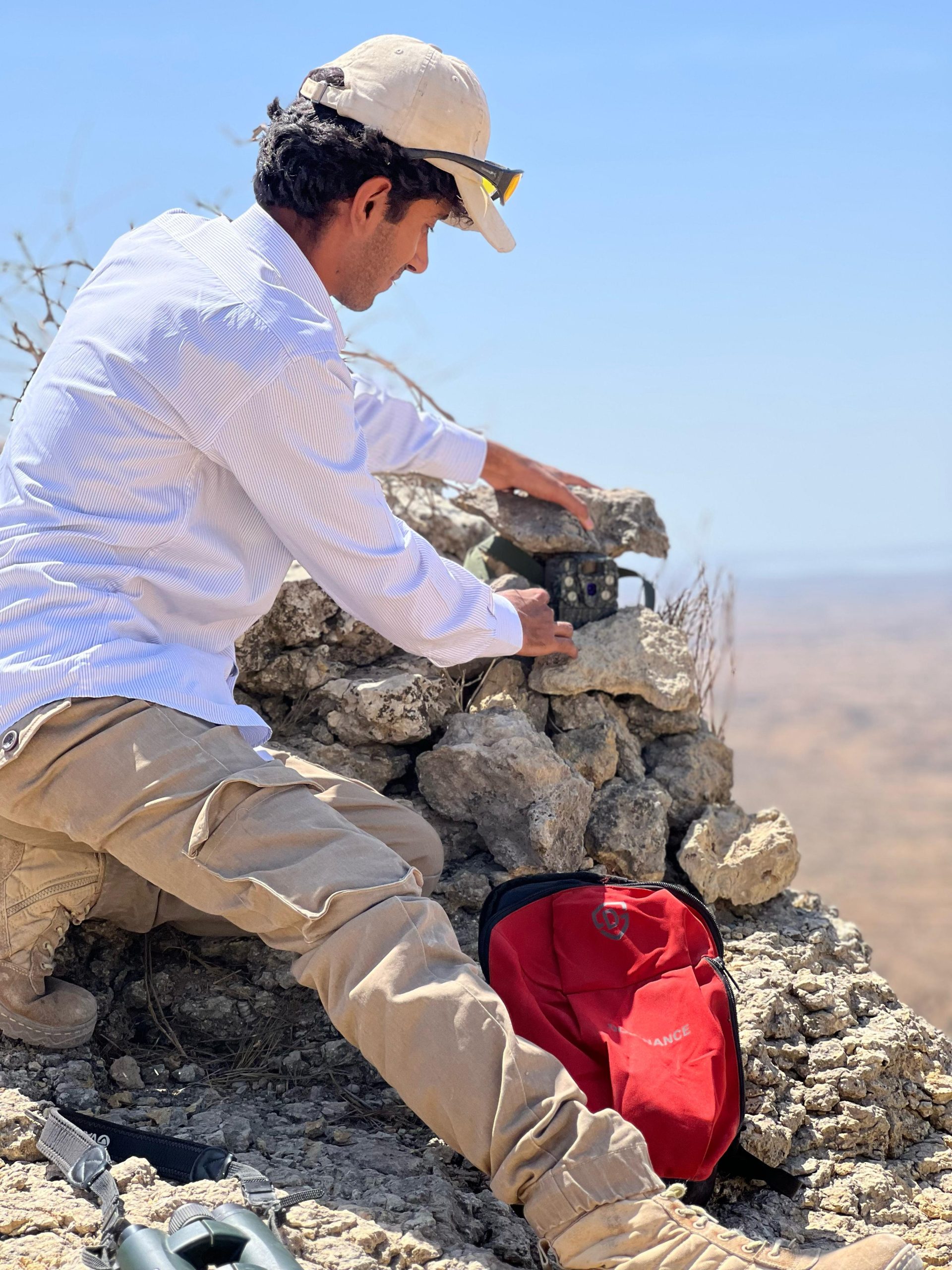
About the Indus Fishing Cat Project
June 26, 2025
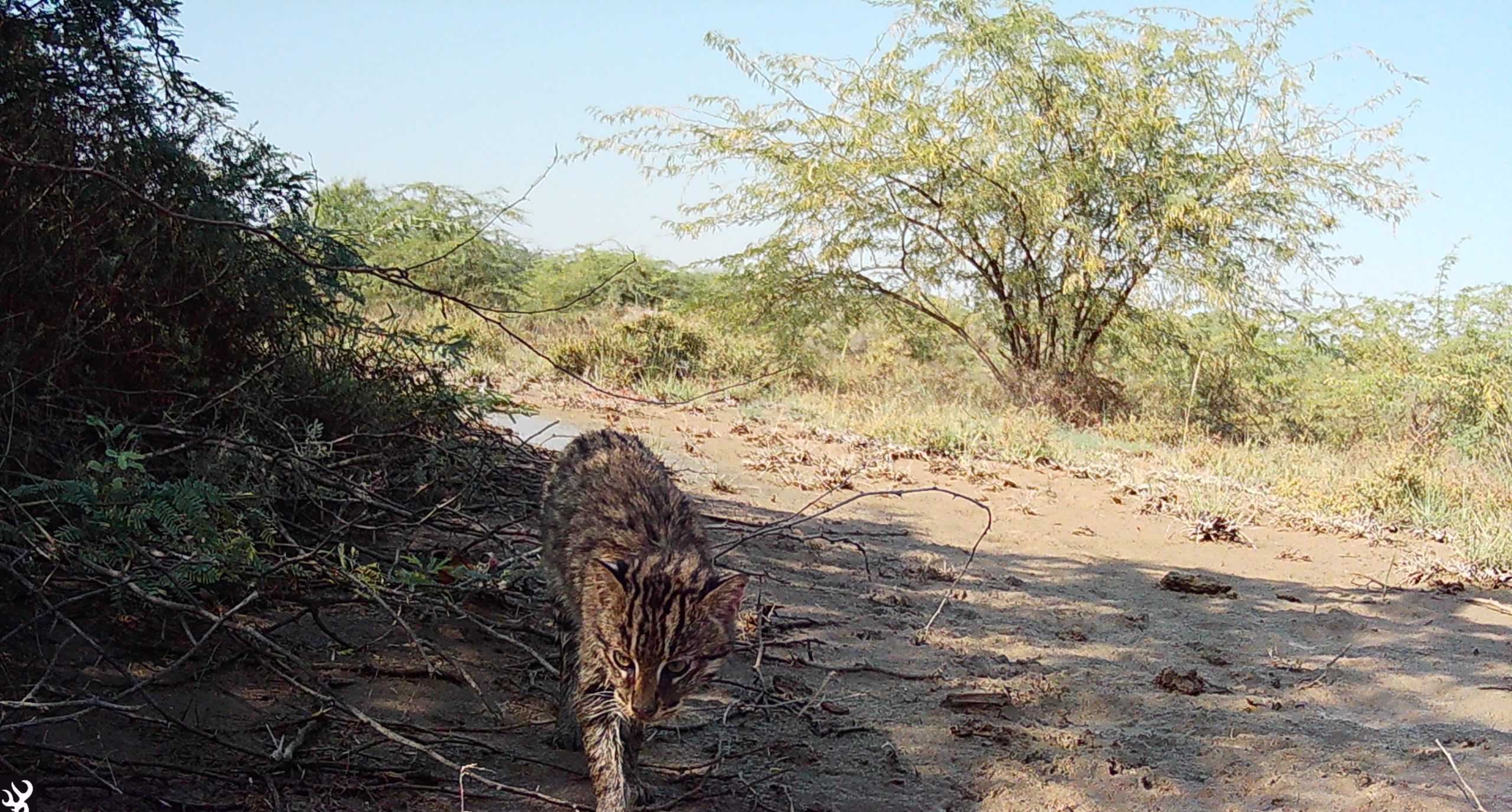
Motion-triggered camera photo of Fishing Cat © Indus Fishing Cat Project
The Indus Fishing Cat Project (IFCP) was founded in February 2021, formally as a partner project of the Fishing Cat Working Group (FCWG). The FCWG soon formalised into the Fishing Cat Conservation Alliance (FCCA).
The initial goal behind this project was to change the existing belief that fishing cats (Prionailurus viverrinus) in Pakistan (which marks the western-most area of the species’ distribution) are extinct, as well as to conserve this little-known wetland specialist species. Being a member of most local wildlife enthusiast groups, I gradually realized that the species was not only present but was probably much more widespread than previously believed. Thus, to change the global perspective, I reached out to the first organisation I found that was working on fishing cat research and conservation. Not only were they interested in the little information that I had collected, but they were also very keen on initiating a conservation project in Pakistan, which was the last remaining gap in knowledge in terms of the global fishing cat picture. (There is often a big gap in local research and knowledge in Pakistan when it comes to species distributions extending into the country for many biological forms found here, due to a lack of targeted studies and relevant institutions.) Jim Sanderson, President of the Fishing Cat Working Group, was a big push to make this happen, for which I will be forever grateful.
Our work began properly in the summer of 2021 when we started collecting important distribution data across Sindh Province, as well as with field visits to Punjab Province, where the species was historically recorded. Soon, with the help of motion-triggered cameras, we were able to photograph fishing cats for the first time in May 2021 at Haleji Lake Wildlife Sanctuary, thanks to the help of Rasheed Khan, then Sanctuary Warden, and Ashraf Qazi. Javed Maher, the Chief Conservator of Sindh Wildlife Department, was instrumental in our success since he was very supportive of letting me study and follow this species. Thus, we began work on the goal to document the species’ presence across as many sites as possible.
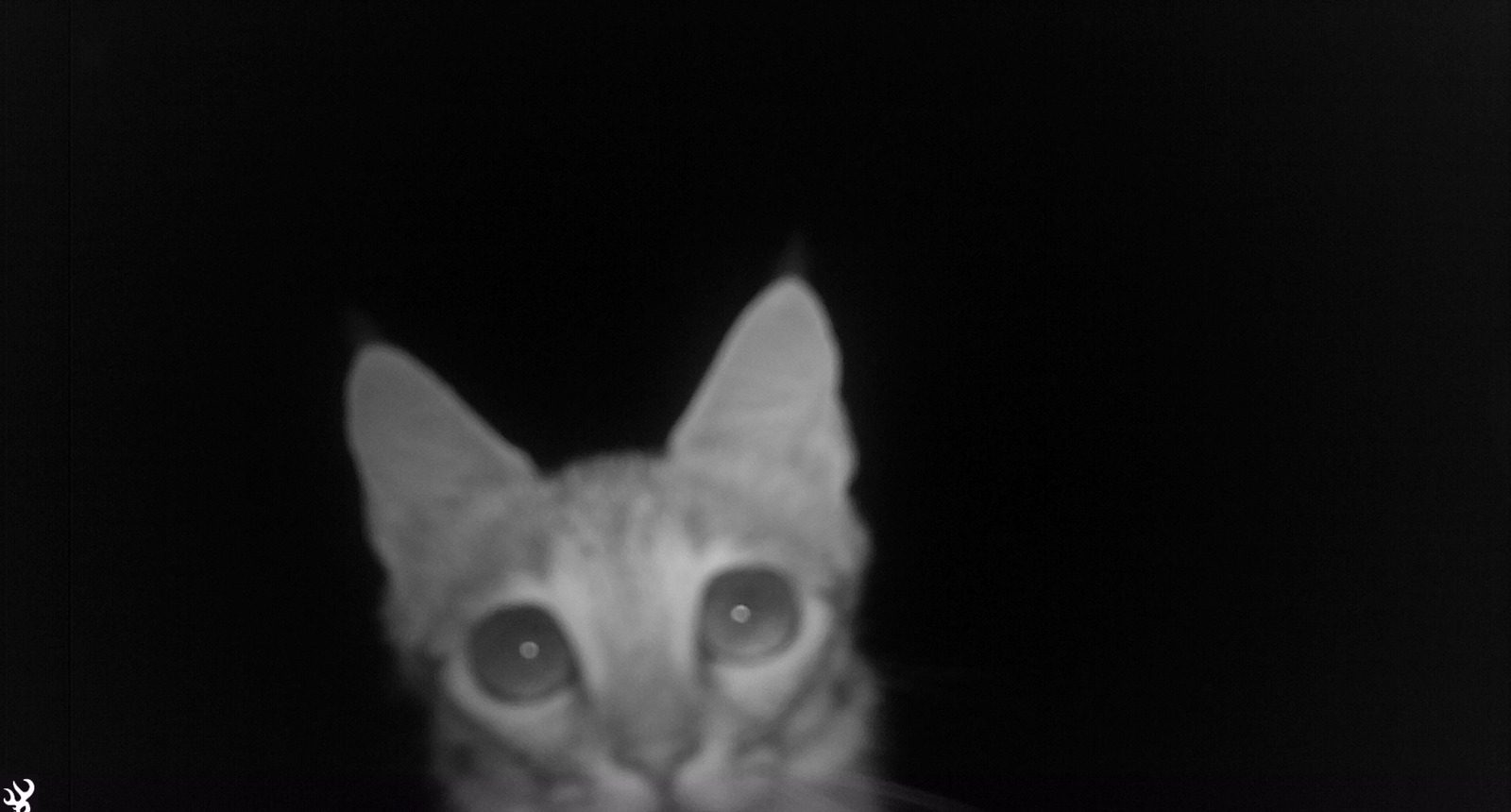
Motion-triggered camera photo of Asiatic Wild Cat © Indus Fishing Cat Project
We went a bit northwards, toward one of the largest lakes in Pakistan: Keenjhar Lake. In its backwaters lies a community-protected wildlife reserve, which is a very rare example in the country of a self-managed, no-hunting area. Prior to my visit to Community Reserve Zone Jhimpir in July 2021, memories of an earlier visit in the winter of 2019 for birdwatching were very fond. The Palari community, the local tribe that lives in the area and with whom we collaborated for our field camera work, was led by Kamal Palari and our local scientist, Haroon Palari, who knew where to place the cameras instinctively, and thus, we found our first fishing cats in the surrounding riparian zone of their village in the first camera session and our first kitten!
Throughout these initiatives, I had the solid support structure of my mentor, Mirza Naim Beg, who was a guiding light for my birdwatching and overall wildlife interest journey. Thanks to him, I was introduced to much of the wildlife-friendly community of Karachi and the greater Pakistan region, who were fundamental in collecting important local distribution data.
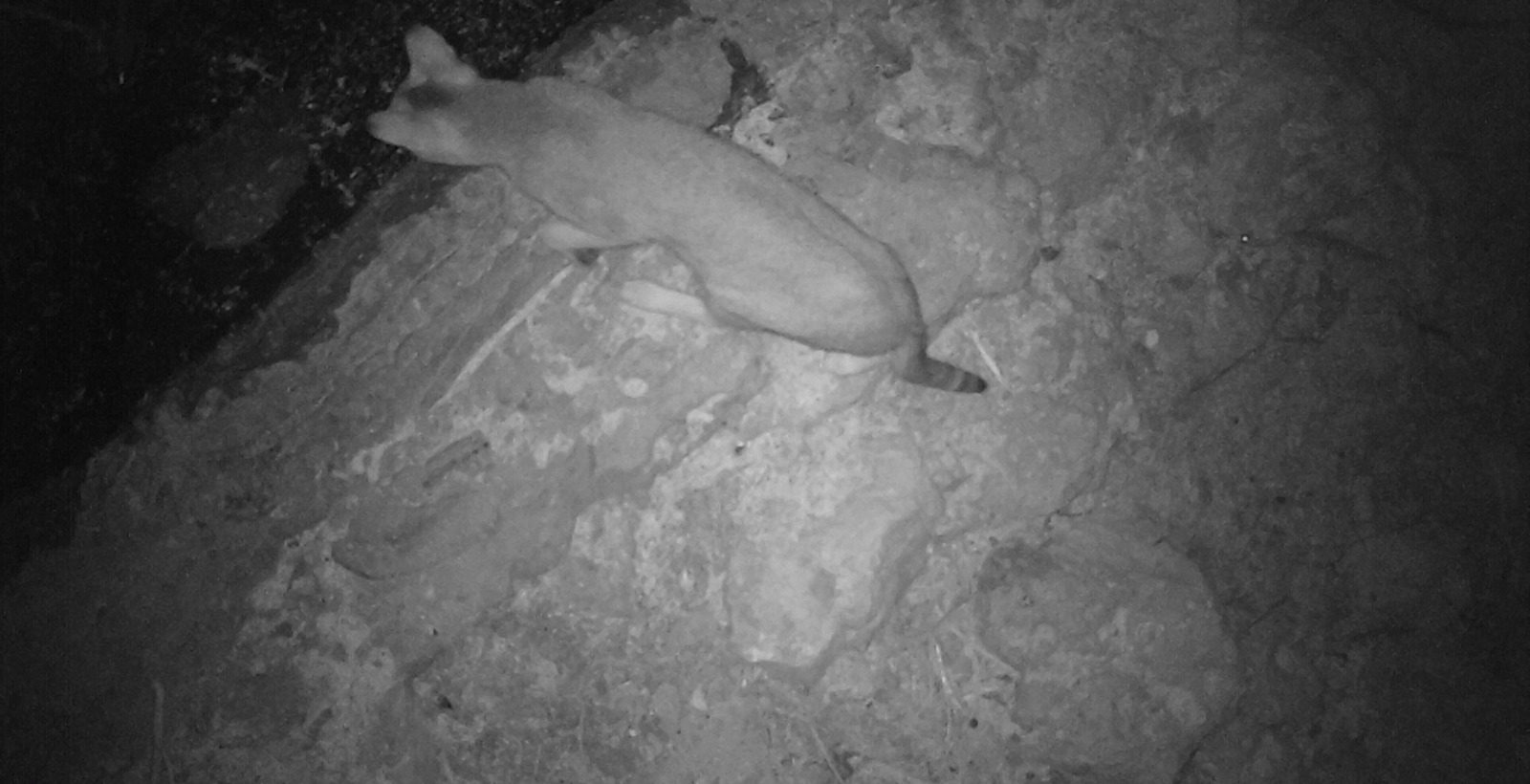
Motion-triggered camera photo of Jungle Cat © Indus Fishing Cat Project
In the fall of 2021, I initiated field camera work in Kirthar National Park in collaboration with Zohaib Ahmed, another local fellow enthusiast. Kirthar National Park does not have fishing cats but is home to jungle cats (Felis chaus), Asiatic wildcats (Felis lybica ornata), and the rarest of the small wildcats in Sindh Province: caracals (Caracal caracal), which are nearly mythical in recent times, hinting at their rapid destruction. The reason to work at Kirthar was to document the much-needed mammalian diversity in the park, which had never properly been done before. This was the case for most of the important zoogeographical areas of southern Pakistan. Soon, we had the first motion-triggered camera photos of Asiatic wildcats from Pakistan. However, documentation of a species can only benefit the conservation of the species so much. The documentation enables important global data discussion, aids in making data-driven decisions, and raises the species’ profiles.
We soon began deciphering the individual threats to each species of small wild cat in Pakistan. There are eight species of small wild cat in Pakistan, with another possible ninth that warrants a study and confirmation, and each is as little-known as the other. It is astonishing how little we know about such a diverse and elusive group of animals. Thus, this was the ideology that motivated us to study each species to get a better understanding of their threats and needs for survival in this part of their global distribution, and ultimately work toward the conservation of these remarkable cats in Pakistan. Since our primary base of operations was in Sindh Province, we soon mapped out the threats of fishing cats, jungle cats, Asiatic wildcats, and caracals. The project was called the Indus Fishing Cat Project, but after just one year of its creation, it was already way more than that.
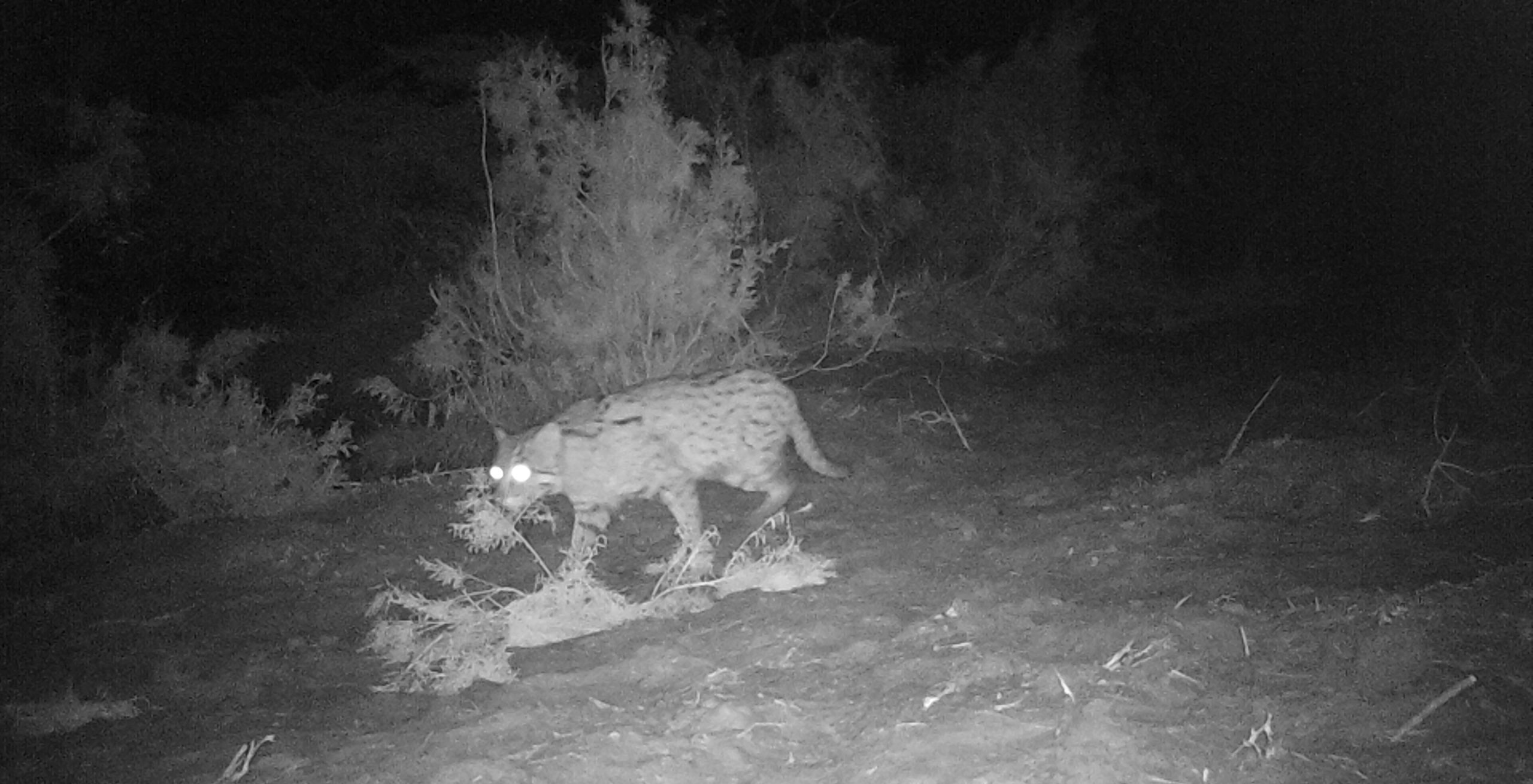
Motion-triggered camera photo of Fishing Cat © Indus Fishing Cat Project
In Pakistan, the biggest threats to fishing cats are habitat loss due to the shrinkage and reclamation of wetlands, retaliatory killings, and the pet trade. Most deaths reported of fishing cats are due to fish farmers killing the cats that hunt the easy catch of carp and cultivated fish in ponds. I once did the math, and the losses incurred by fishing cats have little-to-no impact on the profit ratio of most farms. The real challenge lies in our general lack of tolerance or understanding toward wildlife, which often stems from fear, unfamiliarity, or a history of conflict.
A threat that is rather unique to Pakistan is the pet trade issue. Pakistanis love keeping fishing cats as pets, which is almost unheard of across the rest of their global distribution in South and Southeast Asia. Since there is weak infrastructure for the implementation of wildlife policies and laws here, the cats are sometimes openly sold in local and online markets. Fortunately, there has been a decline in ads for fishing cat sales as pets ever since our project started.
Sometimes, fishing cats consume poultry and very rarely goats as well. In such cases, our goal is to provide sturdy chicken coops to farmers who can hardly afford to keep a straw house. Once you remove the motive to incur damage to wildlife, i.e, in this case, provide a secure place for their chickens, most individuals are expected not to harm their neighboring wildlife.
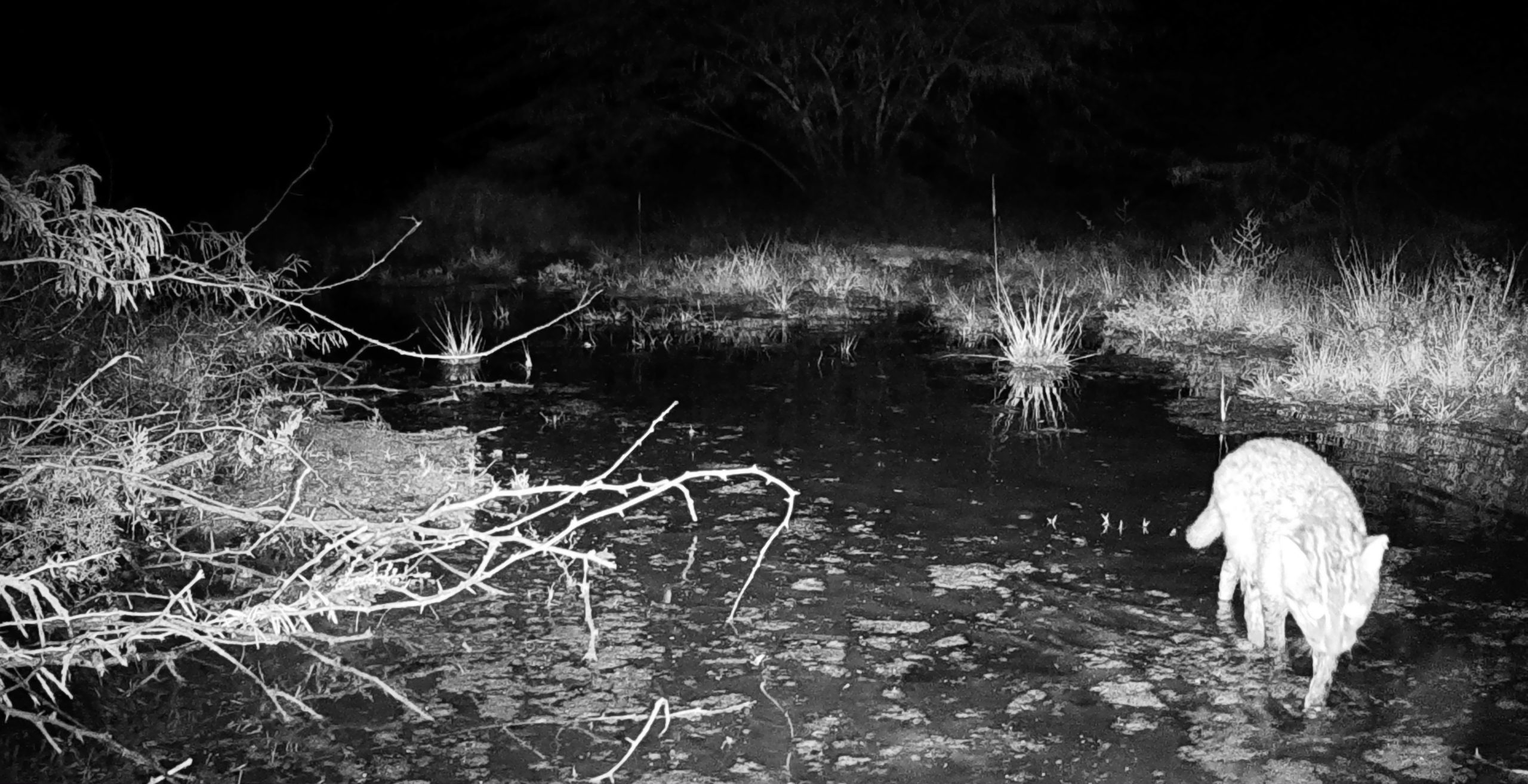
Motion-triggered camera photo of Fishing Cat © Indus Fishing Cat Project
Fishing cats in Pakistan are primarily found in Sindh Province, which marks the lower Indus Floodplain region. Our surveys revealed that the species was present in almost every water feature, natural or non-natural, that was connected to the Indus River. Turns out that the species has benefited from the great expanse of the canal network that branches out from the Indus River. Pakistan has the largest irrigated network in the world. However, what was and is still very interesting is that fishing cats are virtually unknown outside of Sindh Province. A 2020 record of a litter discovered in a reed bed in the seepage zone of a canal from Jaffarabad district in Balochistan Province marked the westernmost global distribution record. This was only possible because of the canal, which was flooded by the waters of the Indus River.
However, the historical records of Punjab Province were still of much interest since there was no recurrence of any records. The only historical records were from the northeastern border region in riverine areas of River Ravi and Sutlej. Despite our questionnaire surveys, there was no plausible lead except sightings reported from a remote wetland region near the Indian Border, where fieldwork permissions are nearly impossible. This area is of great interest since this is also the site where gharials (Gavialis gangeticus) returned to Pakistan after being extinct, thanks to the Indian reintroduction efforts upstream of the Beas River. Wherever fishing cats occur, they are usually known in the local community as the cat that steals fish from the fish farm or sits on the canal embankments at night. We have not yet heard of any report that is verifiable from Punjab Province. Since the species occurs almost as far north as the city of Kashmore in Sindh, which is right on the border of Punjab Province, I would not be surprised if the species is reported from the southern riparian stretch of the Punjab Province.
Fast forward to 2025, we are now a full-fledged network of projects with many initiatives that are related directly and indirectly to small wildcats and their habitat conservation. Our work has expanded to all eight species of small wildcats of Pakistan. We were even successful in starting a project on sand cats (Felis margarita) who live only near the western border of Pakistan with Afghanistan in the remote Kharan Desert region. That is something I only ever dreamt of! We are doing everything from establishing nurseries for rare and declining native tree species to school sessions in remote and untouched valleys. It is a great passion project that I am very grateful for having been supported by such brilliant and enthusiastic individuals.
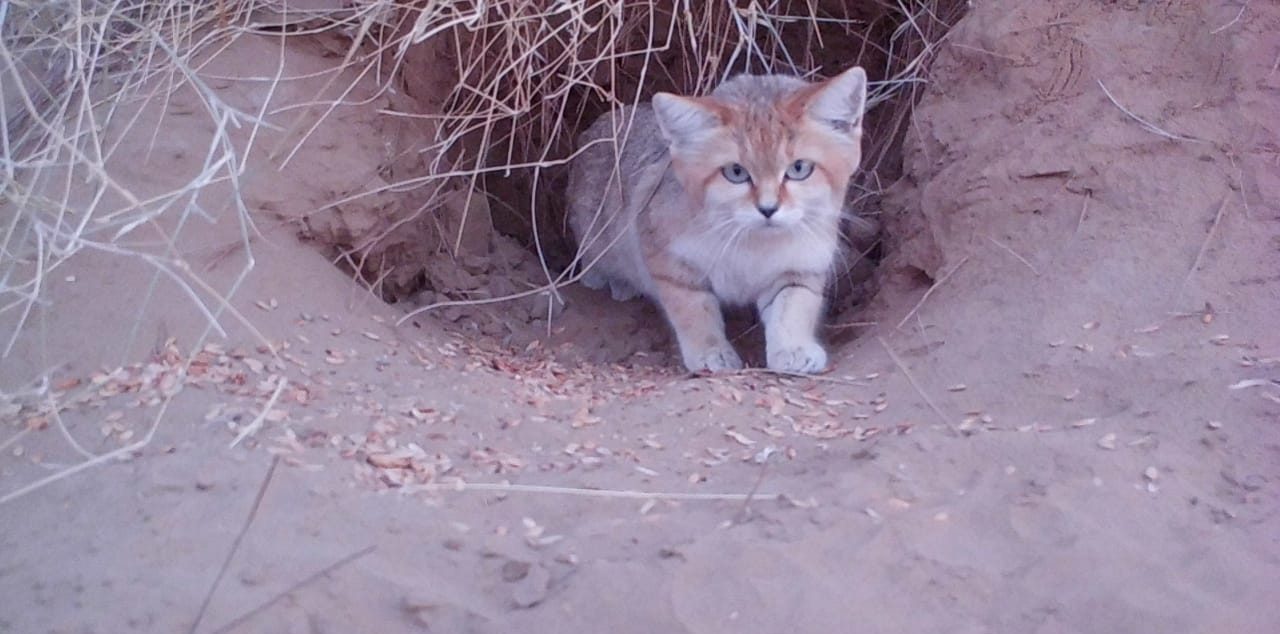
Motion-triggered camera photo of Sand Cat © Indus Fishing Cat Project
The Indus Fishing Cat Project is one of the passion projects from which many other important initiatives are blooming. Many of our team members and friends of our work had a great desire to work on many generally ignored wildlife species in the country of every biological form, from Lepidoptera to birds to plants, and more. With such passionate individuals, bodies like Rewilding Indus came into being, which is our dream that enables us to give as much attention to an endemic butterfly from the Southern Steppe Plains as snow leopard conservation receives. We have already undertaken many initiatives, but we are currently unregistered, which is in the process of being changed.
Learn more:
Check out Zafeer’s podcast episode: Episode 152: Wild Cat Rewilding In Pakistan