
Corridors in the Sky: A Call for Aerial Connectivity
January 16, 2026

The protection of corridors for wildlife movement has been a central tenet of rewilding since Dave Foreman coined the term. Although the importance of connectivity is commonly associated with the needs of large mammals, Foreman himself pointed out in Rewilding North America that the first wildlife corridors to receive legal protection in the U.S. were flyways for migratory birds, thanks to the Migratory Bird Treaty Act (MBTA) of 1918 and subsequent establishment of National Wildlife Refuges “for the purpose of protecting stepping-stone habitats for migrating birds, especially ducks and geese” (see the reprinted chapter from Rewilding North America, “Selecting and Designing Protected Areas: The Early Days”).
Despite this long history of flyway conservation, aerial habitat has received a relative lack of attention from conservationists. The International Union for Conservation of Nature (IUCN) does not even classify airspace as a habitat type, despite urging from aeroconservationists. Meanwhile, migratory birds are suffering weakened protection in North America due to the Trump administration’s renewed assaults on the MBTA and other conservation legislation. The rewilding movement must not ignore our flying friends in its demands for habitat connectivity. While I will focus on birds here, it is important to keep in mind that aerial habitat also matters for bats, insects, and wind-dispersed seeds, pollen, spores, and other aero-plankton.
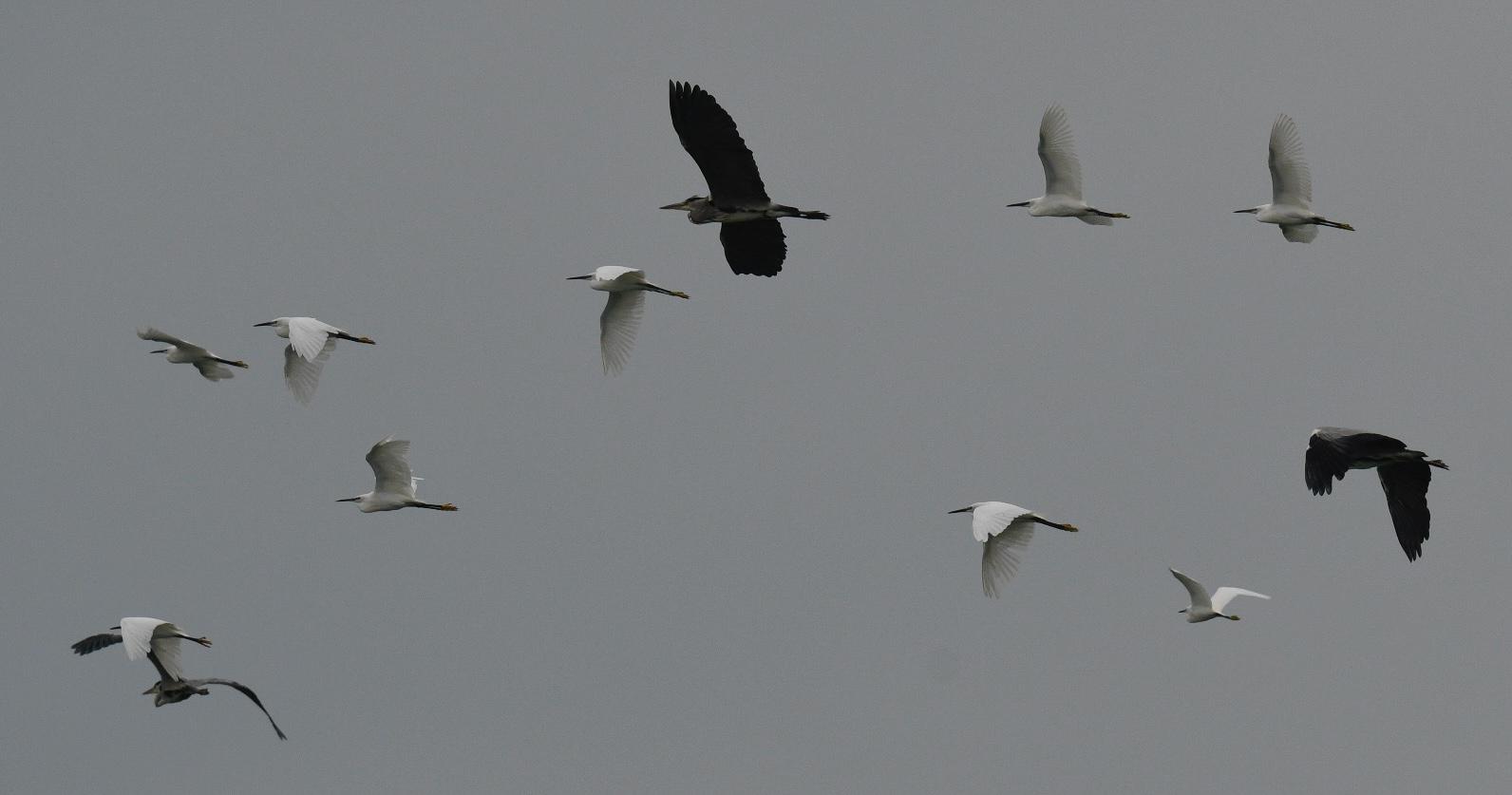
Grey herons and little egrets over the English Channel
What is involved in the protection of habitat corridors for creatures who fly? The conservation of terrestrial “stepping-stone habitats” is necessary but not sufficient. It is equally essential to guarantee that birds and other flying migrants have safe paths through the air.
How have we obstructed and fragmented aerial habitat? Most obvious are the physical barriers: wind turbines, power lines, communication towers, skyscrapers, and other tall structures, plus an increasing number of human-made flying objects like airplanes and drones.

Offshore wind farm in the North Sea
In many environmental circles, perhaps especially in the U.S., it has become taboo to mention avian mortality caused by wind turbines. Yet wind turbines do kill birds (and bats), although precise body counts are difficult, and virtually impossible for off-shore wind. (As one estimate, the American Bird Conservancy’s Joel Merriman calculated in 2021 that approximately 1.17 million birds are killed annually by turbines in the U.S.) Moreover, fatal collisions are not the only concern regarding wind development; wind farms can also displace migratory birds, such as whooping cranes and black kites. A review conducted in 2023 found that 63 percent of bird species studied experienced displacement when wind farms were constructed.

Turbines in the Canary Islands
Acknowledging these realities does not make a person a shill for the fossil fuel industry. We need a rapid transition to zero-carbon energy sources. At the same time, compassion for fellow creatures should urge us to maximize the use of alternative renewable energy sources, such as distributed solar, to limit the amount of land and airspace that must be sacrificed for humanity’s hunger for energy. Moreover, when we do build wind farms, we should strive to site them outside of the most important paths for migratory birds; the American Bird Conservancy, for example, has developed a risk assessment map for the U.S.
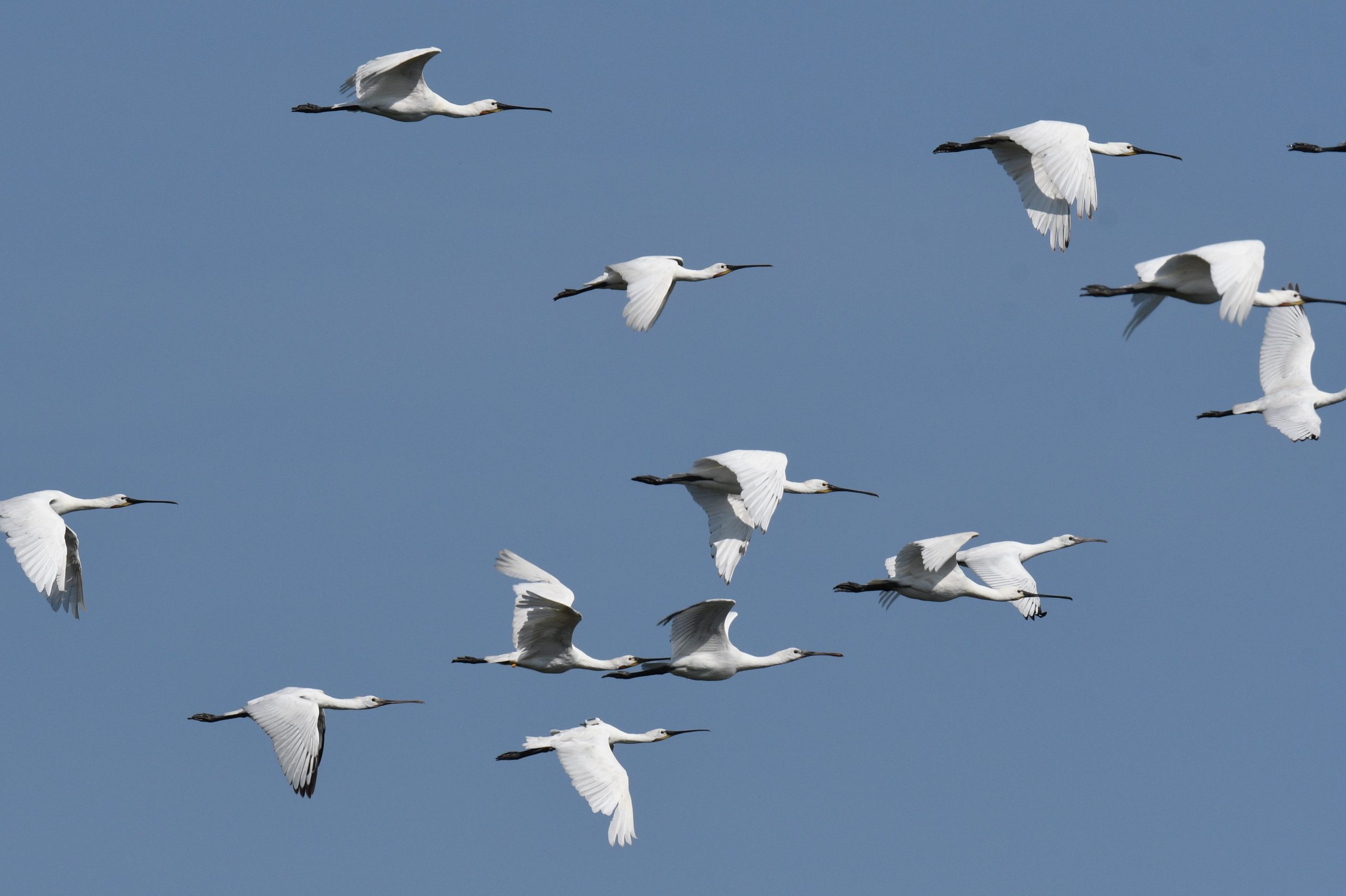
Eurasian spoonbills over the Dutch Wadden Sea, at risk from wind development
Even in a worst-case scenario, when the construction of wind farms in flyways is inevitable, it is possible to employ strategies to mitigate collision deaths. In the Netherlands, radar forecasting is used to predict when the largest waves of migratory birds will approach offshore wind farms in the North Sea, and the turbines are temporarily powered down for the birds’ safe passage. Attempting to see through birds’ eyes can also help us design turbines to be less deadly. A Norwegian research team was successful at preventing raptor strikes by painting one turbine blade black to moderate the effect of motion blur, which makes spinning blades difficult to discern. Unfortunately, a black blade is no silver bullet; more recently, a Dutch team failed to replicate the Norwegian team’s success for other bird species. One challenge for offshore wind is that birds did not evolve in an environment in which tall metal structures protruded from the seas; thus, many seldom look ahead when flying over water, instead keeping their gaze down to scan for food or resting spots. Researchers continue to examine ways to improve the visibility of turbines to marine birds.
Although most people might immediately think about turbines when they think about the impact of energy development on birds, power lines have an even higher death toll, causing tens of millions of avian fatalities each year in the U.S. due to collisions and electrocution. As we expand energy infrastructure, it is therefore also critical to protect flyways free from lethal power lines. Where energy development is unavoidable, cables can be buried or, at minimum, made more visible to birds. One trial in Belgium found that power line collision deaths were reduced by 85 percent or more through the use of wire markings “incorporating reflective, glow-in-the-dark, high contrast, and moving elements,” and the Romanian Ornithological Society is currently collaborating with Rewilding Europe to implement a similar solution.
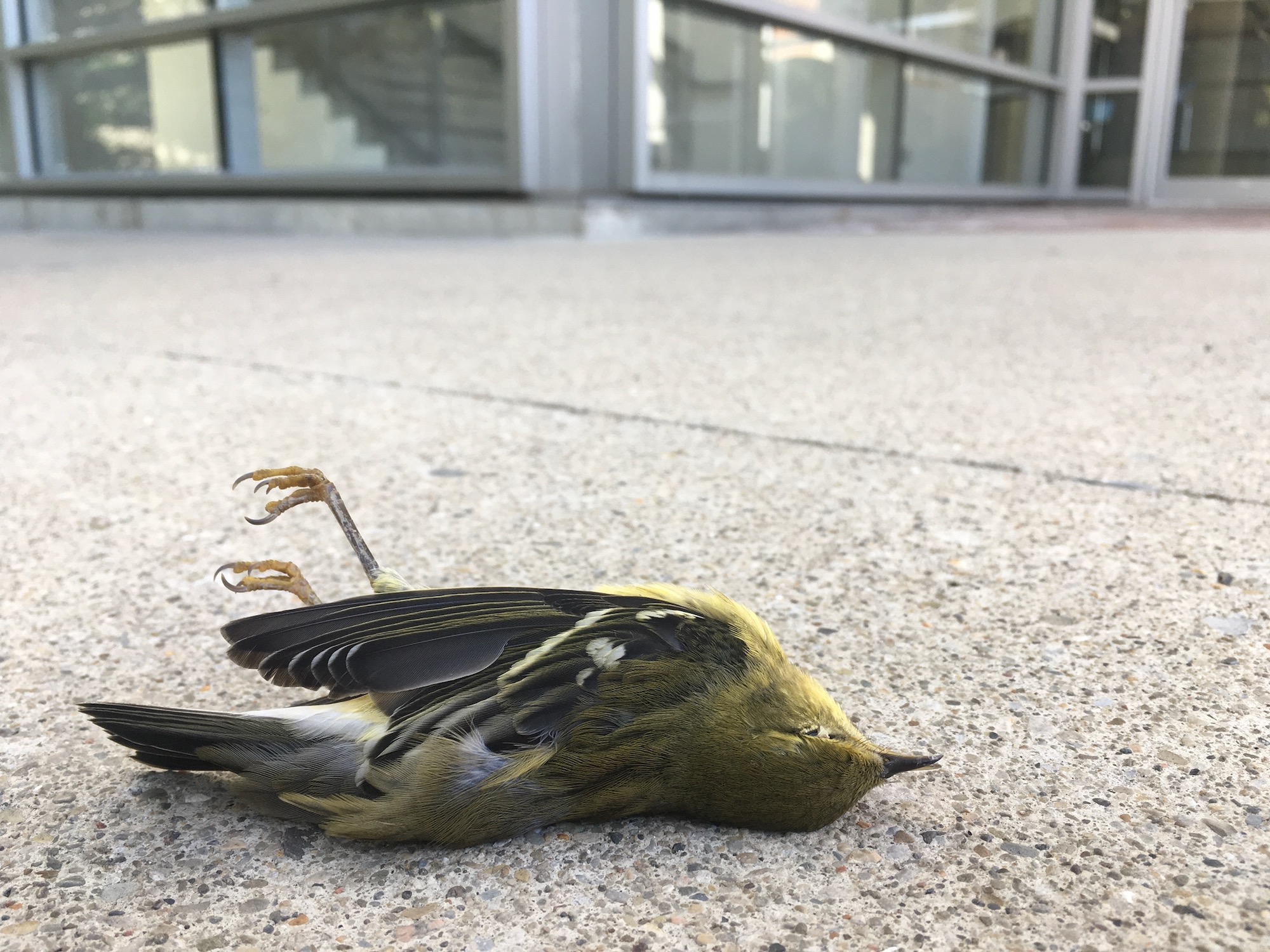
Warbler killed by window collision, Ohio
Out of all the hazards birds face in the modern built world, the greatest is undoubtedly glass. A 2024 study estimates that glass collisions kill more than one billion birds each year in the U.S. alone. Migratory birds are not the only victims, and skyscrapers are not the only killers; in fact, high-rises are estimated to be responsible for less than one percent of fatal window collisions in the U.S. That said, large, glass-covered buildings in flyways produce especially high rates of fatalities, such as the infamous mass mortality event at Chicago’s McCormick Place, when more than 1,000 birds were killed in a single night during autumn migration in 2023. Fortunately, we understand avian visual systems well enough to have effective remedies. The general rule of thumb is to apply dots or stripes spaced no further than four inches apart vertically and two inches horizontally, creating the appearance of a barrier to birds. McCormick Place, for example, went on to reduce collisions by 95 percent by outfitting its windows with dot patterns manufactured by Canadian innovators Feather Friendly.
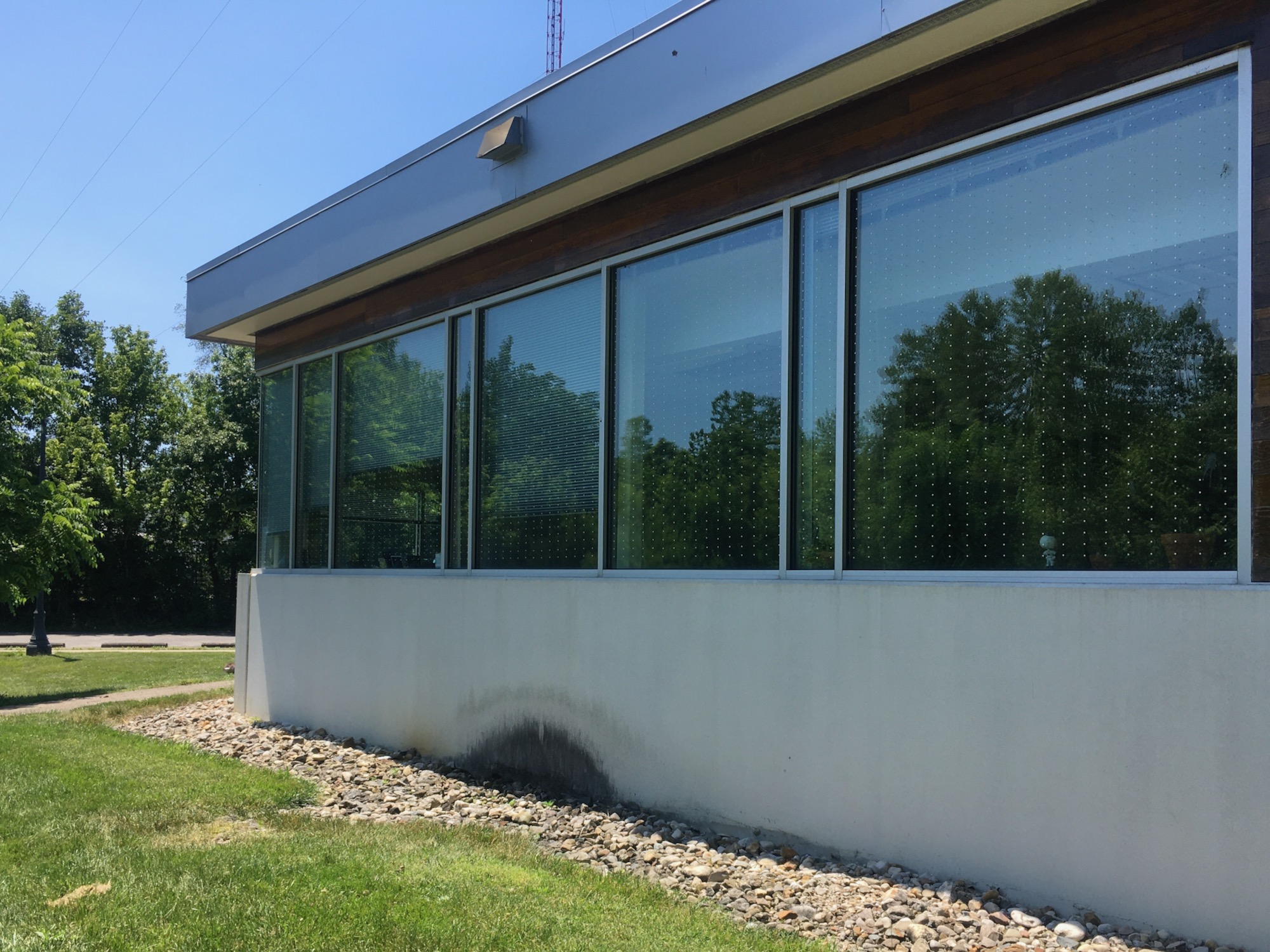
Bird-friendly dots on Heffner Wetland Research Building windows, Ohio
Assume that we protect a flyway free from all physical barriers. Would that be enough to permit the safe passage of migratory birds? Not necessarily. Flyways can also be fragmented by false signals that cause birds to travel off course – such as, notably, artificial light.
A particularly striking example is New York City’s Tribute in Light memorial, the vertical spotlights displayed annually to commemorate the victims of the 9/11 terrorist attacks. Each year, tens of thousands of migratory birds become confused and disoriented by the lights, flying in circles, unable to continue their journeys northward until the lights are switched off. Normal urban light pollution also confuses nocturnal migrants, luring them into city centers where they might lack suitable habitat and face the risk of glass collision and other threats like cars and cats. In the U.S., the Lights Out program encourages municipalities and urban building owners to “dim the lights for birds at night” during migration season. While nocturnally migrating songbirds tend to be the focus in the U.S., nocturnal seabirds are the most common victims of light pollution in islands like the Canaries and Madeira. Artificial light causes birds like petrels and shearwaters to become “grounded” and unable to launch again.
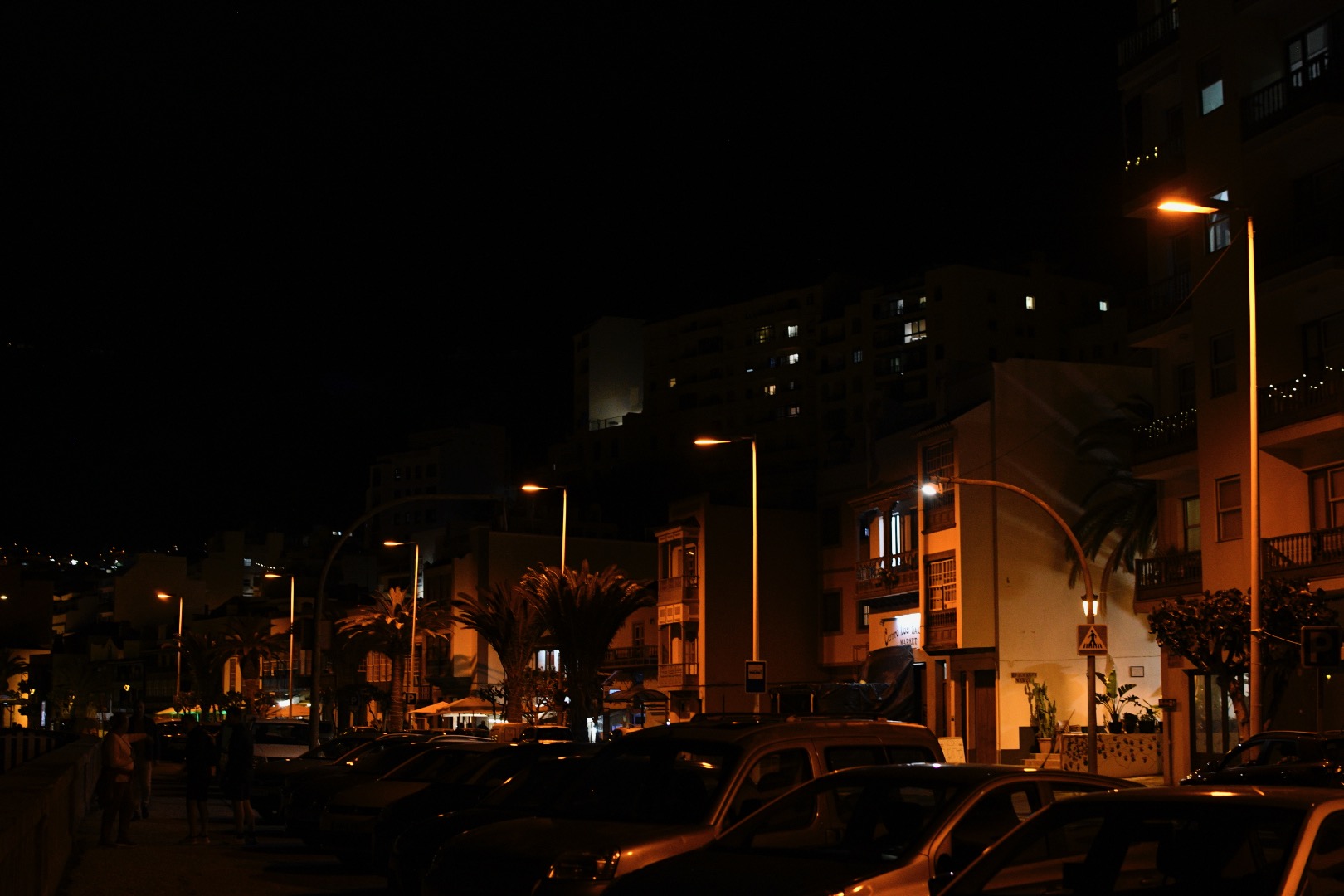
Example of wildlife-friendly lighting from Santa Cruz de La Palma, Spain
On top of ground-based sources of light pollution, nocturnal migrants now face emerging threats like satellite megaconstellations. Songbirds such as indigo buntings observe the stars and constellations to orient themselves for migration, and in laboratory settings they can be confused by being shown false representations of the night sky. Will they also be confused by an unprecedented number of low-orbit satellites visible at night? We don’t yet know.
In order to protect flyways for feathered fauna, we need to learn to think like birds, and we still have much to learn about how birds decide when to fly and what course to take. Artificial light is one sensory pollutant that can disorient migratory birds, but it is unlikely to be the only one.
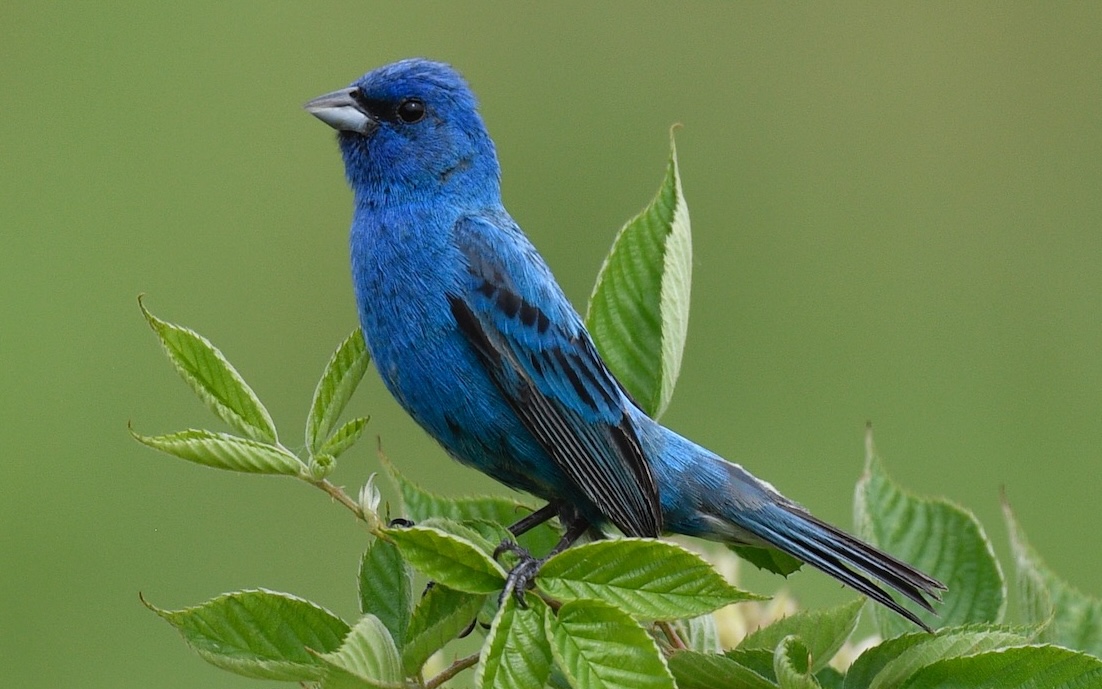
Indigo bunting, a bird who navigates by the stars
What about air pollution such as smog? Wildfire smoke has been shown to impede bird migration. What about noise pollution? One experiment found that even in the absence of actual roads and automobiles, traffic noise can act as a barrier that causes birds to avoid stopover habitat. Meanwhile, we are still learning about the function of nocturnal flight calls. We know that noise pollution can disrupt birds’ communication in their breeding territories; might noise pollution in flyways also hamper birds’ abilities to convey information en route?
And let’s not forget that the senses important to migratory birds are not limited to those that are important to humans, like sight and hearing. Could “electromagnetic pollution” from our high-tech civilization interfere with birds’ important sense of magnetoreception? A 2014 study in Nature concluded that, indeed, urban populations of European robins were unable to orient properly to Earth’s magnetic field due to the “electromagnetic noise” of the city.
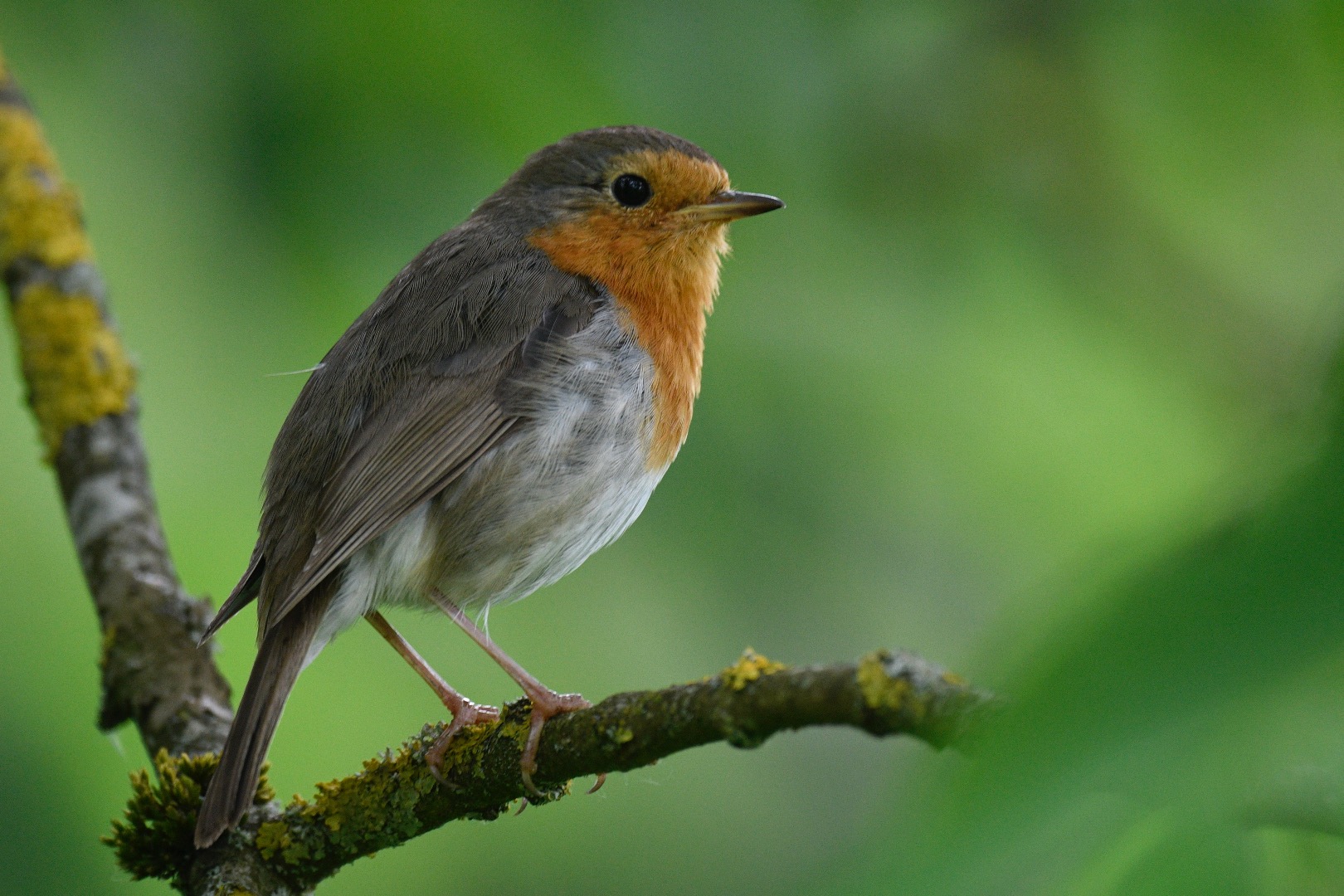
European robin, a bird sensitive to urban electromagnetic noise
Our modern civilizations have not only erected physical barriers in flyways but also created sensory pollution that interferes with birds’ ability to navigate through airspace. As one final consideration, I would be remiss not to mention the (literal) winds of change.
Climate change is a multi-pronged threat to migratory birds. A warming planet not only imperils habitat (e.g. due to rising sea levels and an increase in wildfires and extreme weather events) but also creates mismatches in biological timings; for example, many species of migratory birds in North America are failing to keep pace with earlier spring green-up and earlier peaks of caterpillar availability, arriving at their breeding territory too late to maximize food availability for their chicks. Furthermore, climate change might also affect flyways directly due to its effect on wind patterns and the importance of favorable winds for migratory birds. We don’t yet know exactly how warming-induced changes in the atmosphere will alter global flyways, but the question alone illustrates the importance of thinking like a bird: To creatures who rely on aerial habitat, air is much more complex than mere empty space.
All photos by Kate McFarland.
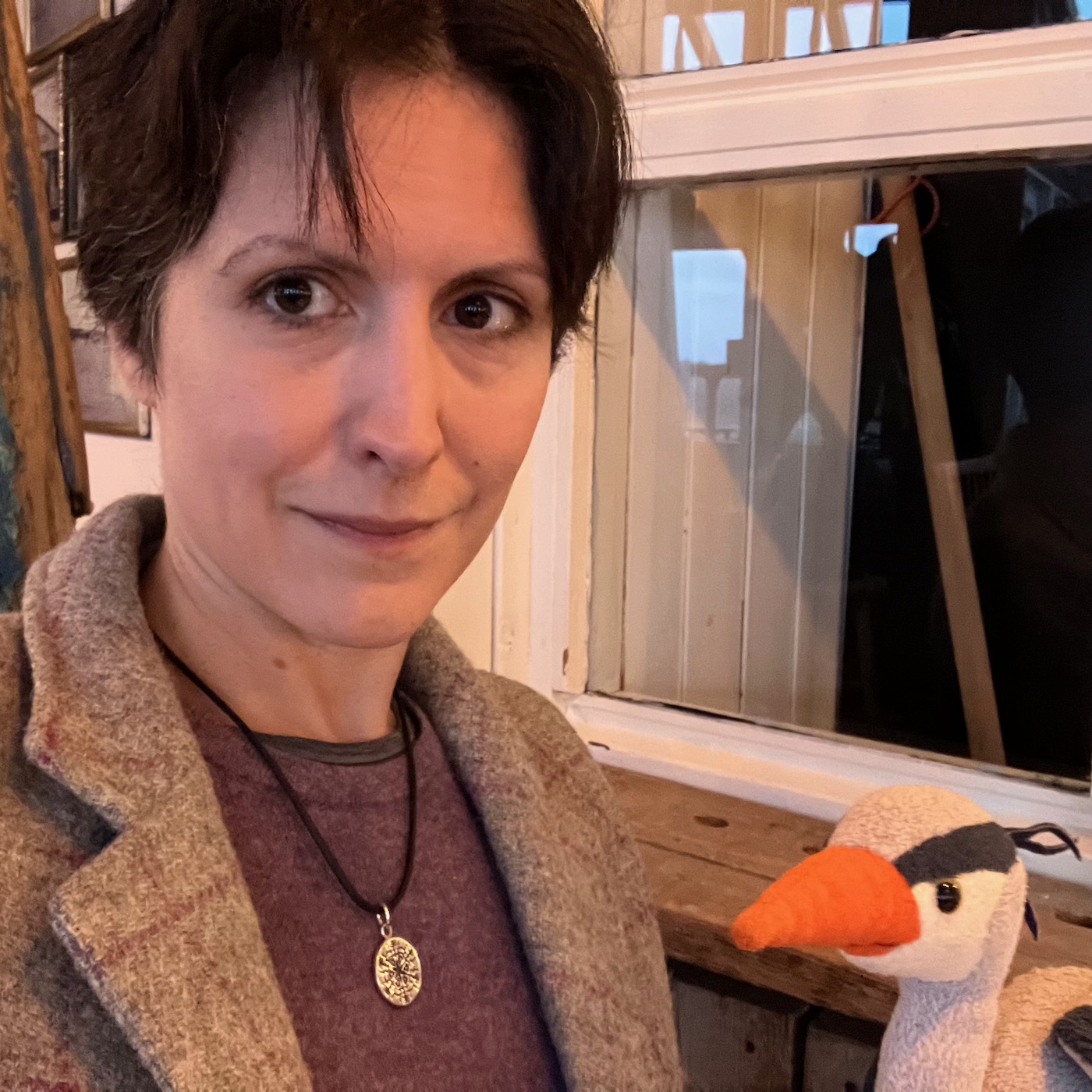
Kate McFarland is a former board member of The Rewilding Institute.
Kate’s rewilding-related interests have subsequently landed upon feathered fauna and flyway conservation, with a side interest in the absence of noise and light pollution as an element of wildness.
At present, Kate volunteers remotely for the Bird City Network, World Migratory Bird Day, and Quiet Parks International. When she’s in downtown Columbus during migration season, she also volunteers with Ohio Lights Out to look for window collision victims. She has also been involved with DarkSky International.
For her day job, Kate works for the Center for Ethics and Human Values at the Ohio State University as a sort of liaison between the academic and bureaucratic realms.
Kate is also committed to a lifestyle of walking and cycling – never driving – due to its mental and physical health benefits. Once in a while, she writes about her experiences of seeking wildness, birds, quiet, and darkness as a non-driver on her blog Nonmotorized Trails, or posts about them on Bluesky.