
In the Pantheon of Wildlife Heroes: Meet George Schaller
April 17, 2026
Book review of Homesick for a World Unknown: The Life of George B. Schaller by Miriam Horn. Penguin Press, 2026.
If there is a pantheon of wildlife heroes, George Schaller is surely in it. The biography of his life eloquently confirms so. Wilderness champion Dave Foreman, founder of the Rewilding Institute and subject of the festschrift Wildeor, said several times in his elder years: “If I could have lived anyone else’s life, it would have been George Schaller’s.” Dave admired Schaller for his paradigm-shifting field research, intimate experiences with wild animals, adventures in remote places, and — maybe most of all — his success in protecting these remnant wildlife strongholds as parks and refuges. Internationally, tens of millions of acres are now designated protected areas because of Schaller’s careful research of large mammals and advocacy for their wild homes.
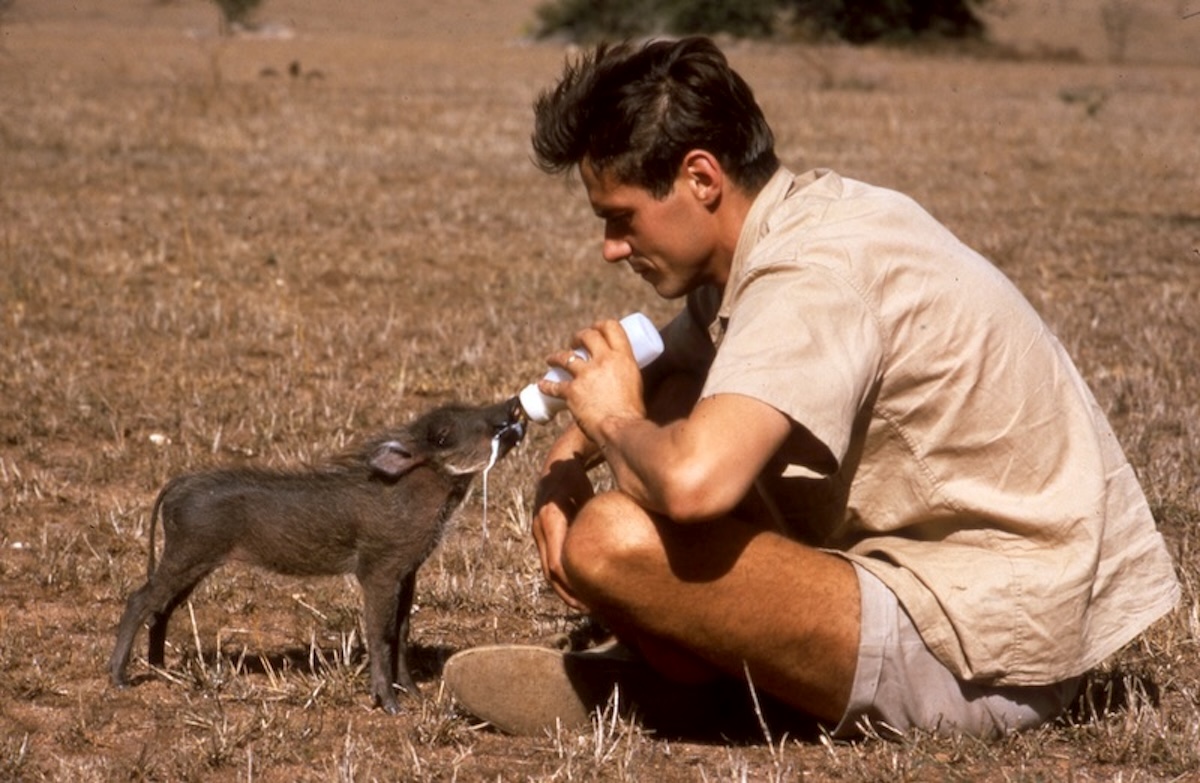
Homesick for a World Unknown is an extraordinarily engaging biography of an extraordinarily effective conservation biologist. Whether you’ve been following George Schaller’s pioneering studies and reading his books for half a century or you have just learned of him, you will devour this book and admire its subject. The subject is dual, really, for George was often accompanied and always supported by his beloved wife, research partner, and editor, Kay Schaller. The two often lived with their sons Eric and Mark in simple huts in remote places, where the boundaries between wild and domestic were blurry, and the household often included orphan cubs or calves that George or Kay rescued. Any Africans who suspected the Schallers of being coolly scientific and professionally detached from their subjects must have been heartwarmingly surprised to see the nurturing love the Schallers showed their orphan warthog!
Miriam Horn, writer, filmmaker, and conservation advocate from Colorado, richly earned the privilege — and huge research assignment — of being Schaller’s biographer. She studied and interviewed her subject for many years before writing the nearly 600-page story of a life so exciting and accomplished that additional biographies could someday be added to this beautiful tome and to George Schaller’s own two dozen books.

George and Kay Schaller were deep ecologists even before Norwegian philosopher Arne Naess coined the term “deep ecology.” George was a conservation biologist even before Michael Soulé founded the Society for Conservation Biology. The couple were rewilding advocates before Dave Foreman defined “rewilding.” They trained three generations of great field biologists (including Amy Vedder, Alan Rabinowitz, Kent Redford, and Howard Quigley, after early and favorable influences on renowned primatologists Jane Goodall and Diane Fossey), who have gone on to inform and establish protected areas worldwide.
Horn’s evocative title hints at a realization lyrically written by Aldo Leopold in his landmark A Sand County Almanac and oft quoted by Dave Foreman: “There are some who can live without wild things, and some who cannot.” Dave would say that we Wilderness advocates comprise the “cannots” club and that Schaller was among our greatest spokespeople.
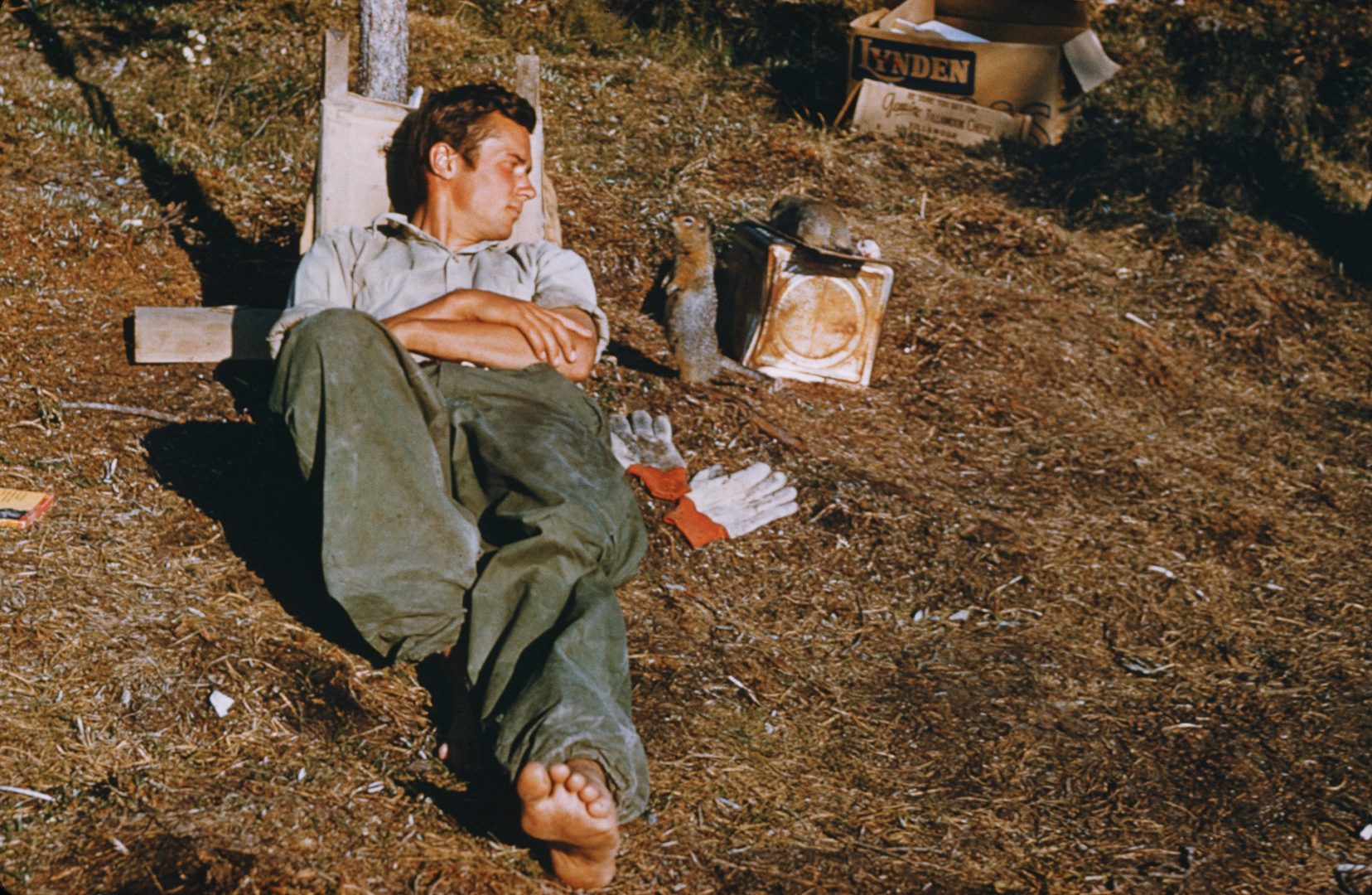
The book is helpfully divided into study areas and species. Schaller first, during graduate school, studied grizzly bears and caribou in Alaska’s Arctic with famed explorers Olaus and Mardy Murie. He then went on to study mountain gorillas in the Virunga Volcanoes of Congo and Rwanda; tigers in India; lions in the Serengeti of Tanzania; snow leopards and Marco Polo and blue sheep in the Himalayan Mountains of Pakistan; jaguars and capybaras in Brazil’s Pantanal wetlands; pandas in Sichuan, China; and Tibetan antelope and brown bear on the Tibetan Plateau.
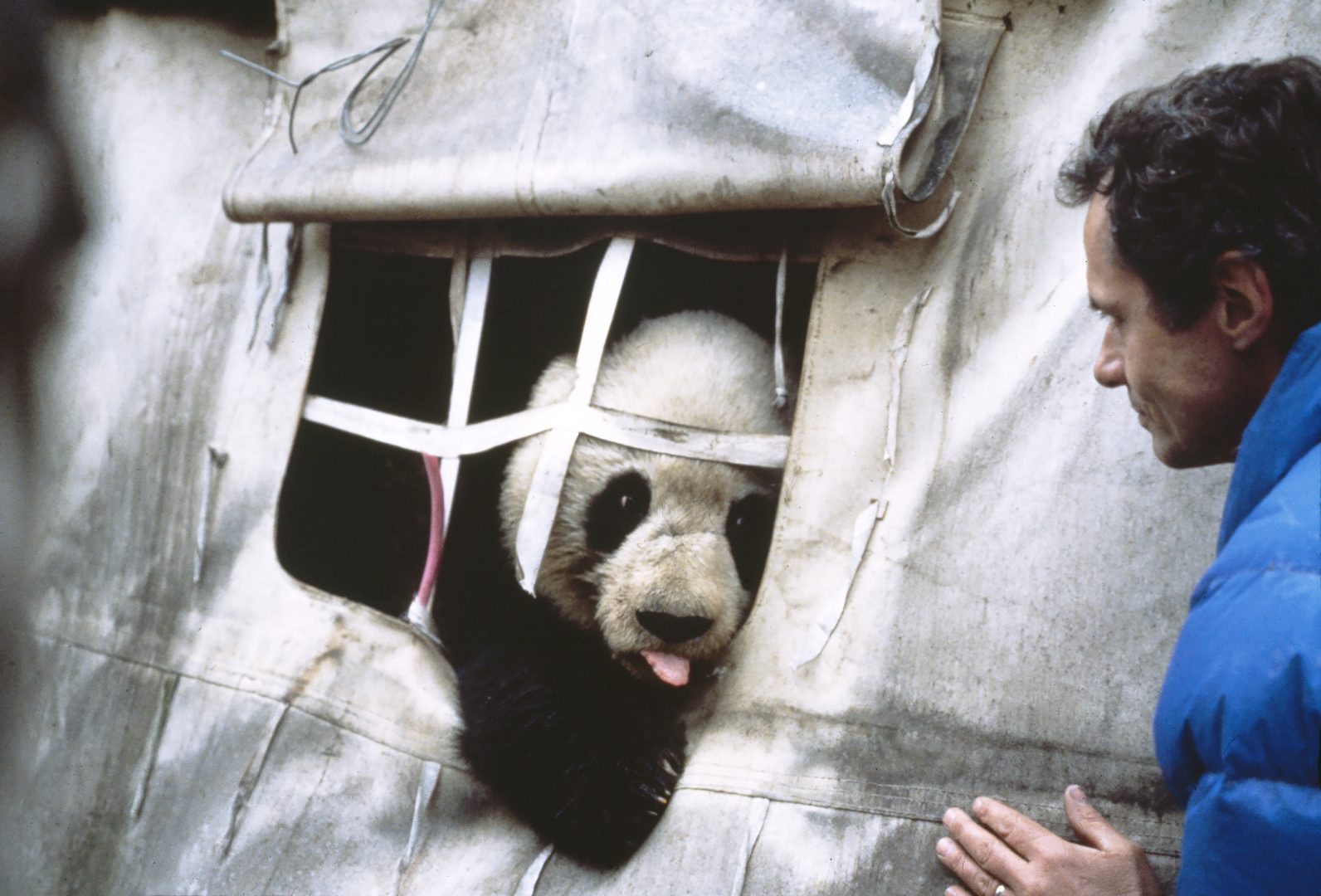
One addition I’d propose if the author writes a second edition is to more fully describe the protected areas that the Schallers helped get designated. This would not only further disclose the astonishing successes of the brave scientist and his equally brave spouse, it would also inspire more conservation advocates and scientists to boldly put wild Nature first.
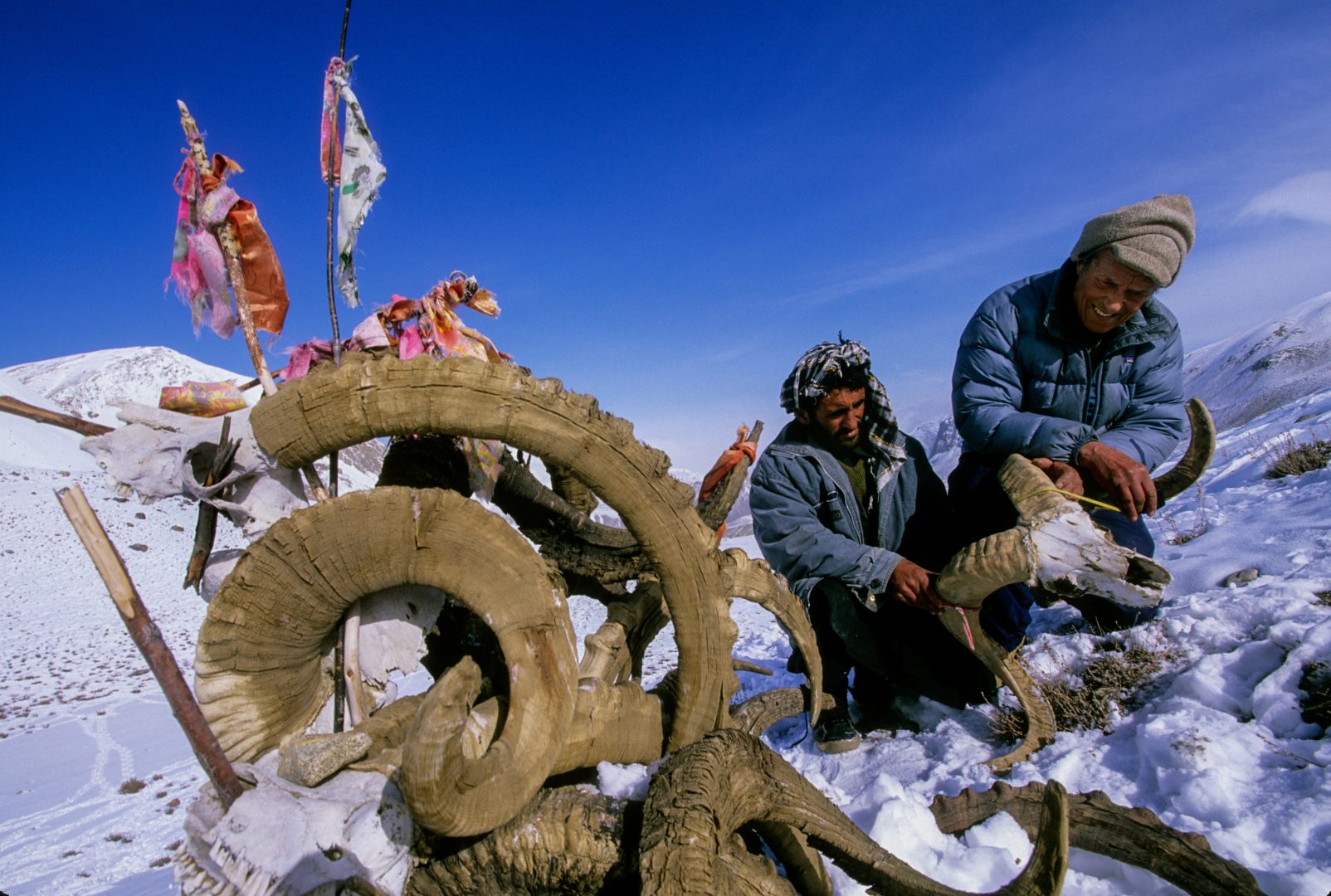
A short section where Horn mentions a protected area Schaller proposed, which became Khunjerab National Park in Pakistan, includes passing reference to the oft-repeated charge that protected areas displace local peoples. Unfortunately this has happened, perhaps especially in Africa, but as the author acknowledges, Schaller called for incorporating local peoples’ livelihoods into protected areas management. Biographies must be contained if they are to gain readers, and exploring debates over parks and local peoples would be a whole separate book — which could be largely informed by the Schallers’ work.
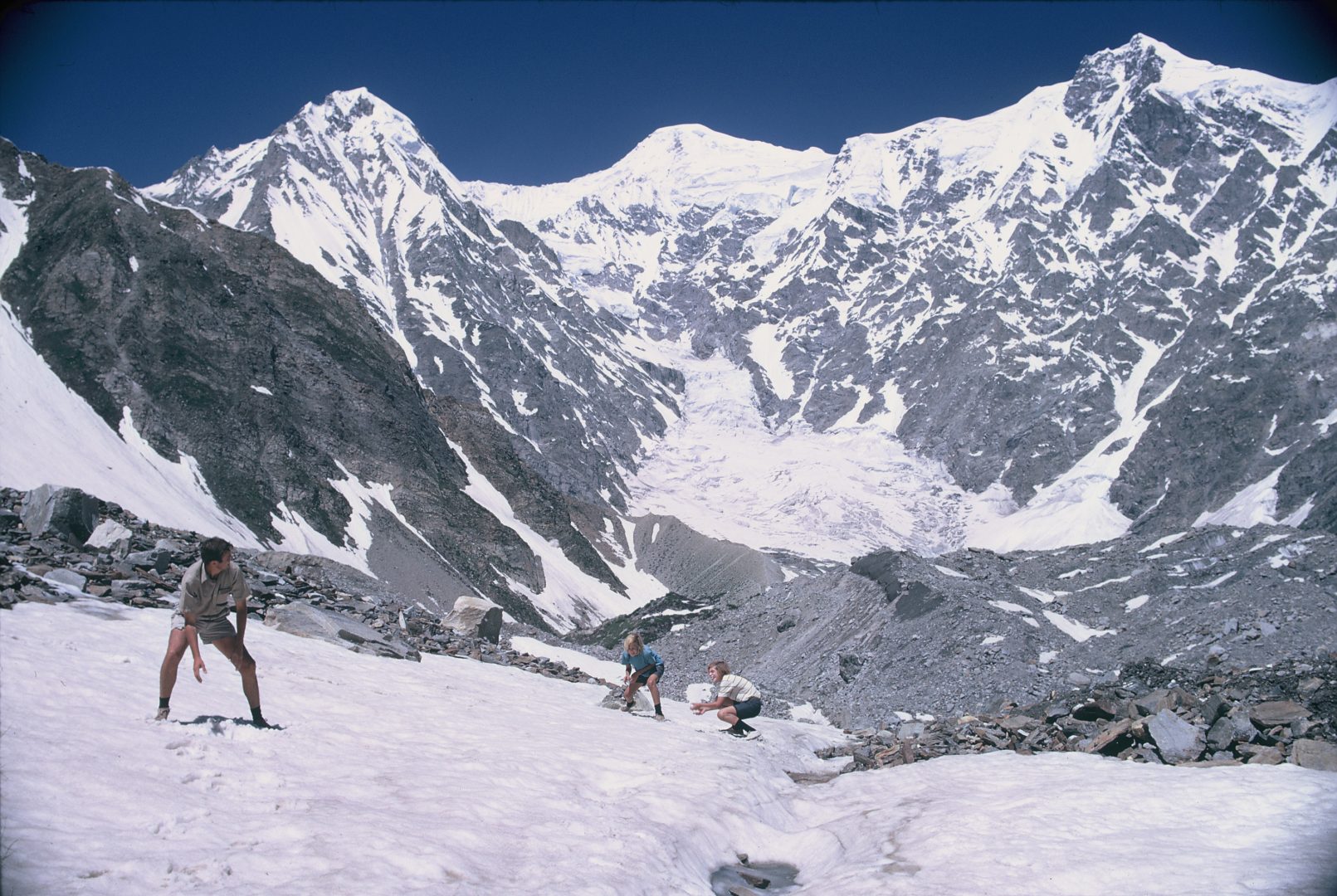
Horn keeps to the subject at hand, George Schaller, insightfully and not intrusively studying the motivations and personality traits of this justly famous field biologist. His Himalayan trek with the equally famous naturalist Peter Matthiessen disclosed Schaller’s personality in ways Horn skillfully interprets — aided by Matthiessen’s book on the journey, The Snow Leopard, and Schaller’s expedition story, Stones of Silence. To this reader, at least, George Schaller emerges as generous (even if occasionally grumpy) and discerning about wild animals. Whether Schaller’s relationship with wildlife was more scientific or spiritual matters less than how well he served wildlife, which was almost unprecedentedly effective.
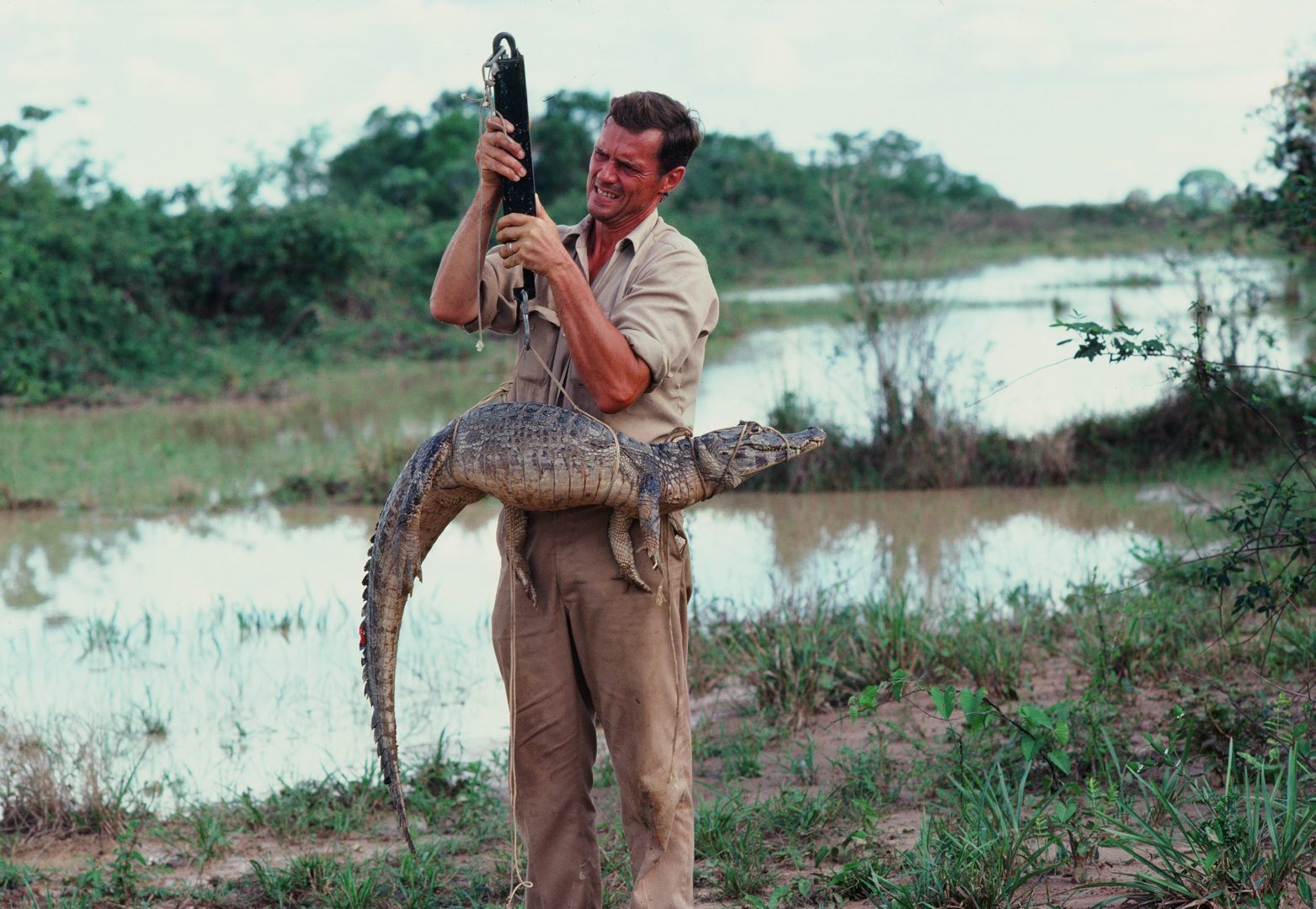
Whether George was always fair to his beloved wife and sons when he left them for months at a time to do his remote field studies, let them decide. The biography seems to suggest that such separations were difficult but mutually supported. The family’s time apart was made more difficult by the sorrow associated with studying animals declining from human exploitation; the most painful losses would come when George learned that one of the individuals he’d gotten to know in his field observations had been shot by poachers.
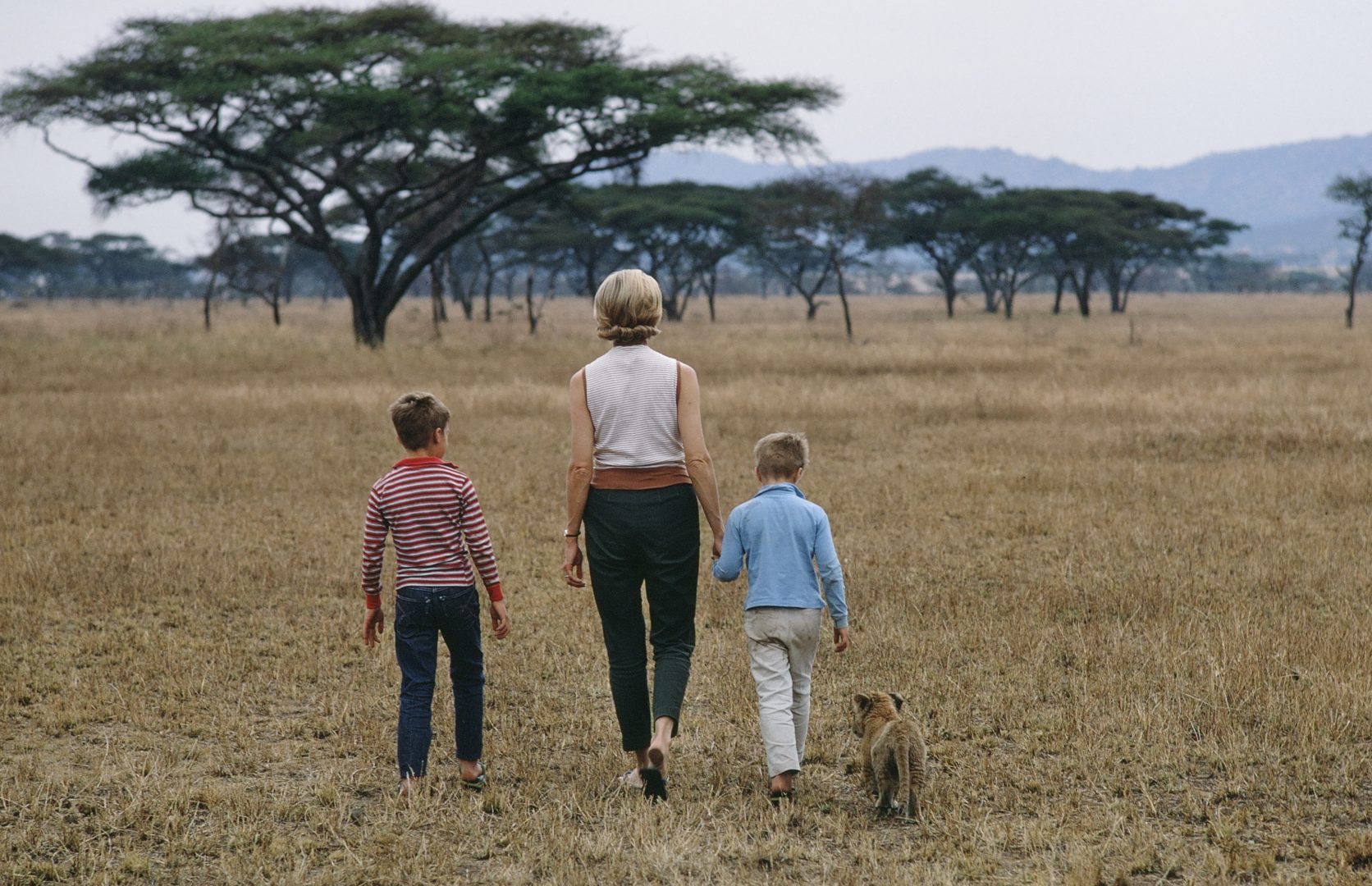
These sorts of losses continue, as every conservationist knows, but the Schallers inspired a movement to reverse them. At a time when a few political individuals are narcissistically ruining the lives of millions, wild and human, to further their grandiose ambitions, we can learn from individuals who do good. Sadly, Kay passed away after Horn began her work on this great book. Although still grieving, George continues sharing his wisdom with young conservationists.

Homesick for a World Unknown shares the lives of this remarkable couple able to live so fully while giving so much to benefit millions of furred, feathered, finned, and flowering. May the Schallers’ wild world be known and loved, for it is the real world.
Further reading from the Rewilding Institute:
• Reviving the Roar: George’s Schaller’s Borderland Jaguar Road Trip
• Tales from a Life in the Field with George Schaller (video recording of George Schaller, 2024)
• John Davis in Conversation with Field Biologist George Schaller
• Rewilding Earth Podcast Episode 172: George Schaller “Homesick for a World Unknown” with Miriam Horn
Get your copy of Homesick for a World Unknown: The Life of George B. Schaller here. Learn more at the author’s website.

Photo credits, top to bottom:
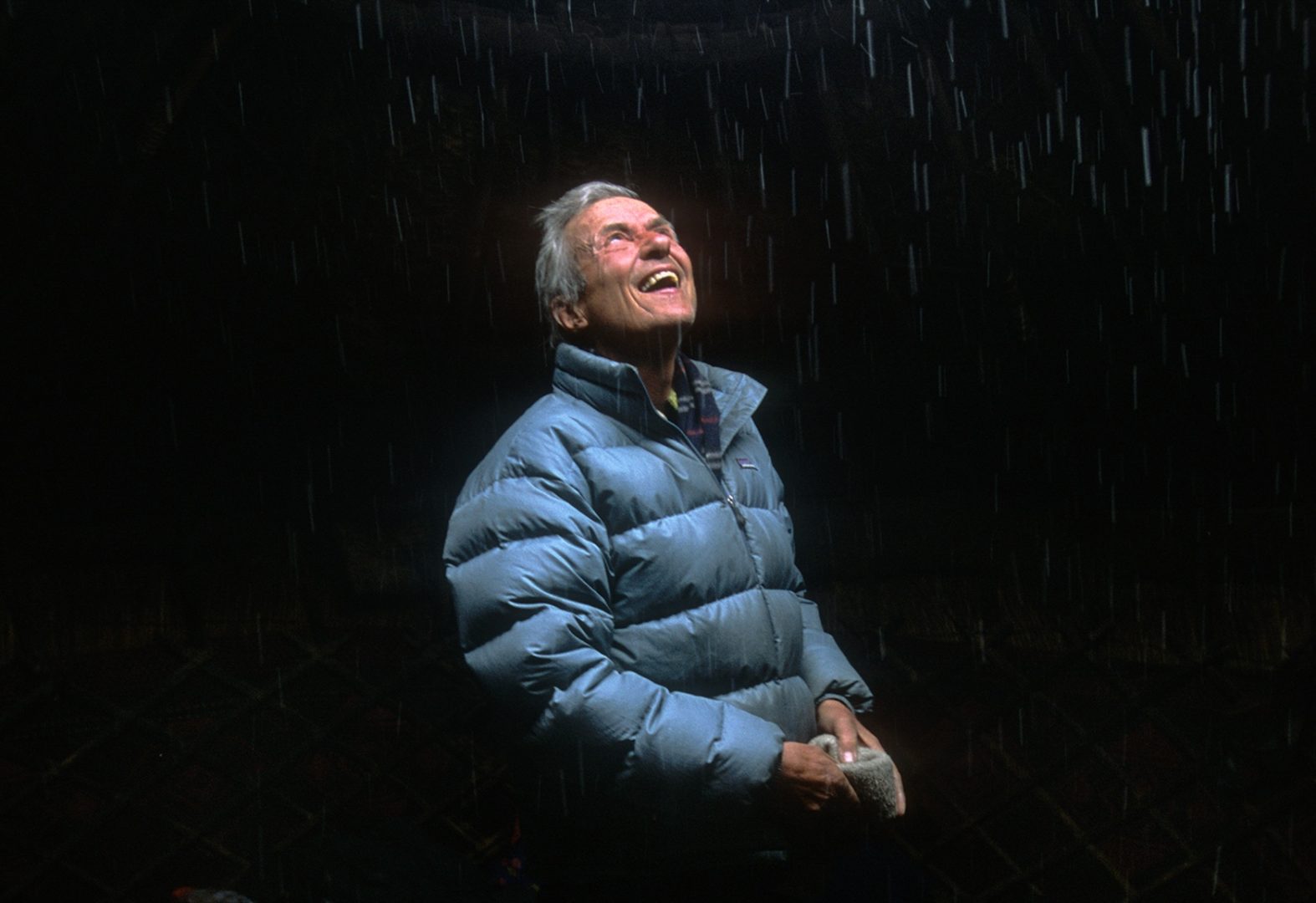
1. George Schaller watches snow fall inside a yurt, during a wildlife survey in Afghanistan. Photo by Beth Wald.
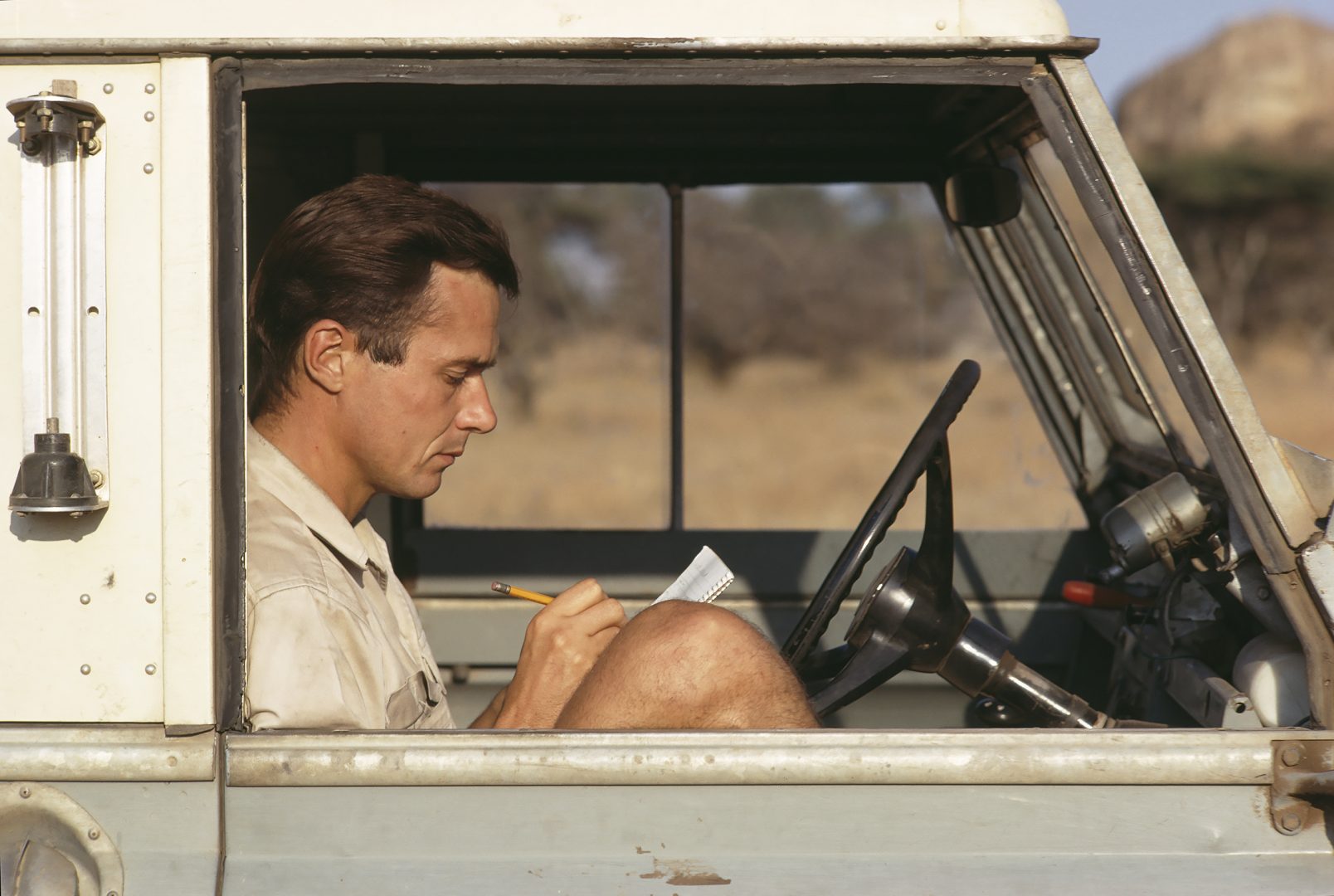
2. To watch lions for days on end posed an unexpected challenge. “They spend masses of time doing absolutely nothing.” Courtesy of George B. Schaller Archive.
3. Knowing of George’s love of pigs, a neighbor brought him a three-week-old warthog found in a den with her dead siblings. Giri demanded to be fed every few hours and cried when George went off to work. Courtesy of George B. Schaller Archive.
4. In July 1966, out in the Maasai Mara with warden Myles Turner, “We found an ostrich egg, laid at random and abandoned.” The delicious omelet fed four Schallers plus three guests. Courtesy of George B. Schaller Archive.
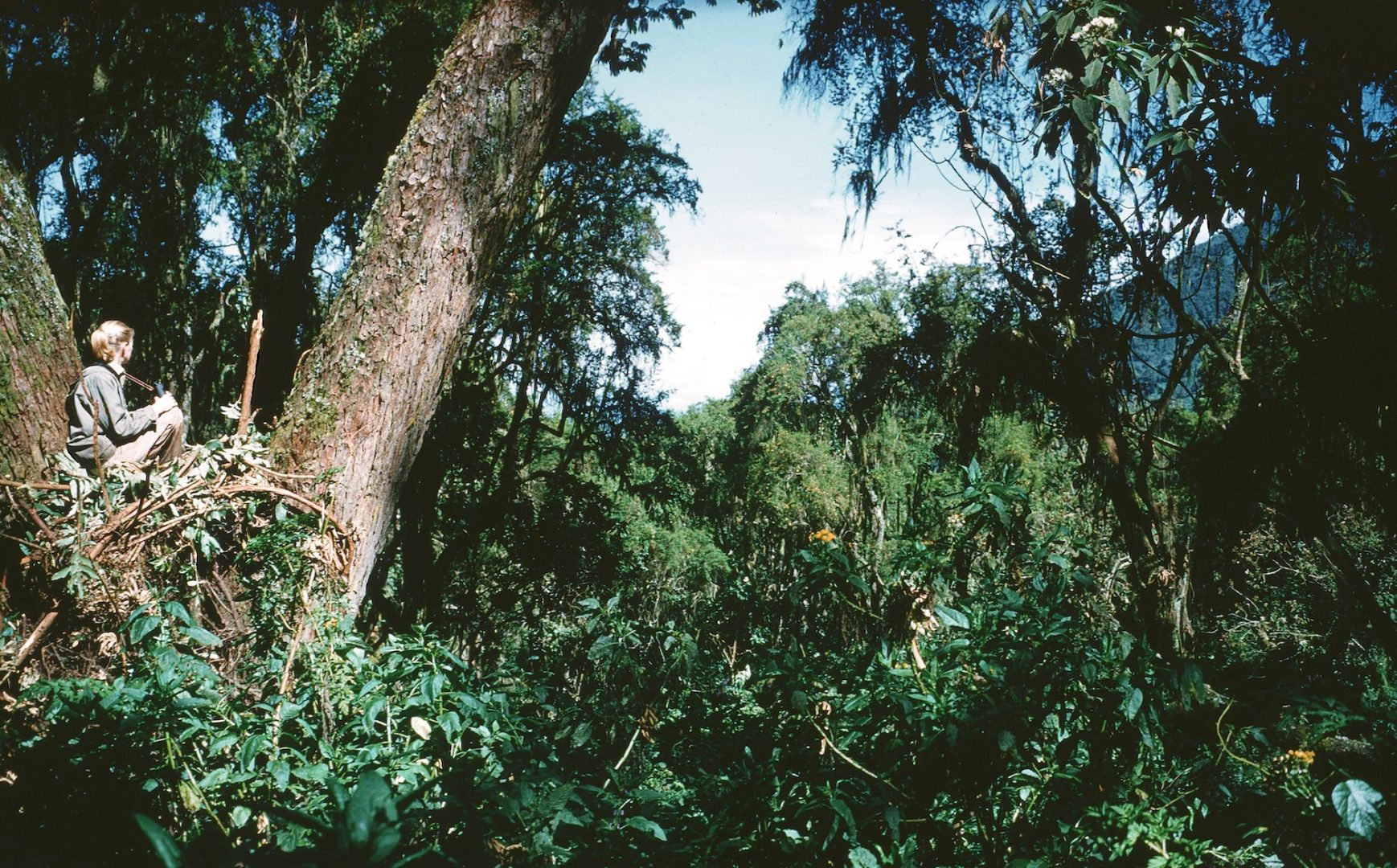
5. At last overcoming her terror, Kay often climbed into the gorillas’ abandoned nests to watch — and be watched. Like us, she said, gorillas are “more afraid of the unseen.” Courtesy of George B. Schaller Archive.
6. In camp, among friends. Courtesy of George B. Schaller Archive.
7. One of Schaller’s most famous pictures concealed an infinitely sad story of wild pandas reduced to objects for our entertainment. Courtesy of George B. Schaller Archive.
8. At 71, Schaller crossed 13 valleys and passes above 14,000 feet in Afghanistan’s Wakhan Corridor, in pursuit of Marco Polo sheep and an international peak park. Photo by Beth Wald.
9. George, Eric, and Mark on a father-son camping trip near Pakistan’s border with China, at the base of the 26,660-foot Nanga Parbat. Courtesy of George B. Schaller Archive.
10. Courtesy of George B. Schaller Archive.
11. Summer 1968: Eric age seven, Mark age five, Ramses about eight weeks. “I wonder if I could be more content,” Kay wrote to her mother. “I am so glad not to be living an ordinary life.” Courtesy of George B. Schaller Archive.
12. Sunbathing on a Serengeti kopje. Courtesy of George B. Schaller Archive.
John Davis serves as wildways scout, editor, interviewer, and writer for the Rewilding Institute. He also works as a rewilding advocate for the Adirondack Council, a member-supported group defending the ecological integrity and wild character of New York’s great Adirondack Park. John serves on the boards of RESTORE: The North Woods, Eddy Foundation, and Algonquin to Adirondack Conservation Collaborative. He previously was editor of Wild Earth and worked for the Foundation for Deep Ecology. In 2011, John completed TrekEast, a 7,600-mile muscle-powered exploration of wilder parts of the eastern U.S. and southeastern Canada. In 2013, he trekked from Sonora, Mexico, north along the Spine of the Continent as far as southern British Columbia, Canada, ground-truthing Rewilding North America and promoting habitat connections, big wild cores, and apex predators.