
Conserving Nature in Greater Yellowstone: Controversy and Change in an Iconic Ecosystem
April 10, 2026
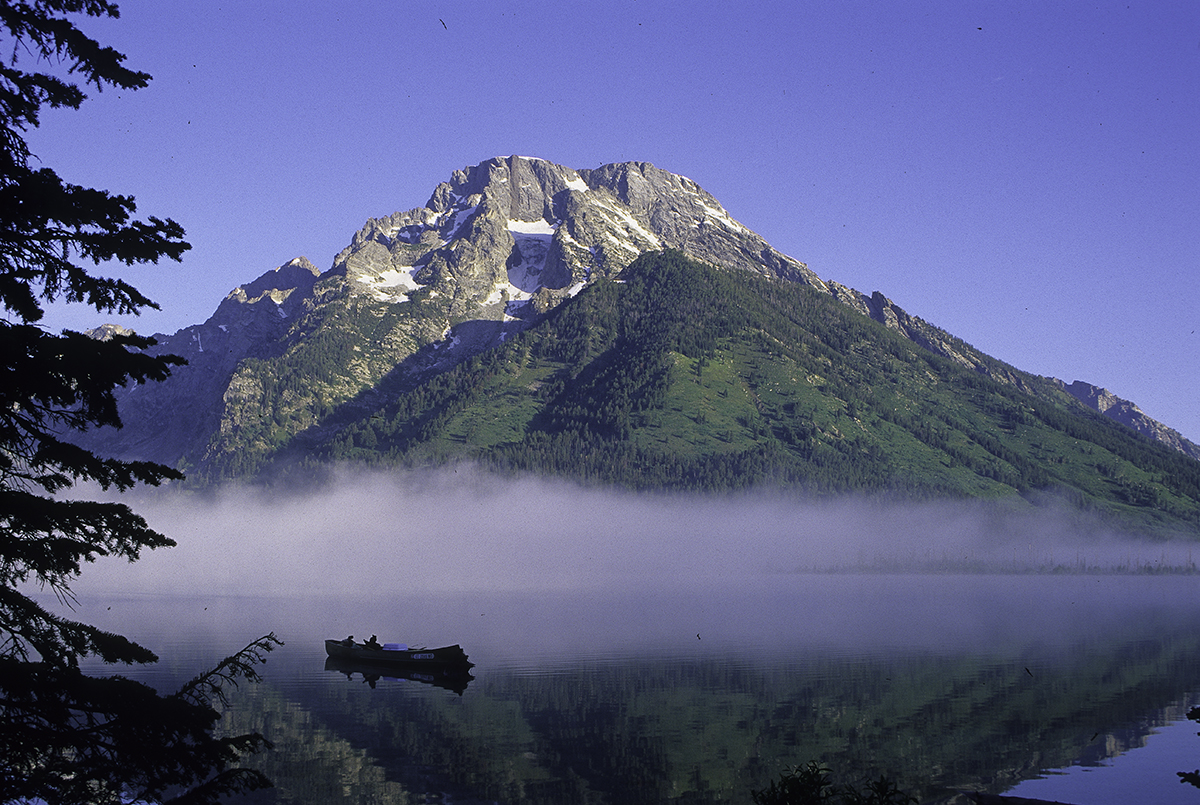
Leigh Lake, Grand Teton National Park, Wyoming (Photo by George Wuerthner)
Book review of Conserving Nature in Greater Yellowstone: Controversy and Change in an Iconic Ecosystem by Robert B. Keiter. Chicago: University of Chicago Press, 2025.
The Greater Yellowstone Ecosystem (GYE) is a region rich in wildlife, national parks, and national forests, and it is an idea. The idea is that to manage a region with diverse and fragmented jurisdictions (federal, state, local governments, national forests, national parks, and private landholdings) and protect wildlife and natural features (grizzly bears, wolves, bison, elk, pronghorn, cutthroat trout), the region must be viewed as an entity, an interconnected whole. Management must consider it an integrated ecological system, and the pursuit of conservation goals must be sought on a large, landscape scale. Here is Robert Keiter’s summary description of the region:
“The GYE is an interconnected yet complicated landscape when viewed in ecological and legal terms for nature conservation purposes. The GYE is generally understood to encompass roughly 23 million acres, up from roughly 14 million acres when the concept was originally conceived for conservation purposes during the 1980s. … Not a recognized formal legal entity, the GYE contains an amalgam of federal, state, and private lands that bridge three states — Idaho, Montana, and Wyoming. Roughly 15 million acres (two-thirds of the GYE) is in federal ownership. … Two world-famous national parks — Yellowstone and Grand Teton — constitute the core of the ecosystem and extend across 2.5 million acres. Moving outward, the GYE includes five national forests, extensive wilderness areas, three national wildlife refuges, three protected wild and scenic river segments, and lower elevation public lands. The three GYE states have scattered school trust landholdings in the area, while privately owned lands, including many large ranches, cover roughly 30 percent of the region.”
Keiter wraps up this description with the observation that the GYE “manifests extreme jurisdictional complexity, making it difficult to coordinate resource-management priorities and practices at an ecosystem or regional level.” Yet that is what the GYE concept requires.
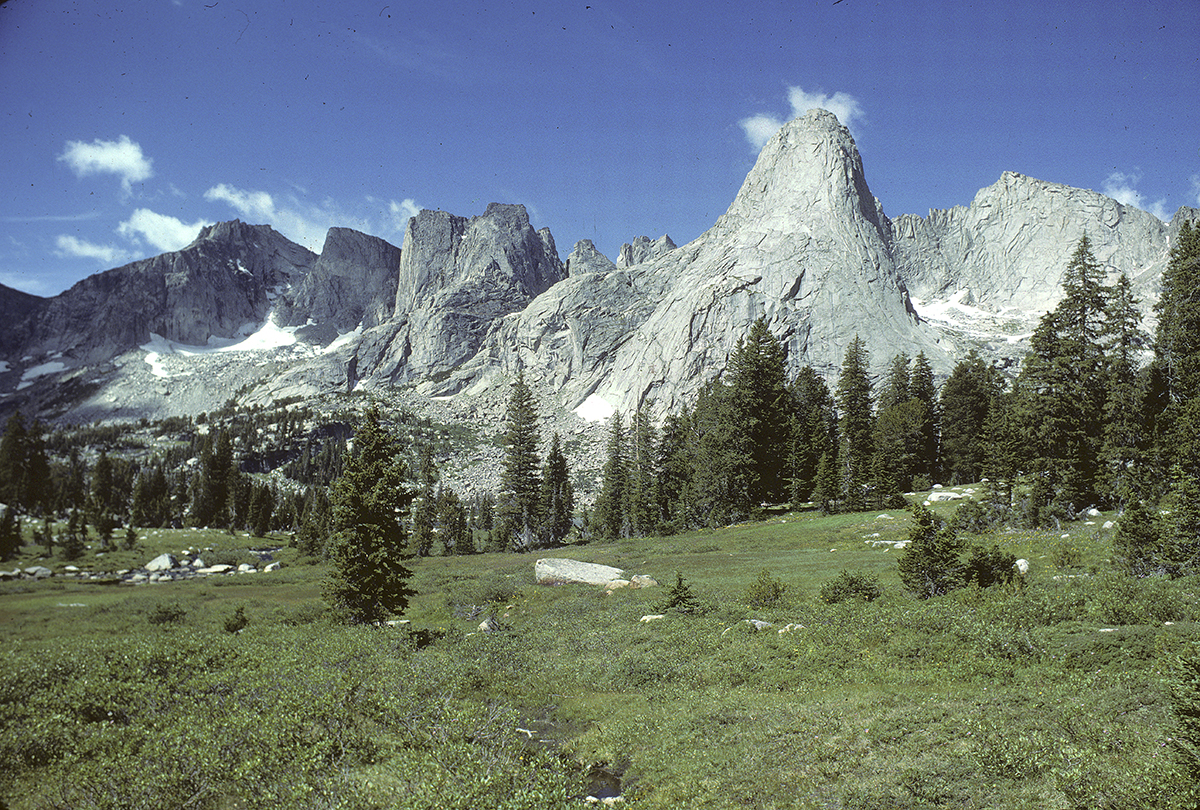
Cirque of the Towers, Popo Agie Wilderness, Shoshone National Forest, Wyoming (Photo by George Wuerthner)
The part of the idea that offers a way to achieve such management is the ecosystem management concept, which uses ecological science and conservation biology principles to “protect biodiversity and ecosystem integrity for long-term human benefit.” It seeks to do this “at an ecologically appropriate scale, while also supporting economically and socially sustainable communities.” It requires large-scale planning and coordination that breaks down jurisdictional boundaries. Many people in all jurisdictions have been working on this for decades. There has been some success, but much work remains.
Uncertainties about the future of the concepts and the qualities of the regional landscape are part of the story in Conserving Nature in Greater Yellowstone. Keiter concludes his introduction, “Our forbearers managed to preserve much of the Yellowstone region’s natural attributes, begging the question whether we have the will and wisdom to sustain while also improving upon their conservation achievements. If we cannot protect nature in the expansive and relatively intact GYE, then where can we hope to preserve our natural heritage?”
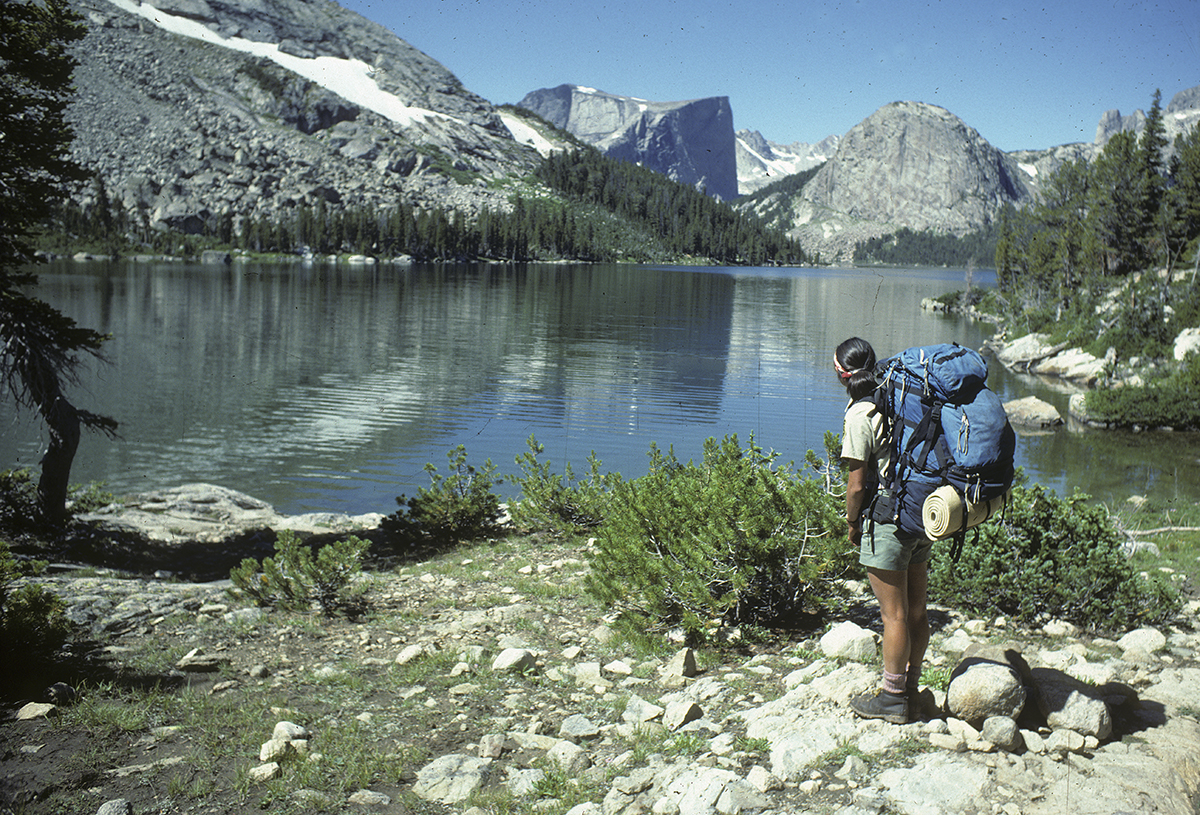
Grave Lake, Popo Agie Wilderness, Wind River Range, Shoshone National Forest, Wyoming (Photo by George Wuerthner)
This is an ambitious book by a much-published scholar and legal expert who has focused a significant amount of his work on public lands, especially national parks. Keiter is a professor and director of the Wallace Stegner Center for Land, Resources, and the Environment at the University of Utah’s S.J. Quinney College of Law. He has studied the GYE effort for decades and gathered a trove of information and insight about it that he shares in this book.
As he writes, “Seemingly endless political battles as well as court cases have been fought and refought over grizzly bears, wolves, bison, wildfire, logging, mining, drilling, grazing, subdivisions, snowmobiling, property rights, state sovereignty, and the list goes on.” All of these battles are described and analyzed from Keiter’s legal perspective with solid reference to science, politics, economics, and cultural evolution in his discussions — all in an accessible writing style.
The trail Keiter follows in telling the GYE story follows this route: What is the GYE and science behind the ecosystem-based management approach; what is the political-legal framework that has governed GYE conservation policy? He looks at how the two national parks have anchored the GYE landscape-scale approach to conservation, especially wildlife issues involving grizzly bears, wolves, bison, and elk, and the roles national forests and privately owned lands have played. Finally, he examines the impacts of ecosystem-based management on the GYE, what brought nature conservation to the fore as a regional priority, conservation challenges that lie ahead, and closes with a review of lessons from the GYE experience that might inform future conservation efforts there and elsewhere.
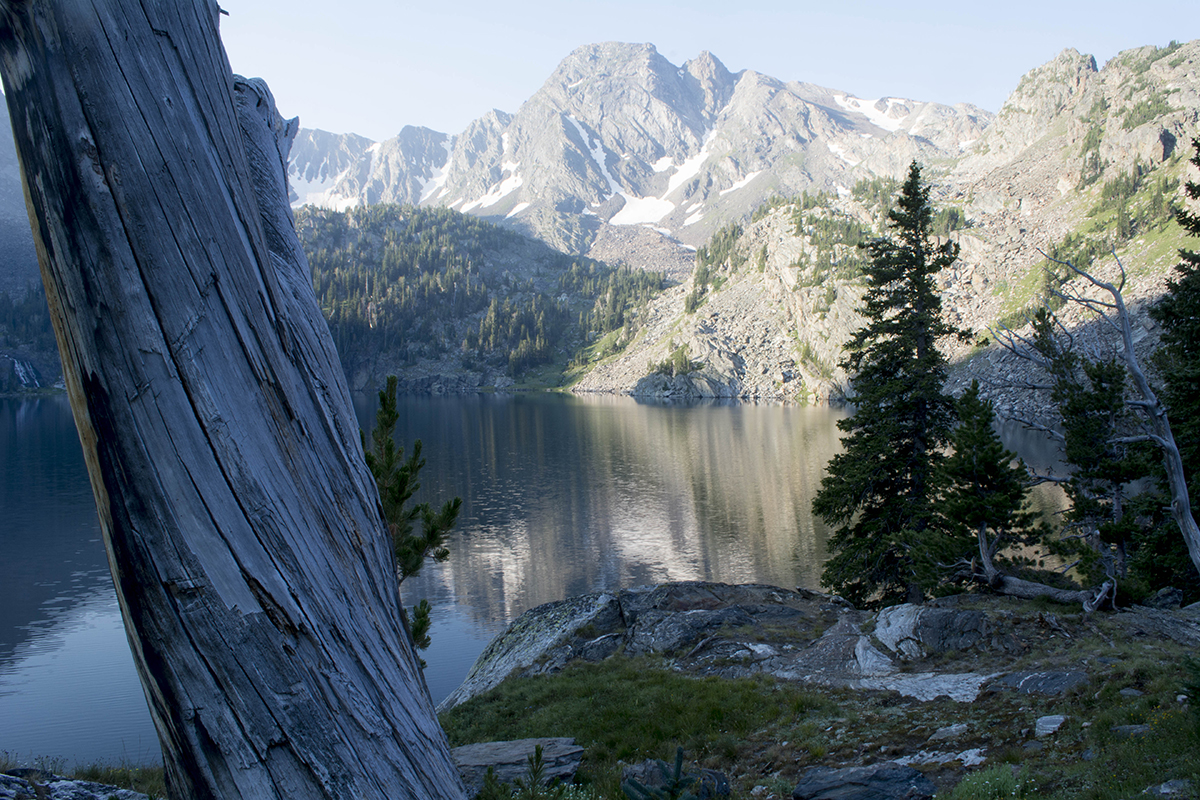
Pine Creek Lake and drainage, Absaroka Beartooth Wilderness, Gallatin National Forest, Montana (Photo by George Wuerthner)
Keiter is convinced the landscape-scale, ecosystem-based management approach is essential to preserving the “iconic” quality of the GYE featured in the book’s title, but he is under no illusions about the difficulties of such an approach even in such an exceptional place. He highlights the difficulties, for instance, in his examination of wildlife issues, especially those involving bison, elk, pronghorn, grizzly bears, and wolves. Lengthy chapters are devoted to the examination of the thorny issues involving restoring wolves/grizzlies and maintaining bison, elk, and pronghorn. He examines the contrasting approaches by managers and politicians to bison and elk: Where there is little tolerance for bison outside Yellowstone National Park because they might transfer the disease brucellosis to cattle, though they have not, while there is simultaneously considerable tolerance for elk, which have infected cattle with the disease. The reasons for the differences are cultural, and he explains well how such factors play into many GYE issues. Elk are a much-coveted game animal in the GYE, and bison, because of their relatively small wild population, are not. Bison have been slaughtered, even by the National Park Service, and by hunters outside the park, because of the perceived brucellosis threat. Elk are fed in winter in conditions that spread disease, while bison who wander and migrate outside the park are often killed. Efforts to move bison to Native American tribes who want them are stymied by politicians beholden to ranchers. Hunters and ranchers have considerable power in the GYE, adding layers of difficulty to resource management policy.
Despite the difficulties, Keiter documents progress and hope for continuing conservation of transcendent values in this exceptional region. He writes, “Federal land management agencies have plainly evolved in their approach to the GYE.” National forest management and even, to a lesser degree, the Bureau of Land Management, have shifted from commodity production as a priority to more ecological management approaches. Also, “Over time the GYE’s communities and residents have come to recognize that their economic and social well-being is linked to the area’s natural attributes.” Yet because elk, deer, bison, pronghorn, and wolves are under state management in Idaho, Montana, and Wyoming, which follow the North American Model of Wildlife Management based upon hunting and fishing license revenues and emphasize game animals and consumptive uses, state support for ecological management in their portions of the GYE is inadequate. Additionally, “State-level politics suffuse nearly every GYE conservation issue, driven by powerful state sovereignty and simmering anti-federal sentiments evident within the three GYE states.” There is no coordinated regional planning and management plan across all jurisdictions.
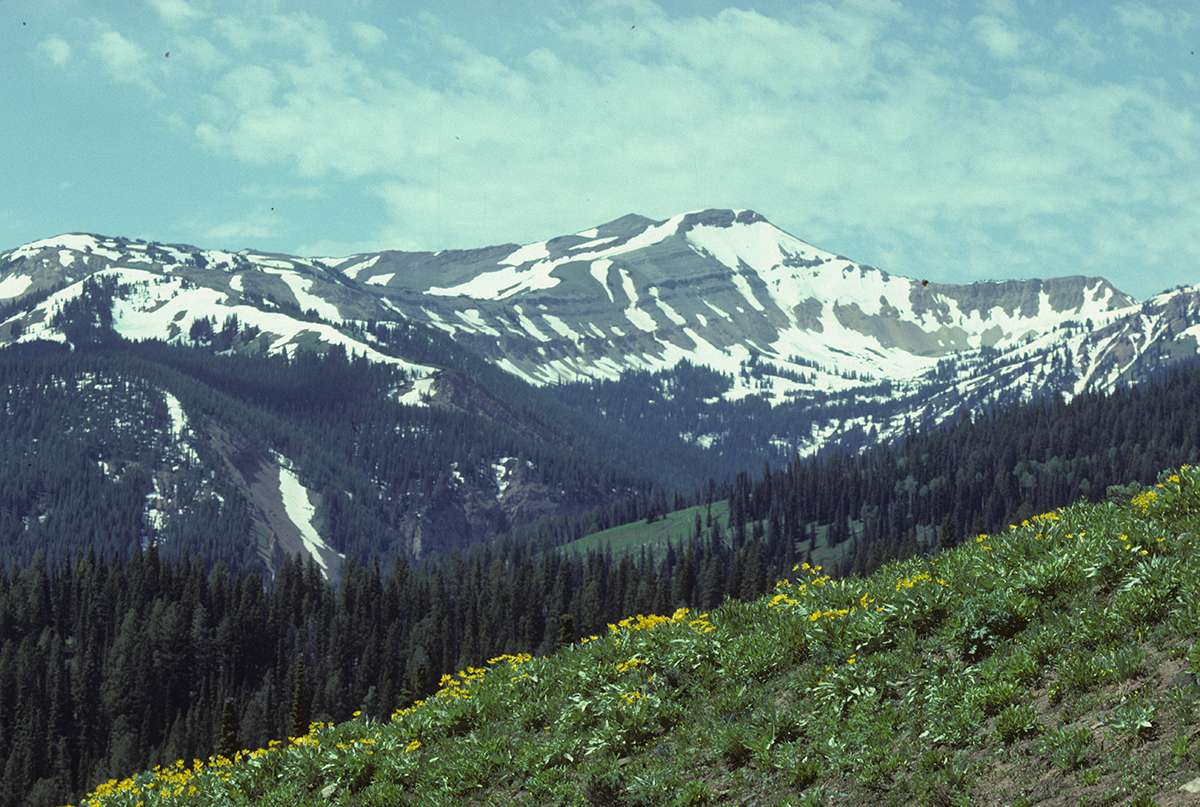
Grayback Ridge roadless area in Wyoming Range, Bridger Teton National Forest, Wyoming (Photo by George Wuerthner)
Despite the challenges and setbacks Keiter describes, he seems optimistic. He finds hope in initiatives beyond the boundaries of the GYE, such as the Yellowstone to Yukon project, Northern Rockies Ecosystem Protection Act (yet to be approved by Congress), and the private American Prairie, which has been successful in creating a three-million-acre wildlife reserve in the northern plains.
In his conclusion, Keiter writes, “Having come this far in maintaining and restoring the GYE’s natural attributes, we must recognize that the decisions made today will be critical to sustaining that progress and propelling it forward.” This being so, readers in 2026 may feel despair, because what the Trump administration is doing to federal land management is moving in the opposite direction from measures Keiter has documented that have improved the situation of wildlife and wild lands in the GYE. In Keiter’s account, the greatest hope for future conservation seems to lie with progress in federal government thinking and management policies that, sadly, are now being reversed. A cloud hangs over anyone reading a book like this during the second Trump administration, but read it we must to understand the damage being done to federal programs that were moving toward essential, ecologically and scientifically informed management in the GYE. Read this book to be informed about what those programs need to be in a post-Trump future.
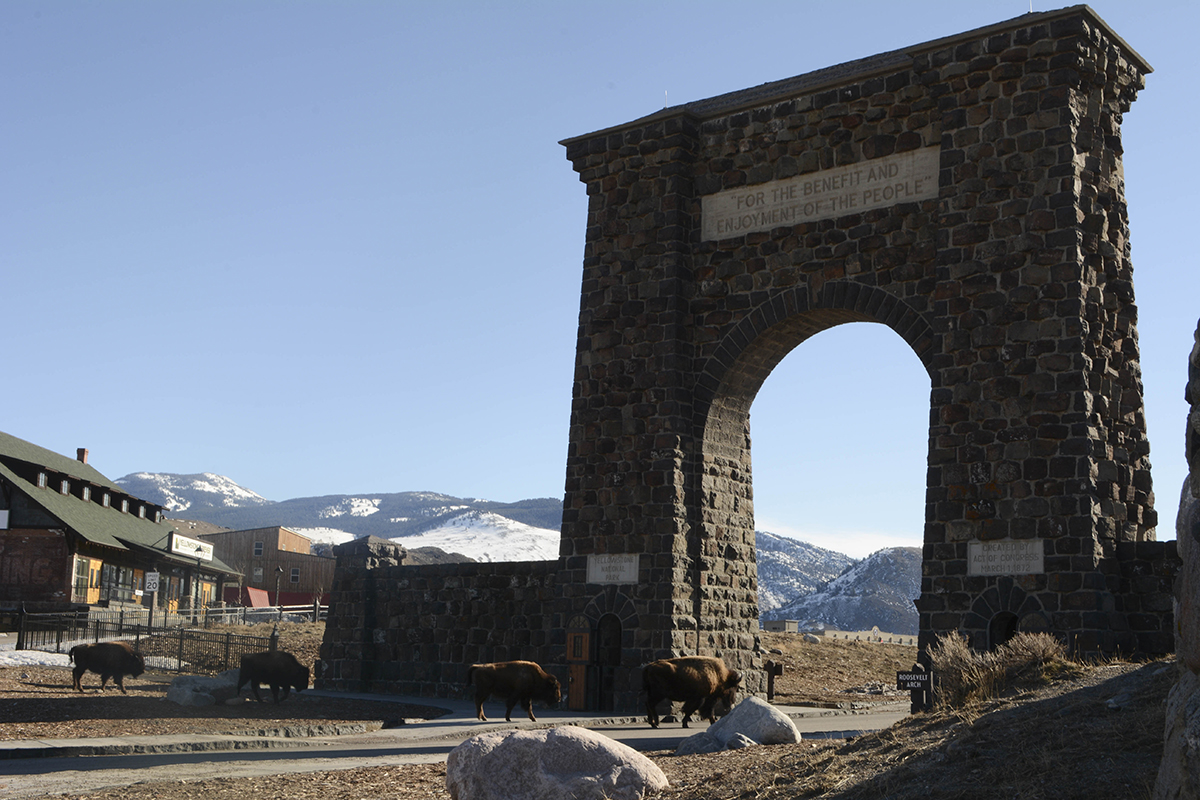
Bison going through arch, Gardiner, Montana (Photo by George Wuerthner)
Conserving Nature in Greater Yellowstone is far more than an account of what has happened to the effort to protect natural values in the GYE region. It is an analysis of emerging ideas that should not be buried in the current retreat from science and conservation. Keiter cites five ideas that have shaped the story of the GYE:
- Nature is dynamic and in constant flux,
- “Science has confirmed that the natural world is comprised of interconnected ecosystems that transcend the boundaries humans have placed on the landscape,”
- “Increasingly evident climate- and biodiversity-related impacts are further expanding our understanding of the necessary scope of conservation efforts,”
- Recognizing both intrinsic and instrumental value of the natural world, we have committed to leaving some of it undisturbed, and
- “We have come to realize that these nature conservation efforts regularly bring significant economic and social value to nearby communities, though negative impacts can occur too.”
Tourists flock to the GYE because it is still relatively undisturbed and the home of some of the most valued species of wildlife and the most beautiful scenery in the U.S. If people are to enjoy the swift lope of the pronghorn, the wild being of the wolf, the power of the grizzly, and the majesty of elk and bison, big conservation initiatives like those in GYE must continue. For that to happen, there and elsewhere, people need to read this book to understand what is at stake, what has been and can be done to assure a future in which their children and grandchildren can enjoy the values of such places, and what must be done now, in the short term, to keep moving in the right direction in the face of stiff opposition.
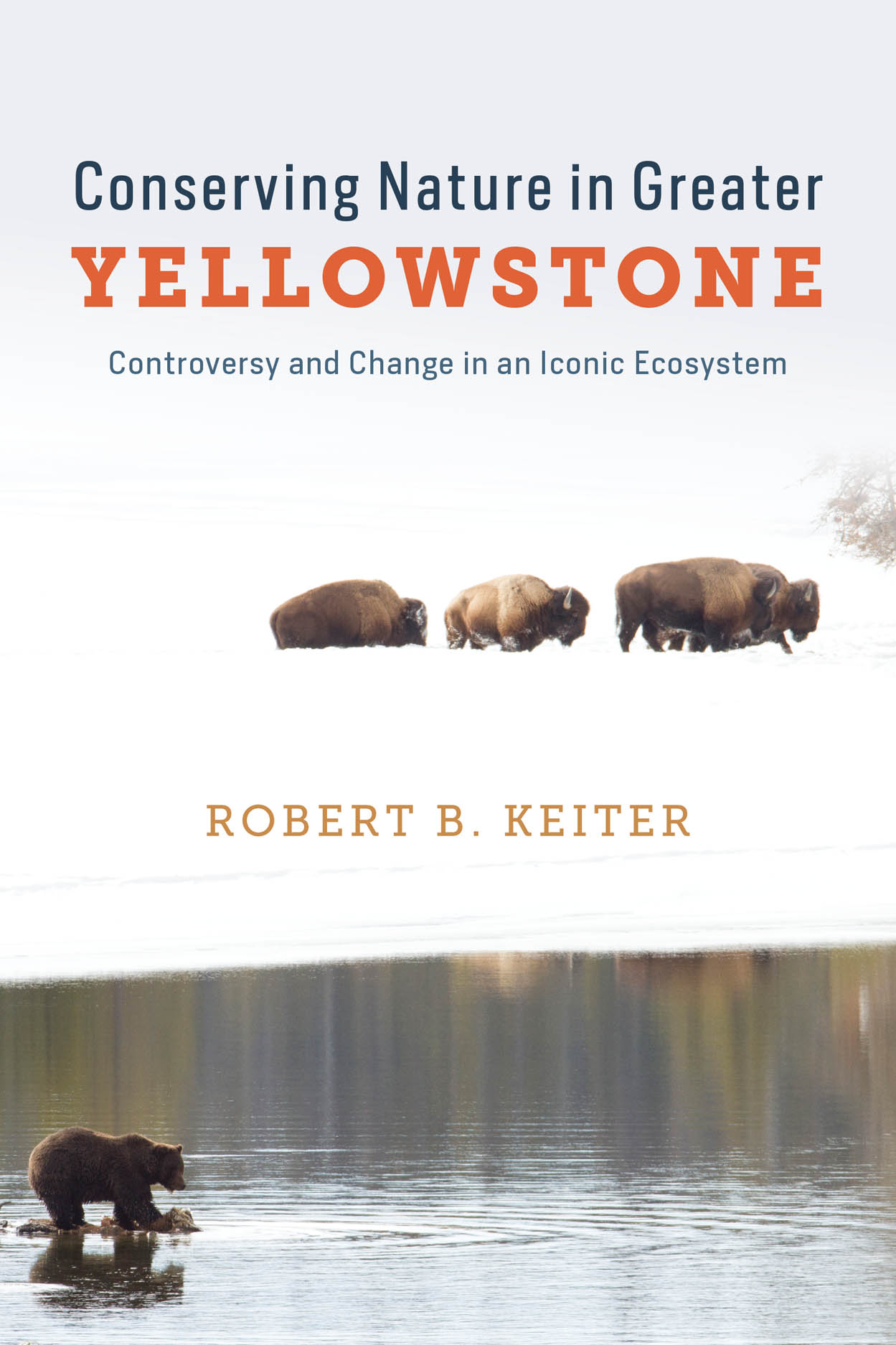
Get your copy of Conserving Nature in Greater Yellowstone: Controversy and Change in an Iconic Ecosystem here.
David Brower, then Executive Director of the Sierra Club, gave a talk at Dartmouth College in 1965 on the threat of dams to Grand Canyon National Park. John, a New Hampshire native who had not yet been to the American West, was flabbergasted. “What Can I do?” he asked. Brower handed him a Sierra Club membership application, and he was hooked, his first big conservation issue being establishment of North Cascades National Park.
After grad school at the University of Oregon, John landed in Bellingham, Washington, a month before the park was created. At Western Washington University he was in on the founding of Huxley College of Environmental Studies, teaching environmental education, history, ethics and literature, ultimately serving as dean of the College.
He taught at Huxley for 44 years, climbing and hiking all over the West, especially in the North Cascades, for research and recreation. Author and editor of several books, including Wilderness in National Parks, John served on the board of the National Parks Conservation Association, the Washington Forest Practices Board, and helped found and build the North Cascades Institute.
Retired and now living near Taos, New Mexico, he continues to work for national parks, wilderness, and rewilding the earth.

