
Episode 171: The Hidden Universe of Springs with Larry Stevens
April 3, 2026
Podcast: Play in new window | Download | Embed
Subscribe to Rewilding Earth Podcast: Apple Podcasts | Spotify | Amazon Music | iHeartRadio | Email | Youtube Music | RSS | More
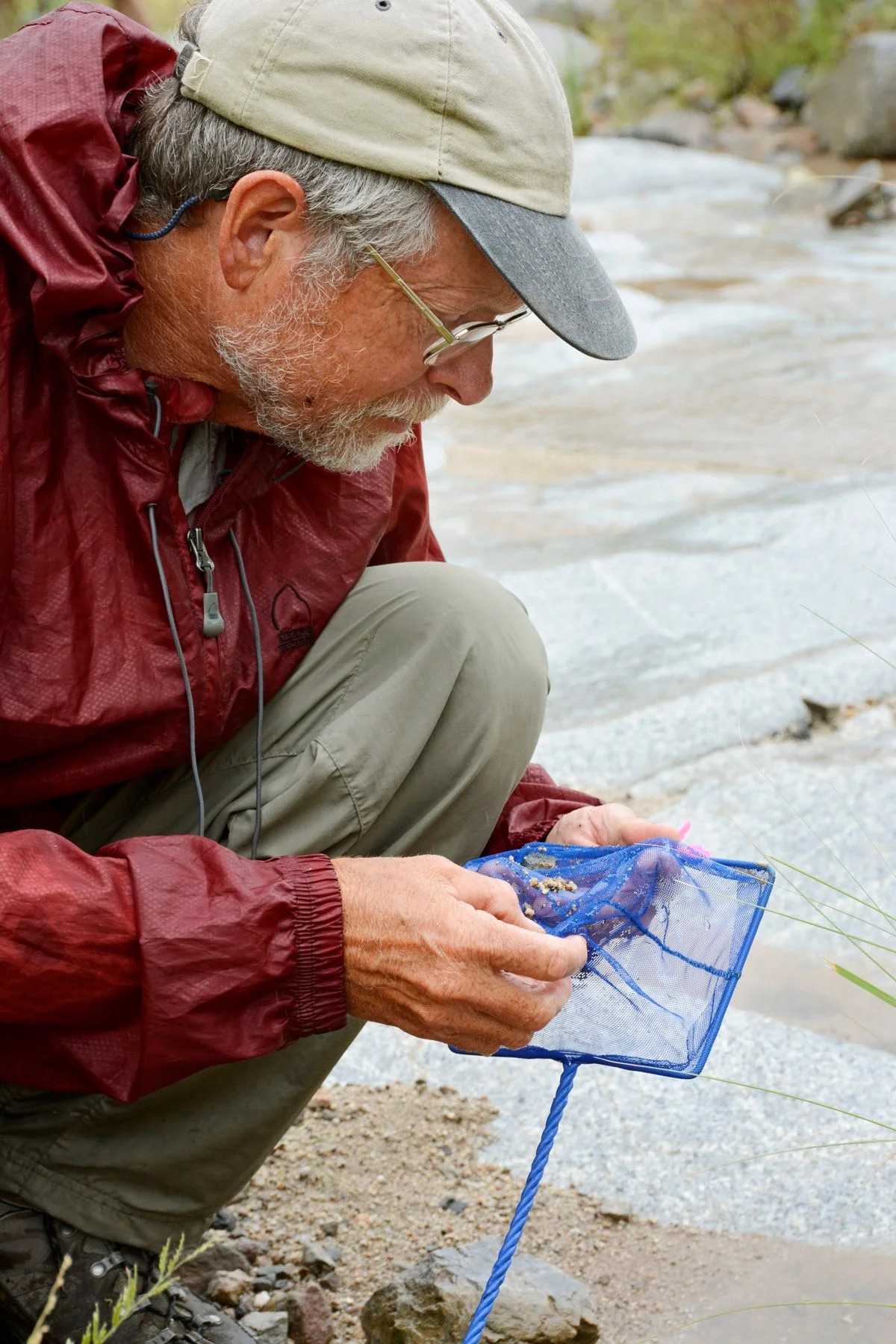
Dr. Larry Stevens, director of Springs Stewardship Institute
Dr. Larry Stevens is the curator of ecology at the Museum of Northern Arizona and the director of Springs Stewardship Institute (SSI). He received his Ph.D in zoology from Northern Arizona University in 1989, and served as the ecologist for Grand Canyon National Park from 1989 to 1994. Well-respected in the field of ecology, Dr. Stevens was the editor for Red Lake Books, served on many ecological councils in Arizona, conducted research on biogeography and springs ecology, and published extensively in peer-reviewed journals. Learn more about Larry’s work here.
Episode 171 Summary
In this episode, Jack sits down with Dr. Larry Stevens to discuss the “hidden universe” of springs. Despite being keystone ecosystems that support a massive array of biodiversity and provide the critical base flow for the world’s major rivers, springs are largely unmapped, misunderstood, and managed as mere “hydrologic commodities.” Larry details the urgent need for a global conservation shift, the launch of an IUCN Global Task Force, and how everyday hikers can contribute to vital mapping efforts.
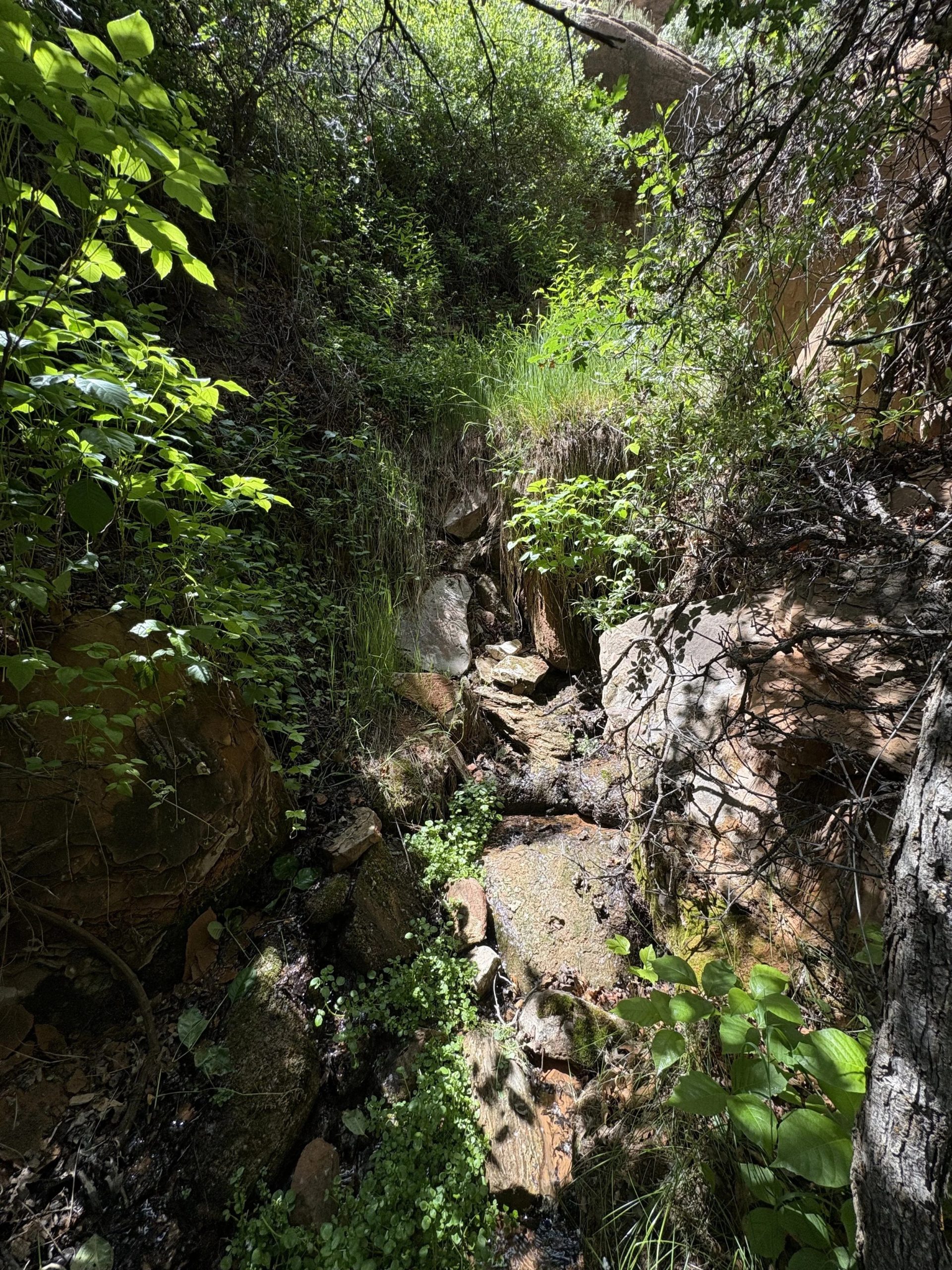
Photo Courtesy of Springs Stewardship Institute
“Springs are 99.999% surface water, but they have their own internal biology… species that don’t occur anywhere else in the landscape except at those tiny patches.” —Larry Stevens
Key Talking Points & Insights
1. The “Keystone” Reality of Springs
- Small footprint, massive impact: Larry describes springs as “keystone ecosystems” — small points in the landscape that are disproportionately interactive and ecologically vital.
- Point sources of biodiversity: They host unique internal biology (stoneflies, mollusks, etc.) and serve as essential watering holes for apex predators and migrating birds.
- The “Archipelago” Model: Unlike broad conservation targets (like the Grand Canyon), springs function as a scattered network of “island-like patches” where small management interventions can yield massive ecological gains.
2. The Invisible Foundation of Water Systems
- Base Flow for Giants: Contrary to popular belief that rivers are purely snowmelt-driven, roughly 50 percent of the Colorado River’s flow is groundwater fed by springs. This holds true for the Amazon, Mississippi, and Yangtze as well.
- Integrated Weather Pattern Alteration (IWPA): Larry uses this term to describe the impact of climate change on snowpack and groundwater infiltration, which threatens the perennial nature of these sites.
3. The “Information Gap” & Mapping Crisis
- A “Deplorable” State of Data: Most countries (including Canada and much of Africa/South America) have no formal springs program or accurate maps.
- Undiscovered Wonders: Larry estimates there are 20 to 30 million springs on Earth, many of which remain novel finds even in relatively well-trodden areas like the Sierras.
- Deep Sea Springs: The conversation extends to the seafloor, where vent springs host unique life but are currently threatened by remote mining operations.
4. Economic and Cultural Significance
- The Billion-Dollar Resource: From the $30B bottled water industry (a third of which is labeled “spring water”) to the $65B hot springs resort industry, the economic value of springs is staggering yet unrecognized.
- Foundation of Civilization: Larry posits that ranching and farming in North America would not exist without springs; nearly every historic farm on the East Coast was founded on one.
5. Global Policy: Motion 16
- IUCN Elevation: SSI successfully passed a motion with the International Union for Conservation of Nature to elevate springs to a global conservation concern.
- Global Task Force: Led by Joseph Holloway and Heidi Vander, this team is developing standardized plans for every nation to begin mapping, assessing, and managing their springs.
6. Call to Action: Gamifying Discovery
- Citizen Science: Jack and Larry urge hikers to “drop a pin and take a photo.”
- SpringsData.org: Listeners are encouraged to visit the Springs Stewardship Institute’s portal to report unreported springs, which helps managers understand the “array of integrity” in their landscapes.
Extra Credit
- Visit the Springs Stewardship Institute website.
- Check out the Springs Stewardship portal and contribute your own spring findings to the growing database!

Director of Digital Outreach (D.O.D.O.) for The Rewilding Institute
Host and Producer of the Rewilding Earth Podcast
Jack started Rewilding work as Executive Director of Sky Island Alliance in the mid-1990’s, organizing the Sky Island Wildlands Network design, ripping up illegal roads on forest service lands, installing wolf acclimatization pens on Ted Turner’s Ladder Ranch & conducting howling surveys to help make way for the final stage of the Lobo reintroduction program in the Southwest.
Through the years, Jack has worked with Dave Foreman and the Rewilding Gang to further Rewilding initiatives and education.