
Episode 173: Laiken Jordahl on the Battle for Big Bend
May 1, 2026
Podcast: Play in new window | Download | Embed
Subscribe to Rewilding Earth Podcast: Apple Podcasts | Spotify | Amazon Music | iHeartRadio | Email | Youtube Music | RSS | More
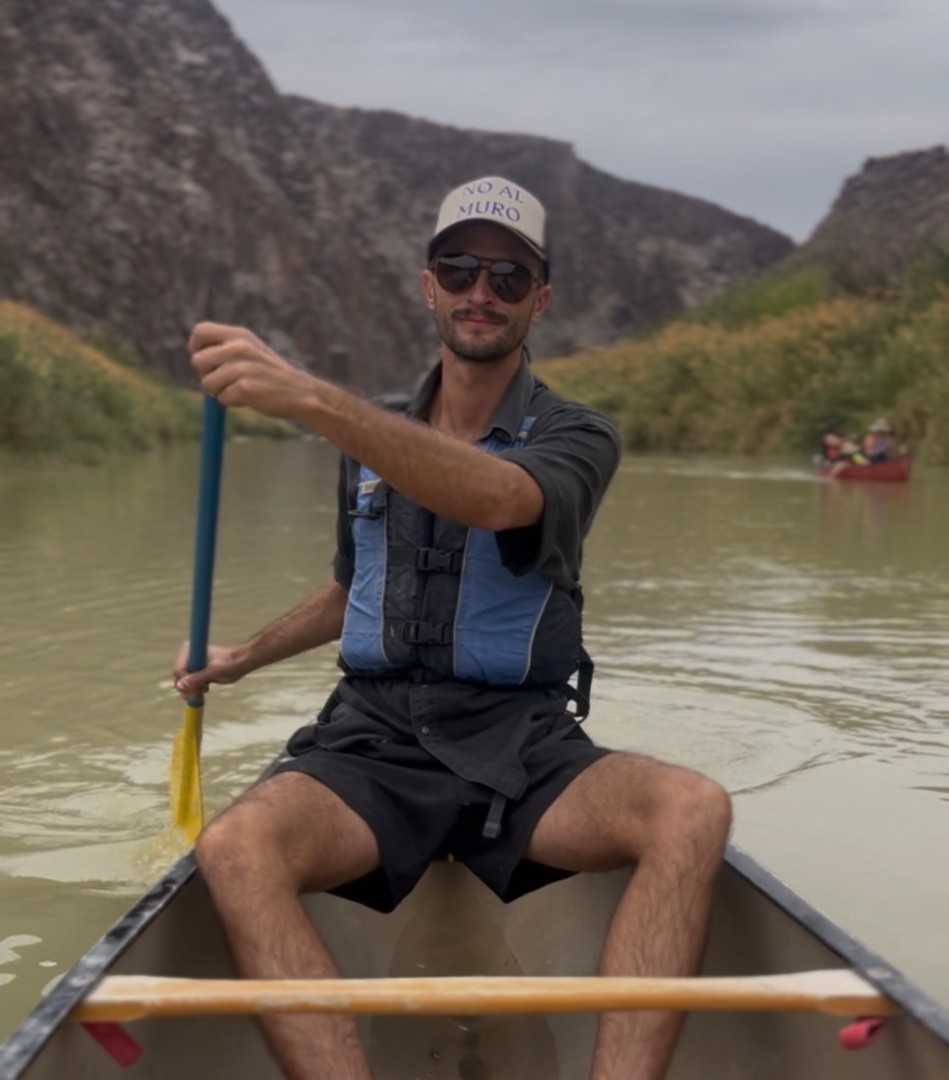
Laiken Jordahl (Photo courtesy Laiken Jordahl)
Episode Summary
Jack Humphrey and the Rewilding Earth podcast sit down with the Center for Biological Diversity’s National Public Lands Advocate Laiken Jordahl to discuss the current administration’s plan to extend border wall construction to Big Bend National Park and the West Texas borderlands. This is an immediate, gargantuan threat to one of America’s most iconic “crown jewel” landscapes.
Beyond the political friction, we explore the dire ecological consequences — specifically the severing of wildlife access to the Rio Grande and the depletion of ancient desert springs for concrete production. We dive into the unexpected, non-partisan groundswell of opposition that has united conservationists, Republican sheriffs, ranchers, and local landowners. And we take a sobering look at the “test” of public lands sanctity.
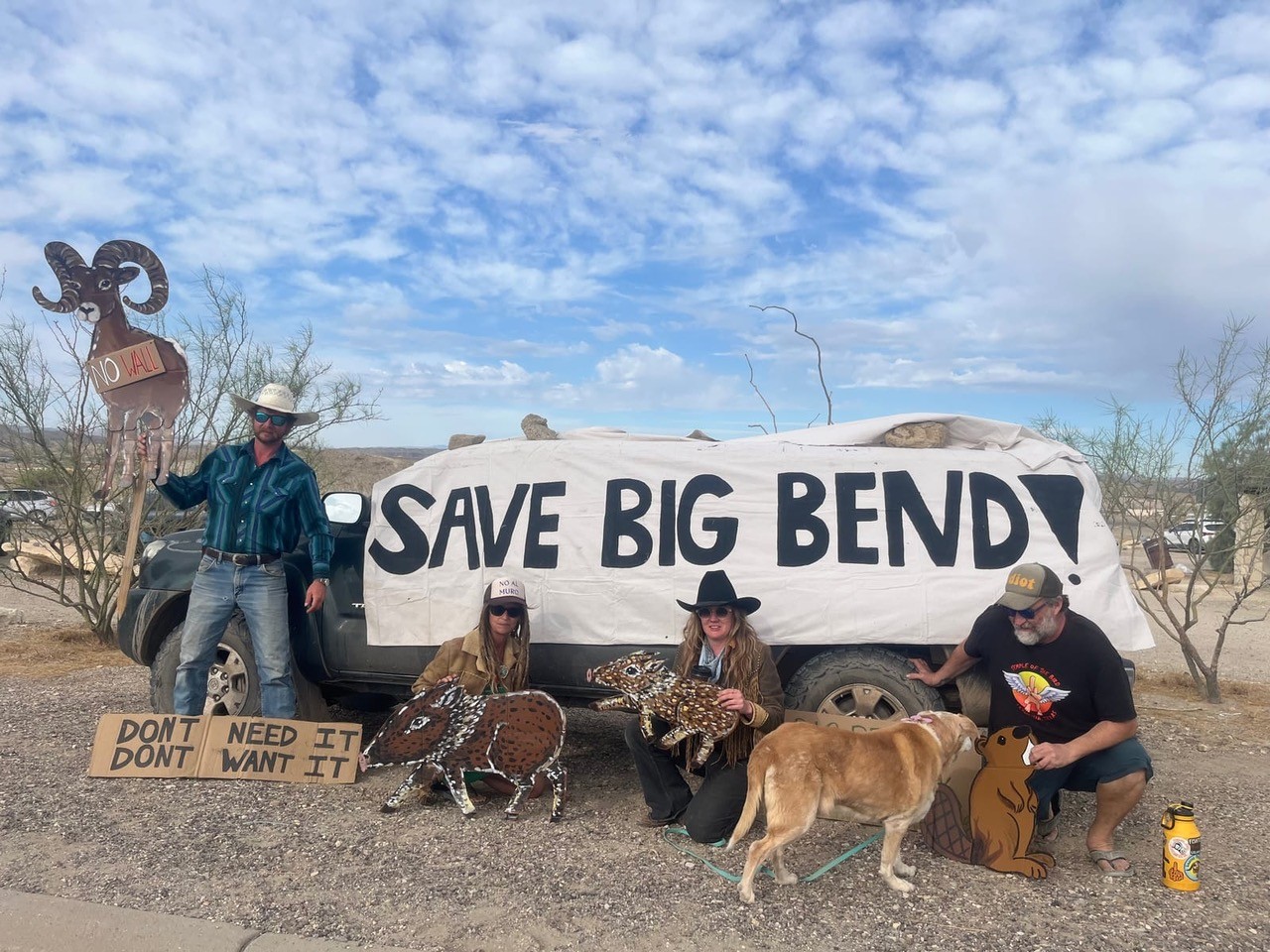
Photo by Laiken Jordahl
1. The Crown Jewel Under Siege
- National Park Vulnerability: Despite being a national park, Big Bend is facing the threat of wall construction and militarization, challenging the idea that these lands have “permanent” protection.
- The “Soul” of the Landscape: Building a wall in this sector would physically cut off the U.S. side from the Rio Grande, effectively eviscerating the heart of the park’s ecosystem and recreational identity.
2. An Unusual Coalition
- The Bipartisan Shield: The fight in Big Bend has created a new coalition where political labels are being dropped in favor of land defense. Republican judges and local sheriffs are standing alongside environmentalists to protect what they call “God’s Country.”
- Healing Divides in Texas: Laiken notes that the shared threat to their homeland has healed long-standing community and family grudges sparked by the 2024 election.
3. Ecological and Cultural Devastation
- Water as a Weapon: Construction crews are drilling into precious desert aquifers and springs (like those at San Bernardino) to mix concrete, threatening endemic endangered fish and sacred indigenous sites.
- Wildlife Corridors: A wall would prevent javelina, deer, bears, and mountain lions from reaching their only reliable water source — the river — leading to a “biological massacre” in the high desert.
4. The “Private Equity” Government
- Liquidation of Public Assets: The current administration is criticized for viewing public lands as “balance sheets” or assets to be liquidated rather than a national heritage to be preserved.
- The “Map” Problem: Decisions are being made by bureaucrats in D.C. who view the border on a map without understanding the rugged topography or the people who live there.
5. A New Vision for Restoration
- National Restoration Areas: The conversation shifts toward the future of conservation, proposing that scarred public lands should be designated as restoration areas to put people to work rewilding the landscape.
- Expanding Access: Both Jack and Laiken agree that the ultimate defense for public lands is getting more people — especially those in urban centers — connected to nature so they have something to “fall in love with” and fight for.
Extra Credit
- Visit: NoBigBendWall.org
- Action Item: Push Congress for appropriations legislation that restricts federal funds from being used specifically for walls in the Big Bend sector.

Director of Digital Outreach (D.O.D.O.) for The Rewilding Institute
Host and Producer of the Rewilding Earth Podcast
Jack started Rewilding work as Executive Director of Sky Island Alliance in the mid-1990’s, organizing the Sky Island Wildlands Network design, ripping up illegal roads on forest service lands, installing wolf acclimatization pens on Ted Turner’s Ladder Ranch & conducting howling surveys to help make way for the final stage of the Lobo reintroduction program in the Southwest.
Through the years, Jack has worked with Dave Foreman and the Rewilding Gang to further Rewilding initiatives and education.
