
Surtsey: A Case Study in “Self-Willed Land”
March 27, 2026
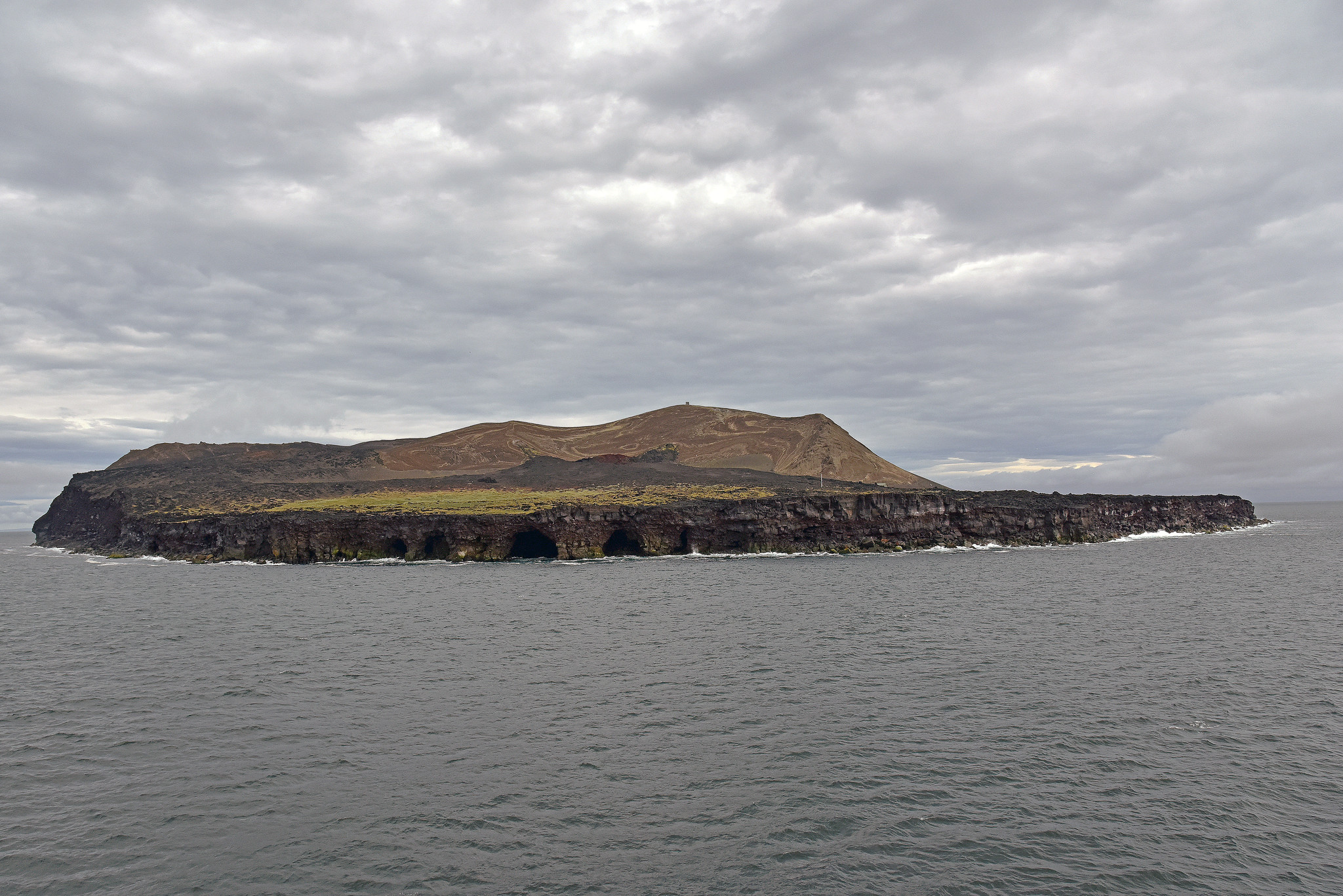
Surtsey. Photo by Harvey Barrison, CC BY-NC-SA 2.0
Dave Foreman often reminded us that “wilderness” means “self-willed land” — land where natural processes are left alone to unfold as they will. But is this an unattainable ideal in a world where every square inch of the globe is affected by anthropocentric climate change, microplastics, and sky brightening due to space junk? As defenders of wilderness, we are all too familiar with the objection that nowhere on Earth is “pristine” anymore.
Instead of arguing about the wilderness concept in an abstract or idealistic sense, I propose considering a case study in which scientists openly describe their work as protecting a landscape and its ecological processes free from human interference: the island of Surtsey.
Lying just southwest of Iceland, the volcanic island of Surtsey was “born” in the 1960s. Scientists quickly recognized a unique opportunity to observe colonization and succession in action, and Surtsey has subsequently spent its 60-odd years protected from tourism, agriculture, development, and all other forms of human exploitation. Only a few researchers are permitted to visit and seasonally inhabit the island under strictly controlled conditions.
The UNESCO World Heritage Centre describes Surtsey as a “pristine natural laboratory, free from human interference,” explaining, “The purpose of strictly prohibiting visits to Surtsey is to ensure that colonization by plants and animals, biotic succession, and the shaping of geological formations will be as natural as possible and that human disruption will be minimized.” Evidently, the World Heritage Centre has not been deterred by those anti-wilderness voices who would have us give up and relent to the Anthropocene.
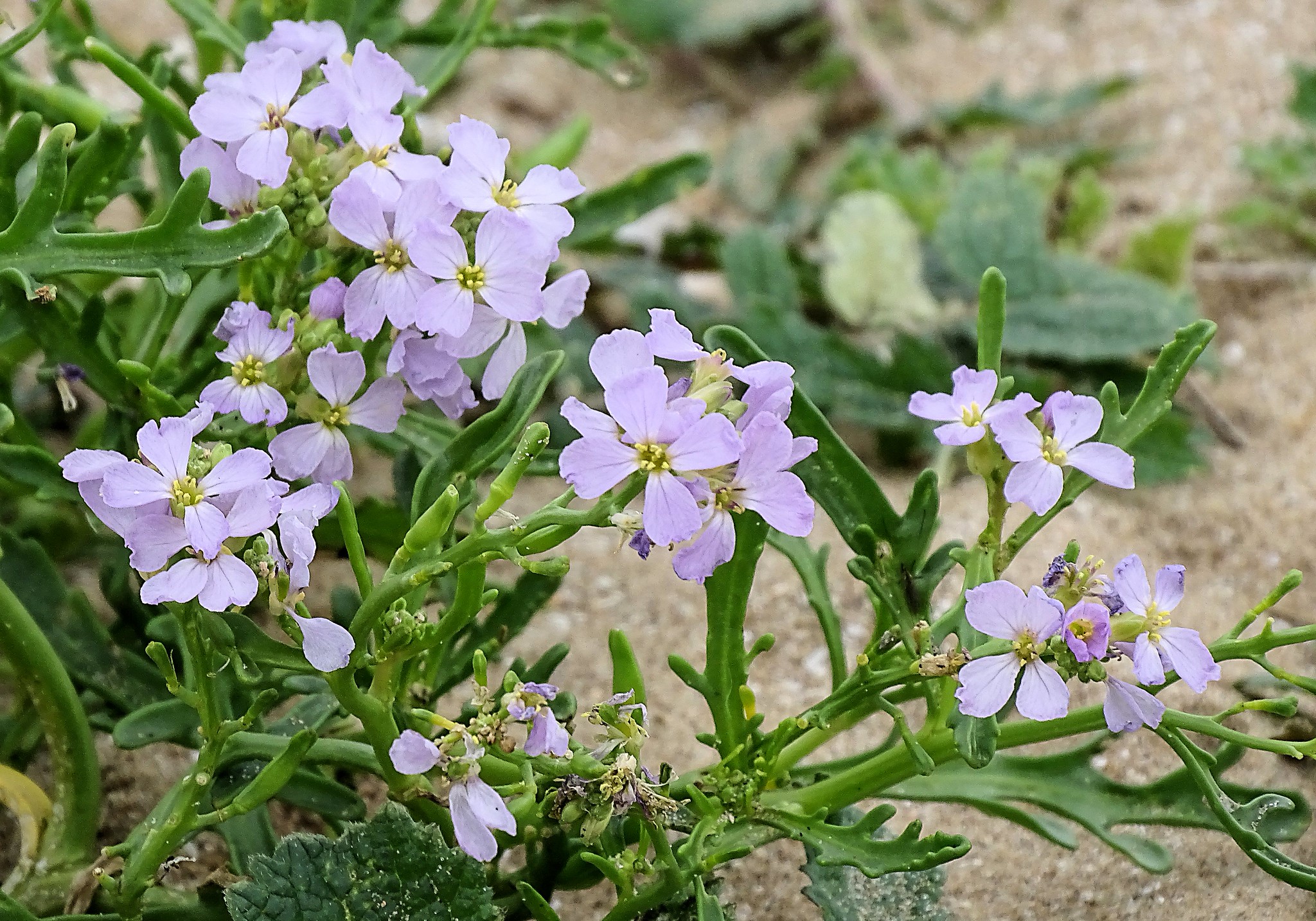
This commitment to stand back and observe has resulted in some surprising findings. For example, contrary to scientists’ initial suppositions, the first primary producers to colonize Surtsey were not mosses but vascular plants. Indeed, sea rocket — a flowering plant usually associated with sand dunes — washed ashore from the Icelandic mainland and took root before the volcano had even finished erupting. Another surprise came with the outsized importance of birds as agents of seed dispersal. Gulls arrived on Surtsey in the 1980s, with bellies full of seeds that they would soon excrete and fertilize with their own guano. Birds have often been assumed only to distribute the seeds of fruit-bearing plants through their feces; the gulls of Surtsey, however, seeded the young island with grasses.
In “Wild Things for their Own Sake,” Foreman wrote that we must “show restraint […] by leaving some lands and wildlife alone, by not stamping our will on them,” so that other lifeforms can “follow their own path as cobbled out by evolution, ecology, and happenstance.” Humanity has done exactly this in the case of Surtsey, proving that such restraint is possible when we have the will.
Granted, Surtsey is diminutive by rewilding standards — at around 130 hectares (0.5 square miles), it is just over a third of the size of Central Park — and the young island has already been growing smaller due to erosion. Nonetheless, I believe that we can use this real-world case study to hone our intuitions: If we agree that it was good to strictly protect Surtsey so as to watch natural processes unfold, we can go on to ask how much additional land ought to be similarly protected. Instead of invoking contentious and abstract terms like “wilderness” or “self-willed,” we can simply say “like Surtsey.”
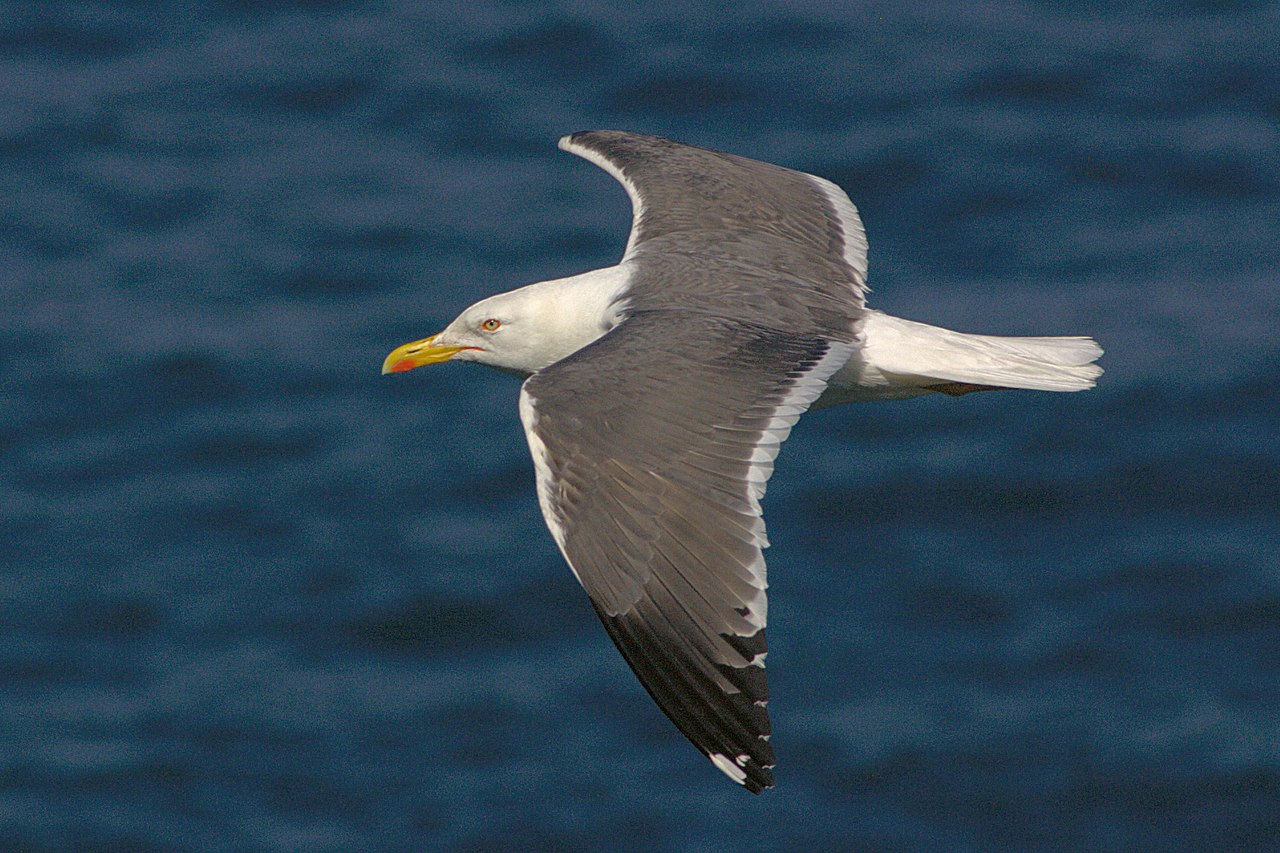
A lesser black-backed gull, the most common gull species to colonize Surtsey. Photo by Henry Bucklow / Wikimedia Commons
Of course, there will be important disanalogies: Surtsey emerged from the ocean as a blank slate; in contrast, any other potential conservation area already harbors ecosystems that reflect centuries or millennia of adaptation and change. However, there is no reason in principle that our curiosity about natural processes should be limited to the colonization of newly formed islands. Perhaps we’re also curious about how nature, left alone, would recover from past disturbances, or adapt to climate change, or develop in ways we might never have thought to ask about. Foreman himself often expressed wonderment at the natural unfolding of evolution. In the essay cited above, for example, he called for the protection of areas where “evolution is free to unfold for wild things in its own unhobbled, eerie way.”
This aspiration doesn’t require a newly formed island. Evolution can happen anywhere with genetic variation and selection pressures — from our cities to our pesticide-laden crop fields to our antibiotic-laden bodies. How much protected area should we set aside to witness how evolution will unfold when (to the extent possible) we keep our hands off?
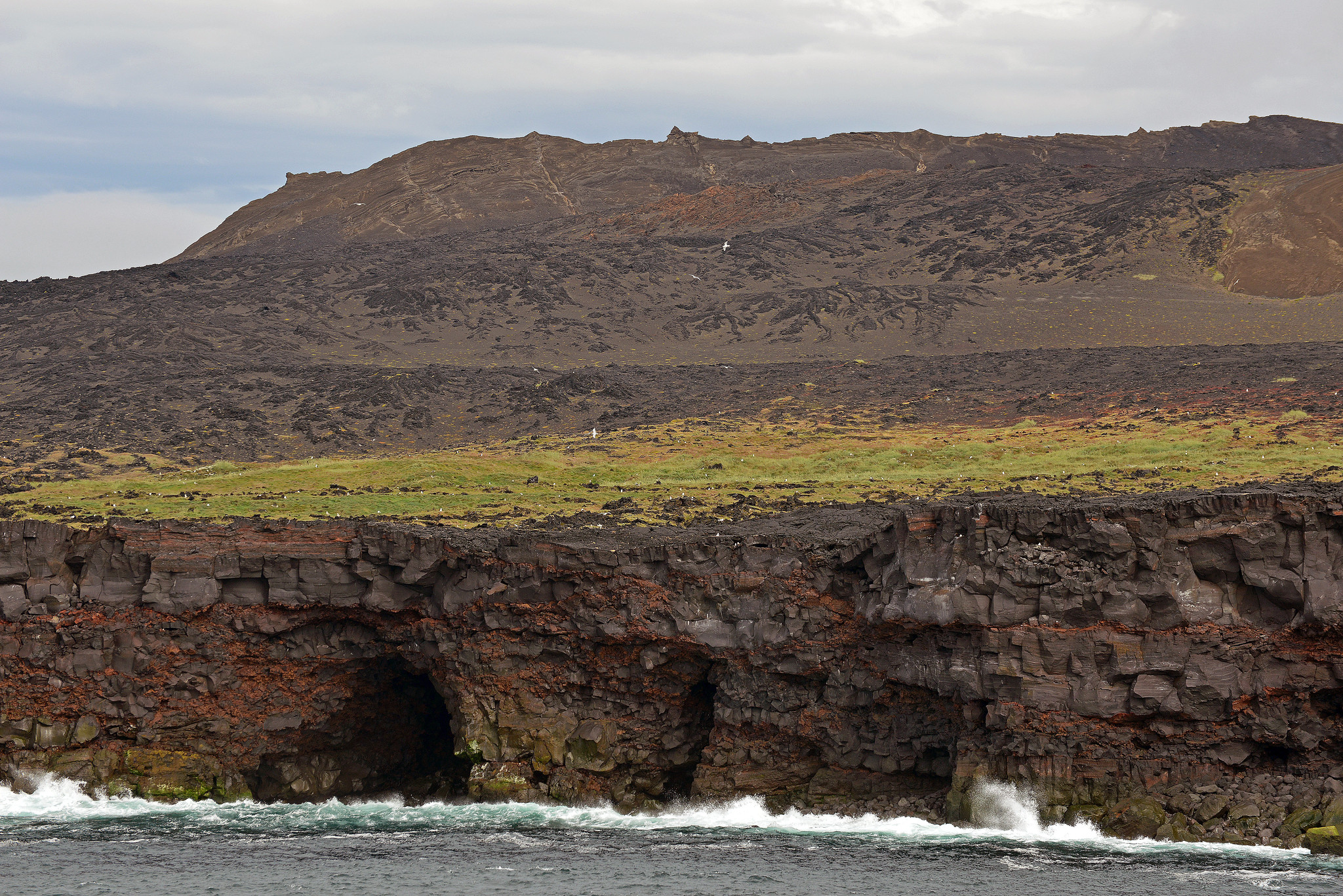
Surtsey grassy area. Photo by Harvey Barrison, CC BY-NC-SA 2.0
We can again look to islands for insight. Michael Soulé once posed the question of whether existing nature reserves are “large enough to permit speciation in higher vertebrates and plants” and suggested that this problem could be readily answered empirically: “All that is necessary is to determine the size of the smallest island on which a particular taxon has speciated autochthonously.” According to Soulé, a reserve would need to be roughly the size of Madagascar to permit speciation within all lineages, including large mammals. In other words, the required land area would be more than 400,000 times the size of Surtsey.
I presume that many people understand Surtsey’s fascination, even if they are not otherwise concerned with wilderness protection. This difference in scale, however, guarantees that any proposal to realize the aspirations of Foreman and Soulé would provoke incredulous stares and countless suggestions on how the land could be “better used” — from food, energy production, and data centers for a growing human population, to intervention in nature for the sake of conservation-dependent species.
We must be prepared, then, to justify why we should prioritize devoting scarce land to allowing evolution “to unfold for wild things in its own way.” Is it a consequence of ecocentric moral commitments, or is it simply human curiosity and wonder? Given the surprises that even tiny Surtsey has revealed to science, it is hard to dismiss “mere” curiosity and wonder as bad motivators — but how must they be balanced against other considerations? For now, I leave these questions for the reader’s consideration.
Kate McFarland is a former board member of The Rewilding Institute. Her rewilding-related interests subsequently settled on feathered fauna and flyway conservation, with accompanying interests in noise and light pollution mitigation, as well as non-anthropocentric conservation ethics.
