
Tales of Earthly Doom and Catastrophe? Rubbish!
June 5, 2026
I claim that, like Half-elven Lord Elrond, I “was there at the beginning.” In this case, when, at a meeting in Michigan in 1985, Michael Soulé asked those gathered if we should found a Society of Conservation Biology. We did. Forty years later, I occupy the first-ever chair of conservation at Duke University. Like old men everywhere, I thought it was time to write my memoir and ask what conservation science has achieved since then and how to improve upon what we have. The short answers are “a lot” and “a lot more hard work.”
What are we getting for all the efforts of the conservation enterprise? Headlines exclaim that the biosphere is “well outside a safe operating space,” a “catastrophic 73 percent decline in the average size of monitored wildlife populations over just 50 years,” and “a system in peril.” They imply that Earth’s species are declining at a rate so dire that conservation efforts are failing. In essence, too little, too late; sustainable boundaries for saving nature have been irreversibly broken.
Biodiversity loss is real and serious. When Al Gore wrote in An Inconvenient Truth that species are going extinct a thousand times faster than they should, he was quoting a 1995 review article that, with colleagues, I published in Science (see reading list below). But that said, alarmist claims of global, catastrophic wildlife collapse and imminent ecological tipping points are not supported by the data. Worse, they distract from practical, evidence-based conservation action.
In early 2026, my colleagues and I published new research as a triptych of papers in the Proceedings of the Academy of Sciences, the Proceedings of the Royal Society, and Science Advances. We first considered the claims of doom, then examined the successes and failures of conservation, and then what the public is being told about the conservation enterprise.
We do not arrive at our conclusions lightly or naively. Our decades-long work for NGOs, governmental agencies, and academic research institutions has and remains intently focused on successful animal and plant conservation science, policy, and global public support.
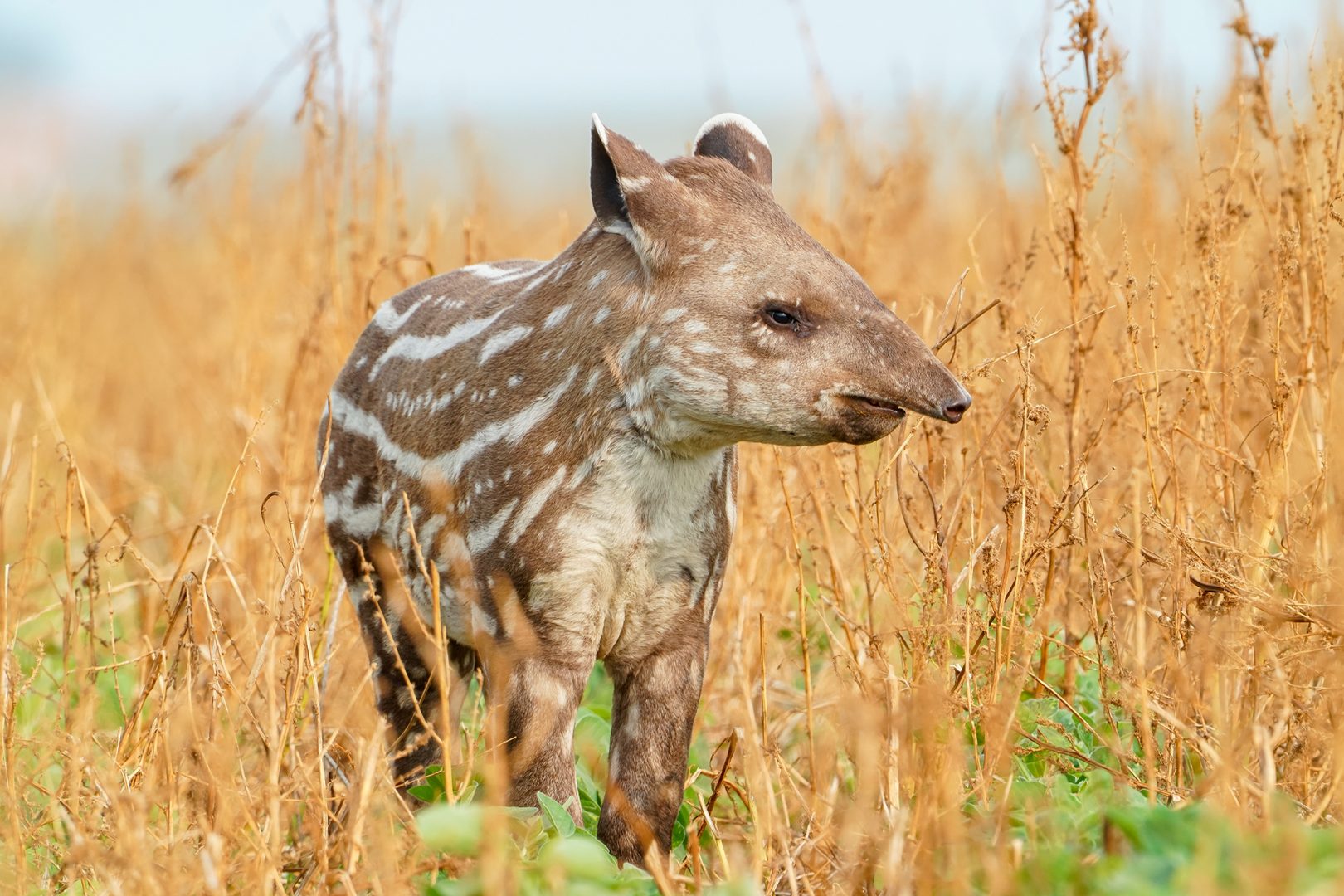
Photo by Christopher Borges / CC BY-SA 4.0, Wikimedia Commons
Claims of universal doom are unfounded
Consider a prominent global biodiversity metric — the Living Planet Index (LPI). Promoted by the World Wildlife Fund as the gold standard, the Index is calculated using population time series gathered from more than 30,000 measures published in a variety of sources, including journals, online databases, and government reports. In essence, it is an indicator of global species and population changes, consistently monitoring and reflecting planetary biodiversity, analogous to a stock market index that tracks the value of shares.
The 2024 Living Planet Report quotes an average 73 percent decline in monitored vertebrate populations globally over the past 50 years, a figure often cited as evidence that Earth has exceeded a “safe operating space” for biodiversity. This statistic has become an influential driver of international policy mandates, including the Convention on Biological Diversity and the Kunming-Montreal Global Biodiversity Framework. It is used by dozens of conservation organisations worldwide, which collectively play key roles in setting current conservation priorities.
Yet this index is significantly flawed. Its widespread use in describing the extent of animal species’ threat undermines the credibility of effective conservation.
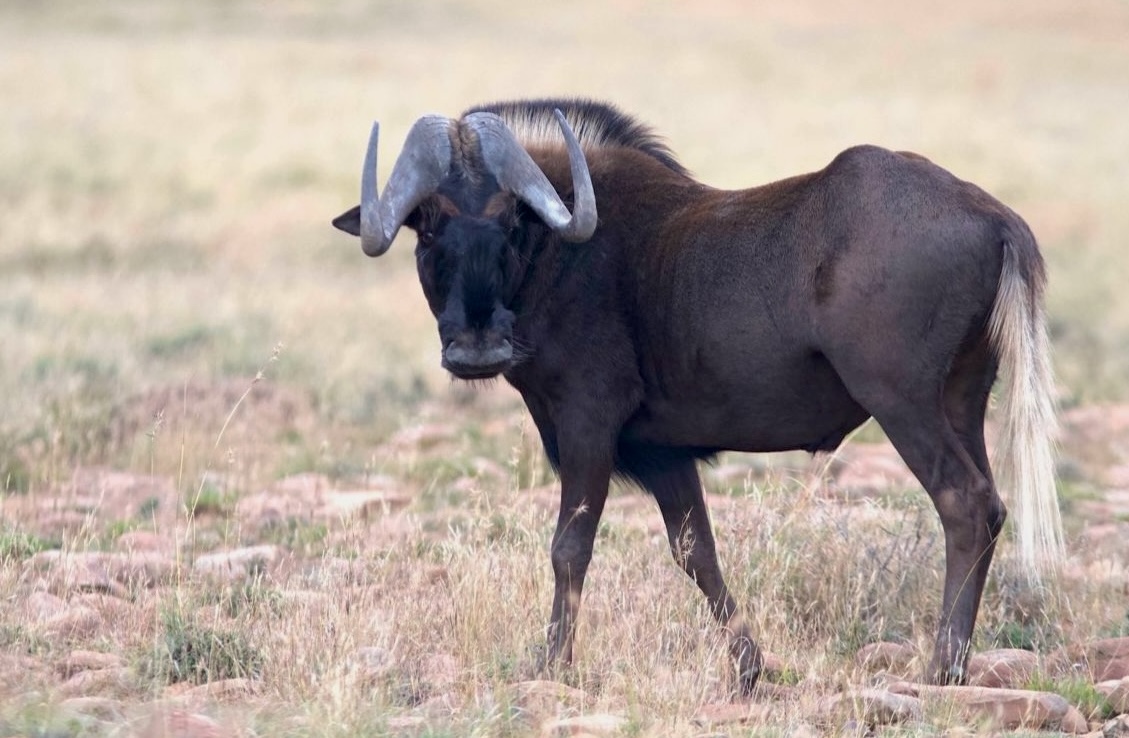
Photo by Stuart Pimm
As a case study, my colleagues and I examined Sub-Saharan wildlife; this region has experienced rapid human population growth, extensive land-use change, and strong pressures from globalisation. While some wildlife populations are indeed declining, many others are stable or even growing. In the LPI data, only the black rhino shows consistent declines, largely due to intense poaching. Other species show mixed or stable trends. Detailed case studies of savannah elephants and three zebra species demonstrate that population fluctuations often reflect counting errors rather than real collapses. For other species, such as the black wildebeest, conservation has rewilded large areas with them, bringing them back from the brink of extinction.
In parallel, the Planetary Boundary concept, promoted by Johan Rockstrom and his Stockholm Resilience Centre, argues that the biosphere has now transgressed a tipping point in “biodiversity integrity” (species losses and energy consumption) beyond which a long list of environmental harms will follow. The LPI and Planetary Boundary framework thus claim to be internally consistent and self-reinforcing. Putatively, biodiversity loss pushes us further beyond our (already exceeded) “safe operating space,” reducing ecosystem functioning and driving further population declines. (Parenthetically, long before Rockstrom’s claims, climate scientists had recognised tipping points due to physical processes such as the melting poles and drying Amazon.)
Overall, both ideas reflect an overuse of dramatic claims. They risk undermining public trust and detracting from the real, complex, and clear successes of conservation science. Instead of global collapse, the picture is a more nuanced reality: When threats are reduced and habitats are protected, species can and do recover. Catastrophism, based on weak global indicators, risks undermining conservation science, providing ammunition to critics while diverting attention from proven, on-the-ground solutions.
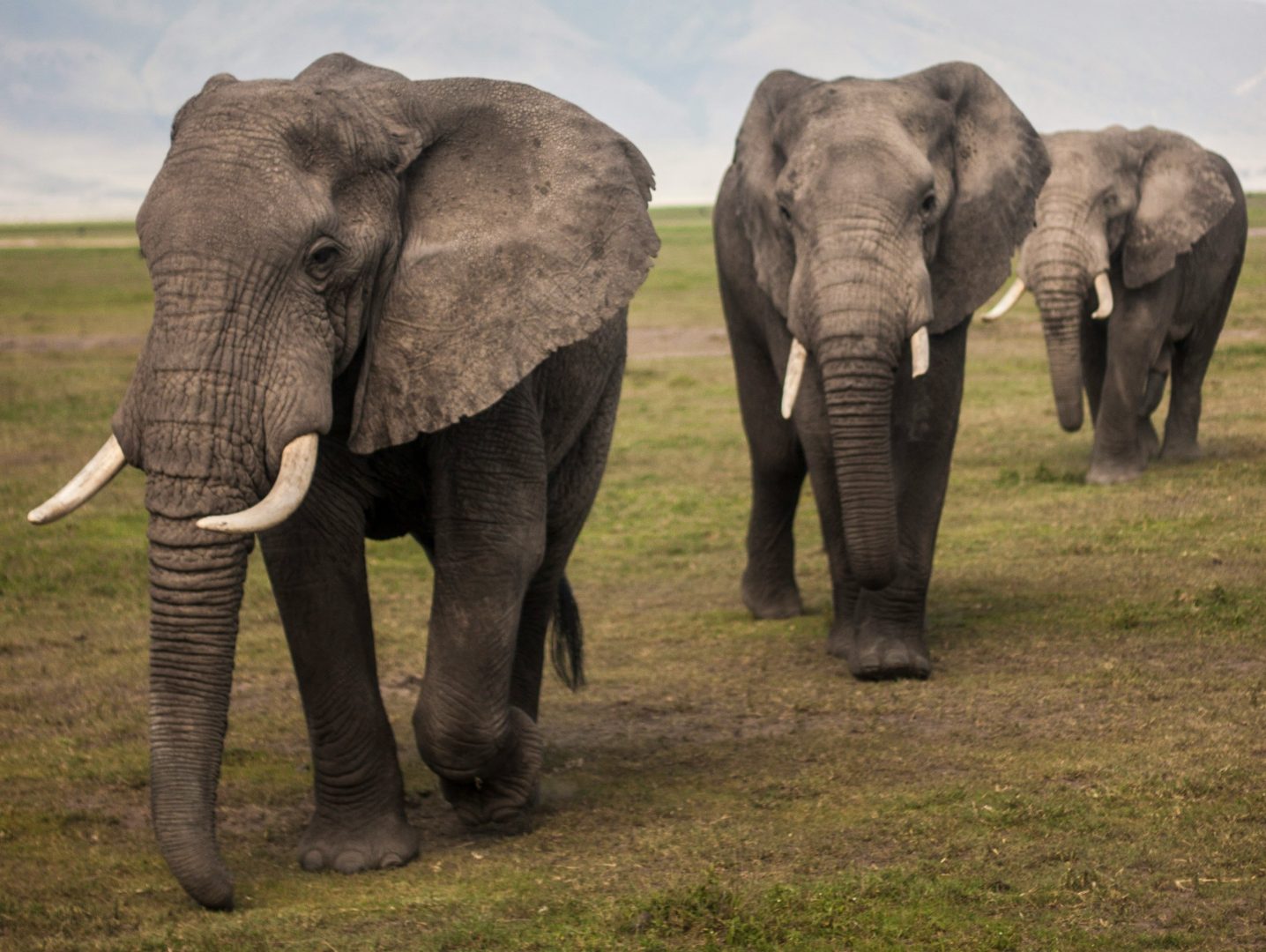
Photo by Matthew Spiteri / Unsplash
There’s a good news story to tell
Conservation has made demonstrable progress — preventing extinctions, reversing population declines, and expanding protected areas — but these successes are often lost in a public narrative dominated by claims of “planetary collapse” and tipping points. Protecting species works while continuing to exploit them spells doom. Let’s celebrate the former and demand greater focus on the latter.
Instead of a single global story of decline, it is more accurate to think of biodiversity as a patchwork of outcomes. Beyond just preventing extinction, conservation has also helped recover populations. Protected areas, removal of invasive species, species reintroductions, and targeted management strategies have all contributed to positive outcomes. A large share of conservation interventions either improve biodiversity or at least slow its decline. It’s not perfect, and not every project succeeds, but the overall trend is clearly positive.
Even within the same species, trends can differ by region. This variability makes it difficult to summarise biodiversity change with a single number or statistic, which is something our paper strongly criticises. For instance, our independent analyses show that elephant populations across southern Africa — an area roughly the size of the continental U.S. — have increased over the past 25 years. Indeed, in some areas to levels that now create management challenges, with many populations put on contraceptives and repeated appeals to cull large numbers. Certainly, they are still being poached in some parts of Africa and losing habitat to expanding human populations.
Taking a large perspective, the adage “you get what you pay for” applies to species conservation. Conservation spending has significantly reduced biodiversity decline on a global scale, as measured by the improvements in Red List status of birds and mammals from 1996 to 2008, and the reduction of biodiversity loss in 109 countries by a median average of 29 percent per country. For the oceans, 47 percent of 124 well-monitored populations of marine mammals are increasing, compared to 13 percent decreasing. Increases are more common for most of 299 populations of sea turtles. In contrast, most sharks and rays are in steep decline.
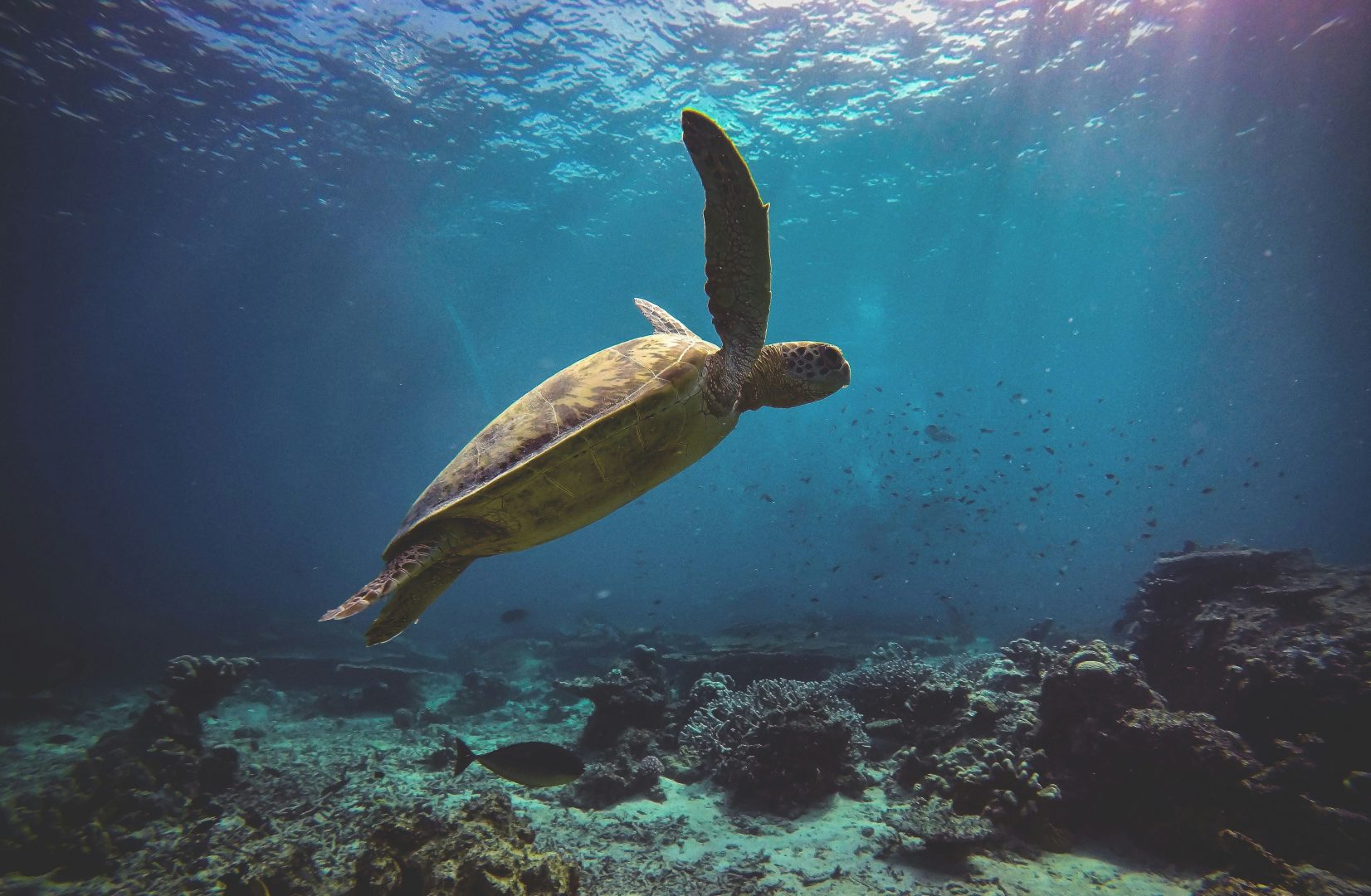
Photo by Jesse Schoff / Unsplash
Where do we go from here
On land and in the ocean, nations are protecting ever larger areas, recently reaching a target of 17 percent set in 2010. The new goal is 30 percent. Yes, most protected areas are where few people live, and the largest ones are where almost no one lives. Despite that, the many thousands of small protected areas are protecting the most threatened species — those with the smallest geographical ranges — far better than one would expect by chance.
And yet, four decades of conservation science show that small populations do not persist on their own. To save species across the fragmented landscapes we have left for them requires restoring habitat corridors. Conservation science explains why chickens cross roads — it’s to meet other chickens. The same applies to tigers in the rainforests of Sumatra, golden lion tamarins in Brazil, elephants in Africa, and olinguitos in the mountains of Colombia. It’s that science that underpins the organisation, Saving Nature, that I direct. We reconnect fragmented landscapes in biodiversity hotspots by planting habitat corridors.
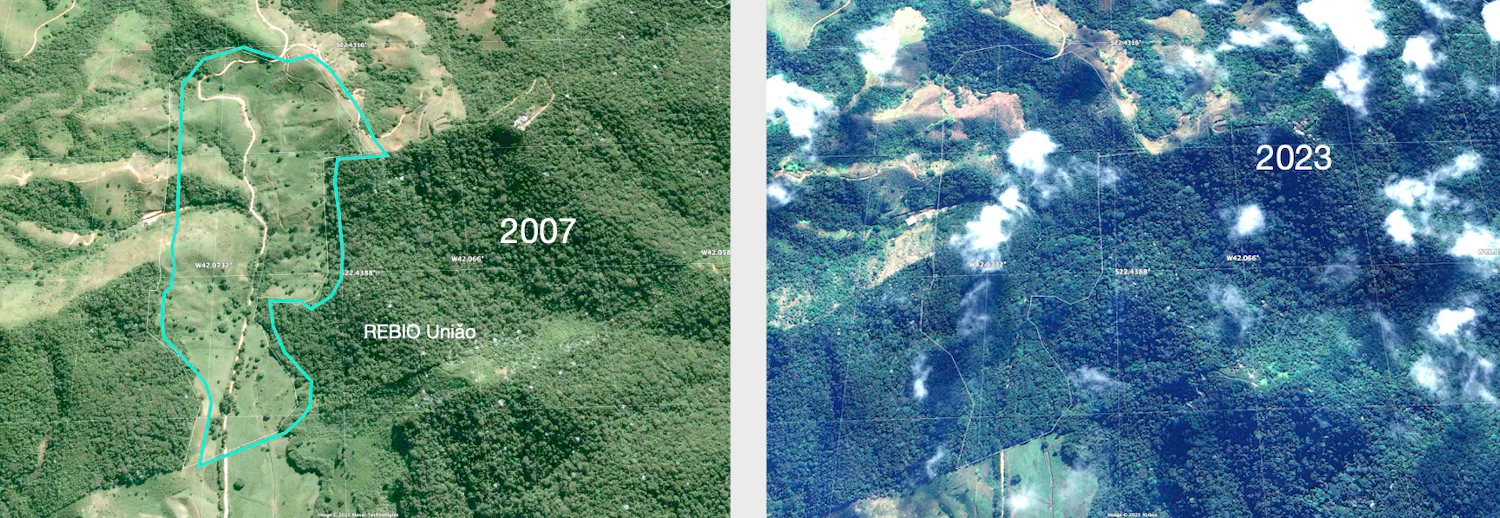
Golden lion tamarins were once isolated in Brazil’s União Biological Reserve; Saving Nature funded land purchase to restore a forested habitat corridor
Global conservation is big business, and plenty of good citizens, philanthropic groups, and private institutions pour money into the cause. But that’s all the more reason to make sure the right problems are being addressed and that facts do not take a backseat to emotions. Real problems — habitat loss, shrinking species ranges, and uneven management success — remain urgent. We must also recognise the conservation wins when species and habitats are renewed and saved. Effective conservation depends not on abstract global thresholds and single-value percentages summarising the state of the planet, but on learning from cases where management works and applying those lessons to species that are genuinely in need.
In recent papers, my colleagues and I argue that conservation needs better metrics — such as tracking changes in species’ conservation status, monitoring population sizes, and consistently measuring habitat loss and recovery. Without these data, it’s difficult to know what’s working, what isn’t, and where to invest resources.
Conservation is not a failure — it’s actually achieving real results. But those results are uneven, sometimes inefficient, and often poorly tracked. The biggest limitation isn’t a lack of tools or knowledge about what works; it’s a lack of clear goals, consistent measurement, and transparency.
So instead of framing biodiversity as a hopeless crisis, my colleagues and I suggest a more useful approach: focus on measurable outcomes, scale up proven strategies, fix gaps in data, and be honest about both successes and failures. Conservation works — but it needs to be sharper, more accountable, and more data-driven to actually meet global biodiversity goals.
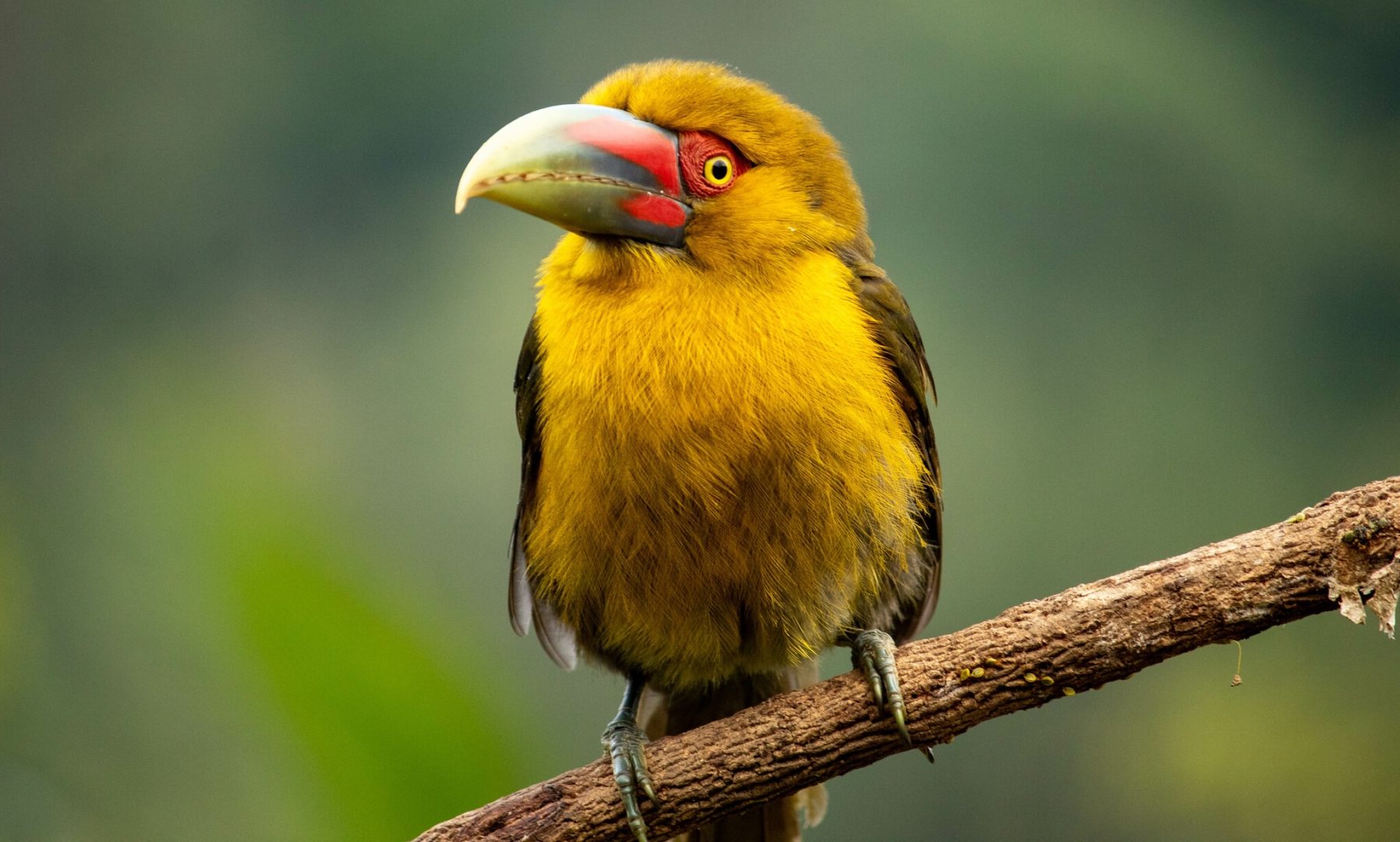
Photo by Arthur Bruck / CC0, Wikimedia Commons
Readings
Duarte, C.M., Agusti, S., Barbier, E. et al. Rebuilding marine life. Nature 580, 39-51 (2020). https://doi.org/10.1038/s41586-020-2146-7
Foreman, Dave. Rewilding North America: a vision for conservation in the 21st century. Princeton University Press, 2013.
Huang, R. M., Maré, C., Guldemond, R. A., Pimm, S. L., & Van Aarde, R. J. (2024). Protecting and connecting landscapes stabilizes populations of the endangered savannah elephant. Science Advances, 10(1), eadk2896.
Gittleman, J.L., Pimm, S.L., Van Rensburg, B.J., Van Houtan, K.S. and Roberts, C.M., 2026. Implementing the Kunming-Montreal Biodiversity Targets. Proceedings of the National Academy of Sciences, 123(2), p.e2514761123.
Pimm, Stuart L., Gareth J. Russell, John L. Gittleman, and Thomas M. Brooks. The future of biodiversity. Science 269, no. 5222 (1995): 347-350.
Pimm, S.L., van Rensburg, B.J., van Houtan, K.S., Roberts, C.M., Simberloff, D. and Gittleman, J.L., 2026. Conservation targets and how to achieve them. Proceedings of the Royal Society B: Biological Sciences, 293(2065).
Pimm, S.L., Davies, T.J. and Gittleman, J.L., 2026. Out of Africa comes no support for global biodiversity catastrophes. Science Advances, 12(9), p.eaee6950.

Dr. Stuart Pimm holds the Doris Duke Chair of Conservation at Duke University and is President of Saving Nature, a non-profit that funds organisations in the biodiversity hotspots to acquire and restore land. His international awards include the Dr A. H. Heineken Prize from the Royal Netherlands Academy of Arts and Sciences (2006), the Tyler Prize for Environmental Achievement (2010), the International Cosmos Prize (2019), and the World Sustainability Award (2025). Listen to Rewilding Earth Podcast Episode 31: Stuart Pimm Putting Conservation Back On The Offensive.